
A dream car is no longer defined by horsepower figures or brand prestige alone. The definition has expanded — and rightfully so. In today’s automotive market, a dream car is one that fits seamlessly into real life: one that handles a school run as confidently as it handles a weekend highway trip, that looks and feels genuinely premium without demanding a six-figure budget, and that brings a sense of personal identity every time you get behind the wheel.
The American market in 2026 is extraordinarily rich. Compact luxury SUVs have matured into genuinely world-class products. Hybrid and electric options have multiplied across every price tier. Safety technology that was once exclusive to flagship models is now standard equipment on mid-range crossovers. And the design language across the segment — from Audi’s restrained elegance to Genesis’s bold confidence — has reached a level of quality that makes almost every decision a genuinely interesting one.
This guide covers ten carefully selected vehicles across a range of budgets, body styles, and priorities. Each is examined in depth: specifications, features, interior quality, driving character, safety credentials, ownership costs, and an honest assessment of who each car suits best. The goal is to give buyers a genuinely complete picture — not a list of names with a paragraph each.
Pricing reflects manufacturer-listed MSRP and market transaction data as of May 2026. Specifications verified from official manufacturer documentation and cross-referenced with Edmunds, Kelley Blue Book, Car and Driver, MotorTrend, TrueCar, and U.S. News & World Report automotive assessments.
Safety ratings from NHTSA, IIHS, Euro NCAP, and RepairPal. Individual pricing varies by trim, market, and available incentives.
How to Choose the Right Dream Car: A Practical Framework
Before looking at specific models, a few questions help narrow the field considerably.
What does a typical week look like? Daily city driving favors compact, maneuverable vehicles with efficient powertrains. Regular highway commuting rewards comfort, cabin quietness, and adaptive cruise control. Mixed use — city during the week, longer weekend trips — suits mid-size crossovers with balanced capability.
How many passengers regularly? A compact two-row SUV is practical for one or two adults. Regular rear-seat passengers, especially children with car seats, benefit from wider rear doors, low sill heights, and generous legroom. Families who occasionally need third-row seating should look beyond this guide’s segment.
What matters more: driving engagement or effortless comfort? Some buyers want a car that is rewarding to drive — one with responsive steering, chassis feedback, and a sense of connection to the road. Others want a car that makes every journey feel effortless, insulating them from road imperfections and traffic stress. Both are valid priorities, and both lead to different choices.
Electric, hybrid, or combustion? Hybrid and plug-in hybrid options in 2026 have matured significantly. For buyers with regular commutes and home charging access, a plug-in hybrid or full electric can reduce running costs substantially. For buyers without reliable charging or who regularly drive long distances, a conventional or mild-hybrid powertrain remains the more practical choice.
Total cost of ownership: Purchase price is only one component. Insurance band, fuel costs, expected maintenance, tire replacement, and predicted resale value all factor into what a car actually costs over five years of ownership. Several of the models in this guide offer remarkably low five-year ownership costs relative to their sticker price.
What the Best Dream Cars Have in Common
Across the ten vehicles covered here, certain characteristics define the genuinely great ones:
Advanced standard safety: Automatic emergency braking, lane keeping assist, blind spot monitoring, and adaptive cruise control are no longer luxury extras — they are minimum expectations for any premium purchase in 2026.
Interior quality that holds up: Premium materials, thoughtful ergonomics, and a cabin that feels well-made after two years of daily use. The difference between a genuinely premium interior and one that merely looks premium in photographs becomes clear over time.
Powertrain honesty: The horsepower figures in the brochure matter less than how the engine behaves in everyday use. Smooth delivery from low rpm, composed highway cruising, and confident passing power are more valuable in daily life than peak output numbers.
Resale value: Models with strong brand equity and proven reliability — Toyota, Lexus, BMW, Genesis — tend to hold their value better, which reduces the true cost of ownership over a typical three-to-five-year ownership cycle.
The Ten Best Dream Cars in 2026
1. 2026 Toyota RAV4
Starting Price: $31,900 (LE hybrid FWD)
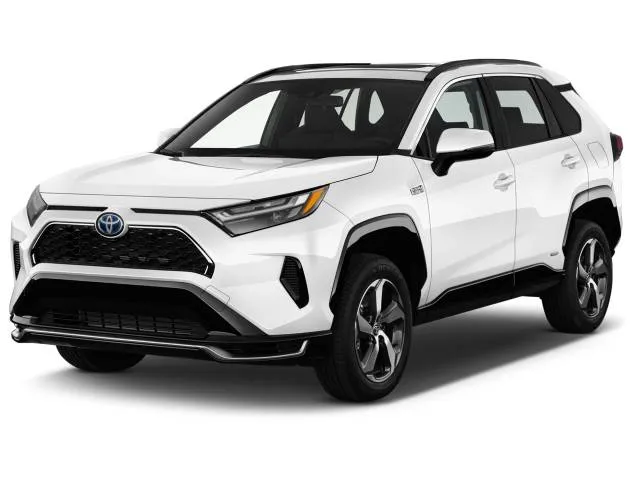
The 2026 Toyota RAV4 enters its sixth generation as a fundamentally different vehicle from its predecessor. Toyota has made the significant decision to drop conventional gasoline engines entirely — the 2026 RAV4 is offered exclusively with hybrid and plug-in hybrid powertrains. This is not merely a powertrain update; it is a statement of direction, and it has produced the most compelling RAV4 in the model’s history.
The 2026 RAV4 has been fully redesigned with a boxier exterior that improves road presence while preserving compact proportions and usable interior volume. Toyota differentiates trims through three distinct styling themes: core trims focus on clean and restrained design elements, the Woodland trim adds textured bumpers and functional roof rails, and sport-oriented trims feature mesh-style grilles and more aggressive front and rear fascias. The new GR Sport trim, developed with GAZOO Racing input, adds an athletic dimension that previous RAV4 generations never offered.
Specifications
- Engine: 2.5-liter 4-cylinder hybrid (standard) / 2.5-liter PHEV (plug-in hybrid)
- Horsepower: 226 hp (FWD hybrid) / 236 hp (AWD hybrid) / 324 hp (PHEV)
- Transmission: e-CVT
- Drivetrain: FWD standard / AWD optional ($1,400) / AWD standard on PHEV
- 0–60 mph: Approximately 7.2 seconds (standard hybrid AWD)
- Fuel economy: Approximately 37–38 mpg combined (hybrid) / 52 miles EV range (PHEV)
- Cargo space: Approximately 37.5 cubic feet behind rear seats
Essential Features
- 10.5-inch or 12.9-inch touchscreen (trim dependent)
- Wireless Apple CarPlay and Android Auto
- Toyota Safety Sense updated suite standard on all trims — automatic emergency braking, improved head-up display, advanced blind spot monitoring
- Adaptive cruise control with lane centering
- Available DC fast charging on PHEV Woodland and XSE trims
- Heated front seats (SE and above)
- Power liftgate (XLE Premium and above)
- Wireless device charging (XLE Premium and above)
- Available panoramic moonroof
- 7 trim levels: LE, SE, XLE Premium, Woodland, XSE, GR Sport, Limited
The redesigned interior brings updated SofTex seating and a slimmer touchscreen arrangement that improves both the aesthetic and the perceived quality of the cabin. The RAV4’s interior has never been its strongest suit against European luxury alternatives, but the sixth generation improves on material quality and layout thoughtfulness in meaningful ways.
Edmunds considers the XLE Premium the best value in the new RAV4 lineup, noting it comes with a power liftgate, synthetic leather upholstery, and a wireless phone charger at a reasonable price premium over the base LE.
The move to hybrid-only powertrains improves the RAV4’s daily driving character. Electric motor torque delivers smooth, confident acceleration from standstill — precisely the kind of response that makes urban and suburban driving pleasant. The AWD hybrid variant’s 236 horsepower provides assurance in most real-world driving scenarios.
Toyota’s updated Safety Sense suite on the 2026 RAV4 is comprehensive and well-calibrated. The improved head-up display keeps information visible without requiring eyes off the road, and the enhanced blind spot monitoring system covers more of the vehicle’s perimeter than the previous generation.
Toyota’s reliability record is among the strongest in the industry. The hybrid system adds complexity compared to a conventional powertrain but Toyota’s hybrid technology has accumulated millions of miles of real-world validation. Fuel savings compared to a conventional SUV are meaningful over a full ownership cycle. Pricing starts at $31,900 for the base LE FWD, with the most popular XSE AWD at $41,300.
Best For
Auto shoppers who want the confidence of owning the most thoroughly validated compact SUV in the US market, now with superior fuel economy and a genuinely updated design. The RAV4 hybrid suits commuters who want to reduce fuel costs without committing to a full electric vehicle, and the PHEV variant is particularly compelling for buyers with home charging access.
2. 2026 Mercedes-Benz GLC 300
Starting Price: $50,800 (GLC 300 RWD)
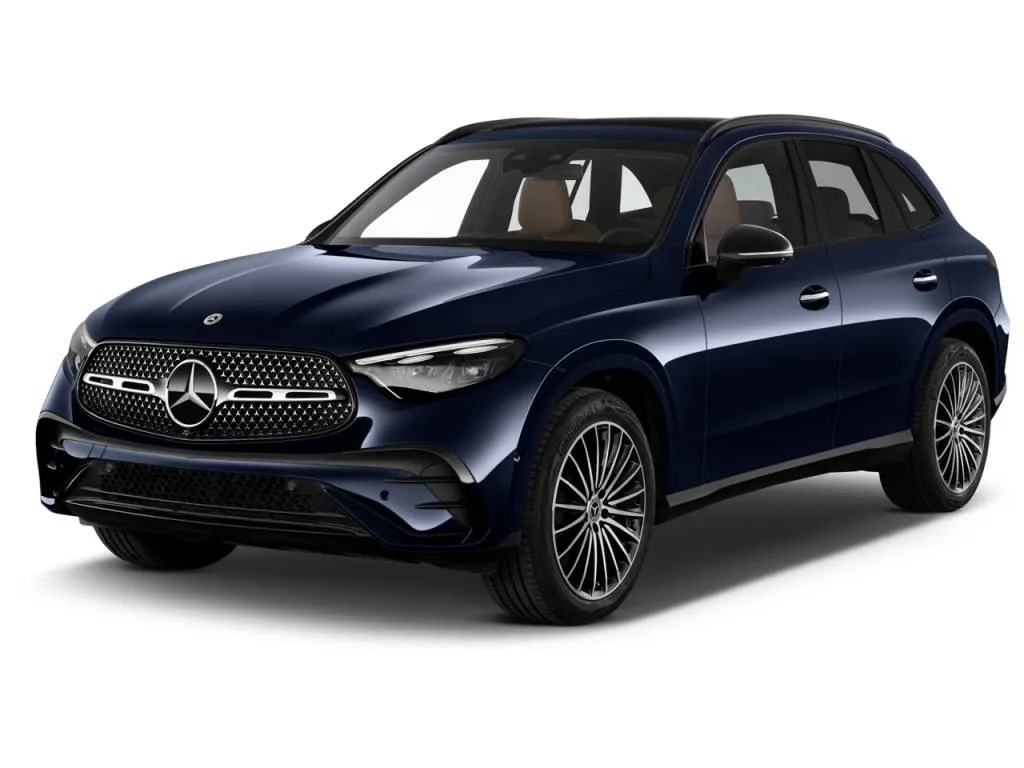
The Mercedes-Benz GLC-Class has defined the compact luxury SUV segment for a decade. The current generation, which continues largely unchanged for 2026 with some updated packages, represents the most complete version of the formula: a genuinely premium interior, a sophisticated ride quality, and a technology suite that places it at the forefront of the class.
The GLC’s exterior design is controlled and confident — the visual language of a German luxury brand that has earned the right to understate itself. Clean surfaces, precise shut lines, a distinctive LED lighting signature, and a proportioned silhouette that works equally well in urban settings and open highway. The GLC is available as both a traditional SUV and a GLC Coupe, which trades some cargo capacity and rear headroom for a more dramatic roofline.
Specifications
- Engine options: 2.0-liter turbo 4-cylinder (GLC 300) / 2.0-liter turbo + hybrid (GLC 350e PHEV) / 2.0-liter turbo AMG (GLC 43)
- Horsepower: 255 hp (GLC 300) / 313 hp (GLC 350e) / 416 hp (AMG GLC 43)
- Torque: 295 lb-ft (GLC 300)
- Transmission: 9-speed automatic
- Drivetrain: RWD standard / 4MATIC AWD available
- 0–60 mph: 5.9 seconds (GLC 300 4MATIC)
- Fuel economy: 26 city / 33 highway mpg (GLC 300 RWD)
- Cargo space: 56.3 cubic feet total / 20.9 cubic feet behind rear seats
Essential Features
- 11.9-inch MBUX touchscreen infotainment system
- Wireless Apple CarPlay and Android Auto
- MBUX digital assistant with natural language recognition
- Dual-zone automatic climate control
- Heated power front seats
- Blind spot monitoring — standard
- Driver attention assist — standard
- Surround view camera — standard
- Forward collision warning with automatic emergency braking — standard
- Available panoramic sunroof (new option package for 2026)
- Available Burmester premium audio system
- Available AMG performance packages
The GLC’s interior is among the strongest arguments for its purchase. The cabin features heated power seats, dual-zone climate control, and the latest MBUX infotainment system with an 11.9-inch touchscreen display. The material quality throughout — leather surfaces, soft-touch panels, polished metal accents — creates an environment that feels genuinely luxurious in daily use, not just on a dealer’s showroom floor.
One note consistent across expert reviews: too many desirable features are optional rather than standard, which means the delivered price of a well-equipped GLC frequently climbs above the base MSRP by a meaningful amount.
The GLC 300 delivers a smooth, composed ride that prioritizes comfort over sporty engagement. The 9-speed automatic is seamless, and the cabin insulation is exceptional — highway driving is notably quiet. For buyers who want more performance without stepping to the AMG GLC 43, the PHEV GLC 350e provides 313 horsepower and the ability to run on electric power for short distances.
The GLC carries a strong safety equipment list. Blind spot alert, collision warning system, driver attention assist monitor, and surround view camera are all standard. The MBUX system includes road sign recognition and active lane-change assist on higher trims.
Mercedes-Benz service costs are among the higher end of the premium segment. Extended warranty and service plans are worth factoring into total ownership budgeting. Residual values are strong for well-specified GLC models, which partially offsets the ownership cost premium.
Ideal Buyer
Purchasers who want the definitive luxury compact SUV experience — premium materials, advanced technology, and the brand credibility of a Mercedes-Benz three-pointed star. Best suited to buyers who value cabin refinement and ride quality above driving engagement.
3. 2026 BMW X3
Starting Price: $50,900 (30 xDrive)
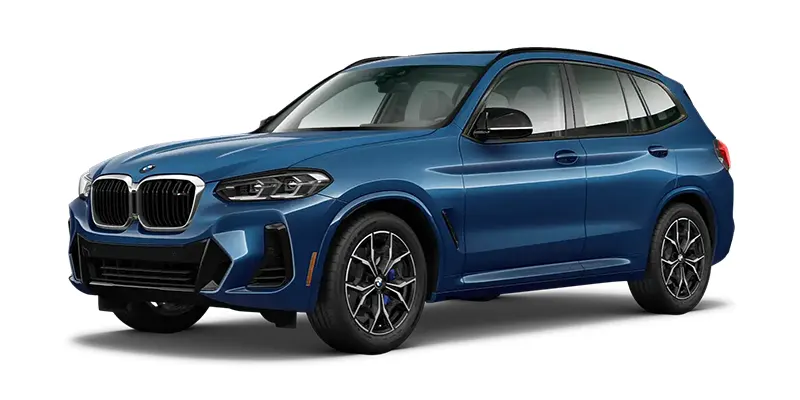
The fourth-generation BMW X3 arrived for 2025 and carries forward into 2026 as the most dynamically accomplished compact luxury SUV in the mainstream market. It is the choice for buyers who want an SUV that genuinely drives like a BMW — not just one that wears the badge.
The latest X3 generation features a more assertive design than its predecessor, with larger kidney grilles, sharper headlight graphics, and more sculpted body surfacing. The standard kidney-style grille that BMW is recognized for is distinctive, with sharp corners and a basket-weave mesh pattern, and bent LED ribbons distinguish the headlights. Available in two trim levels with meaningfully different visual characters, the xDrive30 reads as refined and premium while the M50 adds an overtly sporty dimension.
Specifications
- Engine options: 2.0-liter turbo 4-cylinder mild hybrid (30 xDrive) / 3.0-liter turbo inline-6 mild hybrid (M50 xDrive)
- Horsepower: 255 hp (30 xDrive) / 393 hp (M50 xDrive)
- Torque: 295 lb-ft (30 xDrive) / 428 lb-ft (M50)
- Transmission: 8-speed automatic
- Drivetrain: xDrive AWD — standard on both trims
- 0–60 mph: 6.0 seconds (30 xDrive) / 4.4 seconds (M50)
- Fuel economy: 29 mpg combined (30 xDrive) / 27 mpg combined (M50)
- Cargo space: 29.1 cubic feet behind rear seats
Essential Features
- 14.9-inch touchscreen with iDrive 9 operating system — standard
- 12.3-inch digital gauge cluster — standard
- Wireless Apple CarPlay and Android Auto — standard
- Wireless device charging — standard
- Navigation — standard
- 12-speaker audio system — standard
- Automatic emergency braking with pedestrian detection
- Lane departure warning
- Active cruise control with stop-and-go
- Available blind spot monitoring and rear cross-traffic alert
- Available parking assistant
- Available panoramic glass roof
- M50: adaptive suspension, M Sport brakes, sport exhaust
The X3 boasts a spacious interior with high-quality finishes and smart storage. The iDrive 9 system represents a meaningful improvement over earlier BMW infotainment — faster, more intuitive, and now supplemented with streaming and gaming features. Starting at $50,900, the X3 30 xDrive is equipped with a 14.9-inch touchscreen, 12.3-inch digital gauge cluster, navigation, wireless Apple CarPlay, wireless Android Auto, and a 12-speaker audio system as standard equipment. This is a notably comprehensive standard equipment list for the price.
It feels more potent than its specs suggest thanks to its sharper response, and handling is noticeably more agile compared to many small luxury SUVs — it’s very much a BMW, delivering more driving excitement and engagement in nearly any road condition.
The M50 variant takes this further. For enthusiasts, the M50 brings a turbocharged 3.0-liter inline-six with 393 horsepower and 428 lb-ft of torque, rockets to 60 mph in 4.2 seconds, and adds adaptive suspension, a sport exhaust, and a firmer ride.
The X3’s safety credentials are strong. Lane keeping, forward collision warning, and automatic emergency braking are standard. Edmunds notes the X3 offers solid value even when optional features such as adaptive cruise control and the surround-view camera system are added.
KBB Fair Purchase Pricing suggests paying $1,150 to $1,450 less than MSRP depending on trim and equipment. BMW maintenance costs are above-average for the segment; a prepaid maintenance plan is worth evaluating at purchase.
Right For
Motorists who want the most rewarding driving experience in the compact luxury SUV segment without sacrificing daily practicality. The 30 xDrive is the choice for most buyers; the M50 suits enthusiasts willing to pay for the inline-six performance upgrade.
4. 2026 Porsche Macan
Starting Price: $65,350 (base Macan)
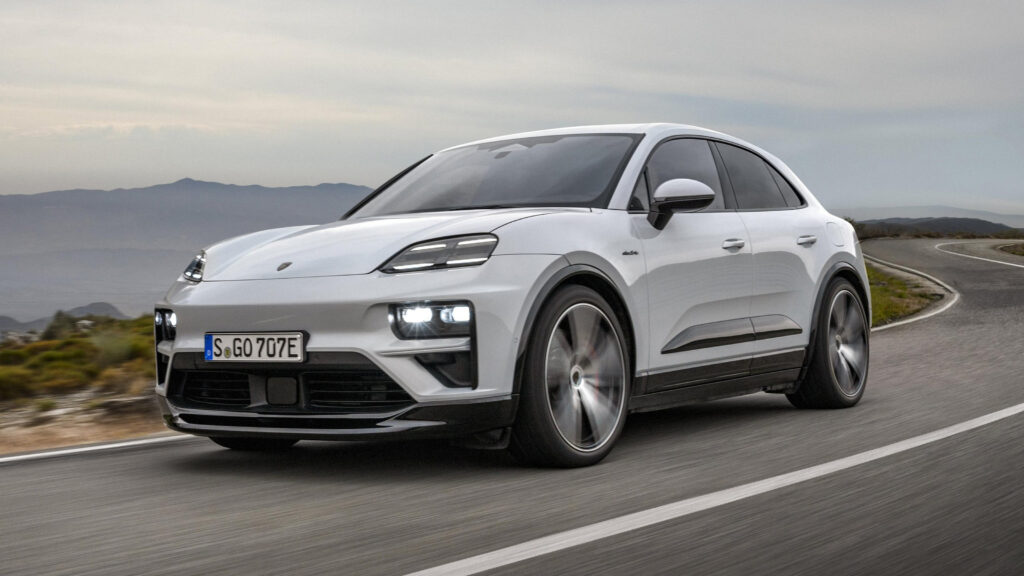
The Porsche Macan occupies a unique position in this guide. It is the most expensive model covered here, and it is also the most performance-focused. For buyers who consider driving dynamics a non-negotiable part of the dream car experience, nothing in the compact luxury SUV segment matches it.
The Macan’s design is athletic and purposeful. A low hood line, wide haunches, sculpted air intakes, and a roofline that slopes more aggressively than most SUVs create a silhouette that reads as a sports car wearing SUV clothing. The GTS trim’s sculpted proportions, lowered stance, aggressive front fascia, gloss-black exterior accents, and available 21-inch wheels signal performance intent at first glance. Available in bold colors including Carmine Red and Speed Yellow, the Macan is one of the few SUVs that genuinely turns heads.
Specifications
- Engine options: 2.0-liter turbo 4-cylinder (base / T) / 2.9-liter twin-turbo V6 (S / GTS)
- Horsepower: 261 hp (base) / 375 hp (S) / 434 hp (GTS)
- Torque: 295 lb-ft (base) / 406 lb-ft (GTS)
- Transmission: 7-speed PDK dual-clutch automated manual
- Drivetrain: AWD — standard on all trims
- 0–60 mph: 6.0 seconds (base) / 4.1 seconds (GTS)
- Fuel economy: 19 city / 25 highway mpg (base)
- Cargo space: 53.1 cubic feet total / 17.2 cubic feet behind rear seats
Essential Features
- Porsche Communication Management (PCM) infotainment
- Apple CarPlay and Android Auto
- Tri-zone automatic climate control — standard
- 8-way power-adjustable comfort front seats
- LED headlights — standard
- Adaptive cruise control
- Lane keeping assist
- Forward collision warning with automatic emergency braking
- Available Sport Chrono Package with launch control
- Available Bose Surround Sound system
- Available air suspension (PASM)
- Available 14-way adaptive sport seats
The Macan’s interior is driver-focused and premium throughout. Build quality is Porsche-level — fit and finish, material quality, and the tactile feel of switchgear are all at the top of the segment. The Sport Chrono stopwatch, the optional Sport Design steering wheel, and the available full leather interior create an environment with a performance character unusual in an SUV.
The honest limitation: the Macan is let down by its small rear seats and cargo area. At 17.2 cubic feet behind the rear seats, cargo capacity is the tightest of any model in this guide. Buyers who regularly carry passengers or significant cargo need to weigh this against the driving experience.
The Macan earns its reputation as the sports car of the compact SUV segment. The PDK transmission is faster and more responsive than any conventional automatic. The steering weight, body control, and chassis balance all communicate confidence and precision. The GTS, with its twin-turbocharged 2.9-liter V6 producing 434 horsepower and 406 lb-ft of torque propelling it from 0 to 60 mph in just 4.1 seconds, is genuinely fast by any measure.
All Macan models include forward collision warning, automatic emergency braking, lane keeping assist, and adaptive cruise control. The Porsche’s inherent chassis dynamics — excellent brake feel, precise steering, and stable body control — contribute to real-world safety in ways that a spec sheet cannot capture.
The 2026 Porsche Macan starts at $65,350, with the range-topping Macan GTS starting at $93,250. Porsche maintenance costs are among the highest in this segment; buyers should budget accordingly and explore prepaid service plans. Owners give the Macan a 4.7 out of 5 rating, and 93% recommend it — a satisfaction level that reflects the ownership experience of a vehicle that genuinely delivers on its promises.
Made For
Car Hunters for whom driving engagement is the primary criterion and who can accommodate the cargo limitations. The Macan is an aspirational choice in the fullest sense — a vehicle that delivers a Porsche experience at a price that, while significant, is considerably below the brand’s sports cars.
5. 2026 Audi Q5
Starting Price: $52,800 (Premium AWD)
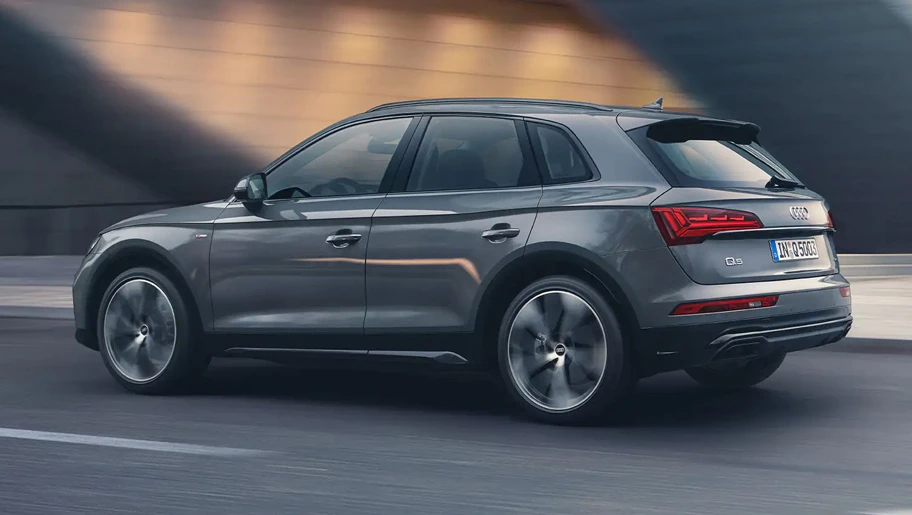
The third-generation Audi Q5, which debuted mid-2025 as a 2026 model, represents the most substantial improvement in the Q5’s history. It keeps the Q5’s familiar, understated visuals and tech-forward cabin, but it is roomier, better-equipped, more powerful, and more fun to drive than any previous Q5.
Audi’s design language is defined by precision and restraint. The new Q5 maintains this philosophy with clean surfaces, precisely placed creases, and a front end that is subtly more assertive than the model it replaces. The Singleframe grille sits lower and wider, flanked by slimmer LED matrix headlights on mid and higher trims. Soul Red is not available here — Audi’s palette runs to metallic greys, blues, and whites, with the Chronos Grey Metallic and Navarra Blue Metallic among the strongest color choices.
Specifications
- Engine: 2.0-liter turbocharged 4-cylinder with mild hybrid assist
- Horsepower: 268 hp — up 67 hp from the previous standard engine
- Torque: 295 lb-ft
- Transmission: 7-speed dual-clutch automatic
- Drivetrain: Quattro AWD — standard on all Q5 trims
- 0–60 mph: Approximately 5.9 seconds
- Fuel economy: ~25 mpg combined (official 2026 figures pending; based on prior model)
- Cargo space: 27.6 cubic feet behind rear seats / 56.9 cubic feet with seats folded
- Towing capacity: 4,400 lbs
Essential Features
- 14.5-inch touchscreen — standard
- 11.9-inch virtual instrument cluster — standard
- 10.9-inch passenger display — standard (new for this generation)
- Wireless Apple CarPlay and Android Auto
- Audi pre sense front collision warning and automatic emergency braking — standard
- Adaptive cruise assist with lane centering — Premium Plus and above
- Matrix LED headlights — Premium Plus and above
- Bang & Olufsen 3D premium sound system — Premium Plus and above
- Heated steering wheel — available via Convenience Package
- Surround view camera system — Premium Plus and above
- Available S line exterior package
- Available panoramic sunroof
The Q5’s interior is defined by quality and clarity. The standard base already includes the large curved display comprised of an 11.9-inch instrument cluster and 14.5-inch infotainment screen, a helpful digital assistant, and 18-inch wheels. The dual-screen curved display is a design statement in itself — large, well-integrated, and easier to read than the touch-only interface of its predecessor.
Material quality is consistent throughout the cabin. Stitched surfaces, aluminum accents, and the distinctive Audi build precision create a premium environment that holds up well over extended ownership. Rear passengers get up to 38 inches of legroom, which is competitive for the class.
The new 268-horsepower engine transforms the Q5’s dynamic character compared to its predecessor. There is only one Q5 engine now, a 268-horsepower turbocharged four-cylinder, which is 67 more than the old standard engine and 7 more than the old optional one, paired with an updated seven-speed dual-clutch automatic transmission. The result is an SUV that feels genuinely responsive in everyday driving without compromising the smooth, refined character that defines the Q5 experience.
Quattro AWD provides all-conditions confidence. The steering is well-weighted and precise, and the chassis maintains excellent composure on winding roads.
The 2026 Q5 lineup earned the Insurance Institute for Highway Safety’s highest honor, the Top Safety Pick+ award. This is the strongest safety credential of any model in this guide.
The least-expensive 2026 Audi Q5 including destination arrives at approximately $52,800. The mid-tier Premium Plus at $55,700 adds the most-wanted features — heated steering wheel, Bang & Olufsen audio, matrix LED headlights, and adaptive cruise with lane centering — and represents the strongest value point in the lineup.
Who Should Buy It
Auto Shoppers who want the most complete all-round package in the compact luxury SUV segment — refined driving dynamics, exceptional safety credentials, strong technology, and interior quality that rivals vehicles costing significantly more. The best choice for buyers who want to own one car that does everything well.
6. 2026 Cadillac XT5
Starting Price: $44,800 (Luxury FWD)
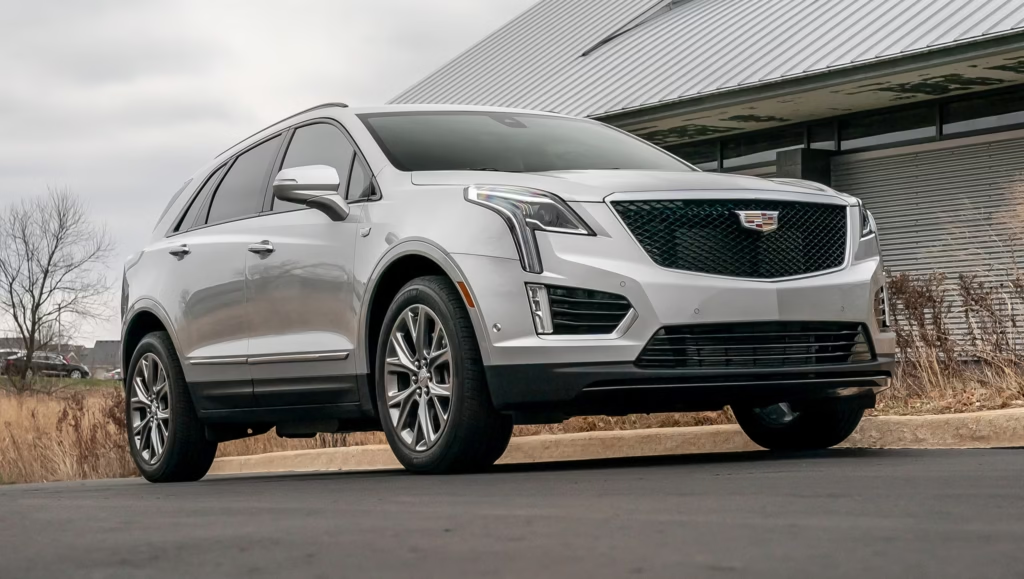
The Cadillac XT5 occupies an interesting position in 2026: it is preparing for replacement by an all-new model in 2027, yet in its current form it remains a strong luxury SUV choice. For 2026, the Premium Luxury and Sport trims gain several standard driver-assistance features, including surround-view cameras, a rearview camera mirror, and a head-up display. These additions improve an already capable vehicle.
The XT5’s design reflects Cadillac’s Art & Science design philosophy — angular, precise, and distinctly American in character. The vertical LED headlights, sharp body creases, and bold proportions create a vehicle that stands out from the rounded European luxury SUVs without being aggressive. Available in Crystal White Tricoat and Radiant Red Tintcoat as distinctive color choices, the XT5 has a presence that is unmistakably Cadillac.
Specifications
- Engine options: 2.0-liter turbocharged 4-cylinder / 3.6-liter V6
- Horsepower: 235 hp (2.0T) / 310 hp (3.6L V6)
- Torque: 258 lb-ft (2.0T) / 271 lb-ft (V6)
- Transmission: 9-speed automatic
- Drivetrain: FWD standard on Luxury / AWD optional ($2,000) / AWD standard on Sport
- 0–60 mph: Approximately 7.0 seconds (2.0T FWD) / 5.9 seconds (V6 AWD)
- Fuel economy: 22 city / 29 highway mpg (2.0T FWD)
- Cargo space: Approximately 30 cubic feet behind rear seats
Essential Features
- 8-inch infotainment (Luxury) / 33-inch advanced display (Sport trim)
- Wireless Apple CarPlay and Android Auto — standard all trims
- Wi-Fi hotspot — standard
- Heated front seats — standard all trims
- Dual-zone climate control — standard
- Keyless entry and push-button start — standard
- Forward collision warning with automatic emergency braking and pedestrian alert — standard
- Lane keeping assist — standard
- Driver attention monitoring — standard
- Automatic high beams — standard
- Vibrating safety alert seat — standard
- Head-up display — standard on Premium Luxury and Sport (new for 2026)
- Surround view camera — standard on Premium Luxury and Sport (new for 2026)
- Rearview camera mirror — standard on Premium Luxury and Sport (new for 2026)
- Available Bose premium audio
- Available cooled front seats
The XT5’s interior is spacious, comfortable, and reassuringly well-built. The 2026 XT5 offers ample legroom and headroom to accommodate drivers and passengers of all sizes. Heated front seats across all trims is a meaningful standard feature, and dual-zone climate control ensures both driver and passenger comfort on long journeys.
RepairPal gives the XT5 a reliability rating of 4.5 out of 5, ranking it number one out of 29 among luxury midsize SUVs — a remarkable distinction for a domestic luxury brand.
The XT5 prioritizes serenity. Its ride quality is among the most composed in the segment — bumps and road imperfections are absorbed with minimal intrusion, making it particularly well-suited to long highway journeys. The 2.0-liter turbocharged engine is adequate for everyday use; buyers who regularly need more confident performance should consider the V6 option or Sport trim.
Every XT5 leaves the factory with lane-keeping assist, driver attention monitoring, automatic high beams, parking sensors, automatic emergency braking with pedestrian alert, and a vibrating safety alert in the driver’s seat. The 2026 additions of surround-view cameras and head-up display on mid and upper trims strengthen the package considerably.
The XT5 is priced below most European luxury alternatives, and its reliability credentials reduce the risk of unexpected repair costs. The average price paid is approximately $45,320 based on recent transactions, with shoppers paying about 2.7% less than MSRP. Cadillac’s dealer network across the US provides broad service access.
Built For
Commuters who want genuine American luxury with strong reliability credentials and a serene driving experience at a price below equivalent European alternatives. The Premium Luxury trim with the optional V6 represents the strongest overall specification.
7. 2026 Genesis GV70
Starting Price: $48,985
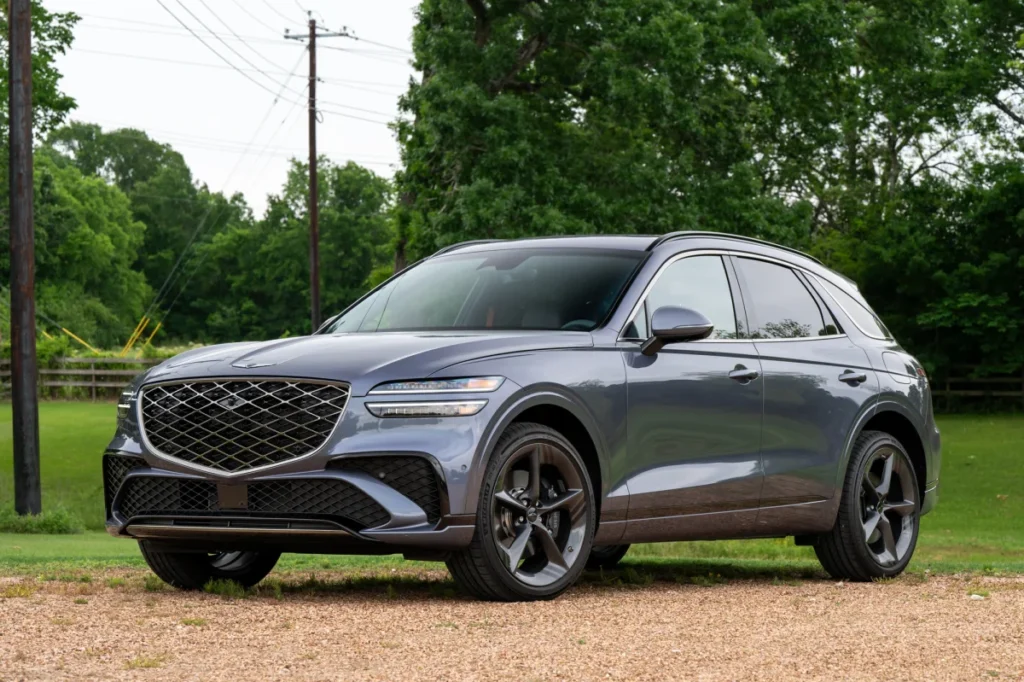
The Genesis GV70 is one of the most compelling value propositions in the premium SUV segment. It offers luxury content, technology, and performance that would cost significantly more from European alternatives, backed by the most generous warranty coverage in the class.
The 2026 GV70 returns with an updated look that makes a statement in any lot. Subtle tweaks to the headlights, grille, and bumper add visual drama, while fresh paint and wheels help it stand out. The GV70’s crest grille and parabolic line body sculpture — Genesis’s signature design elements — create a visual identity that is distinctive without being loud. The aggressively raked roofline defines the GV70’s silhouette and contributes to its appeal, though it does reduce rear headroom compared to boxier alternatives.
Specifications
- Engine options: 2.5-liter turbocharged inline-4 / 3.5-liter twin-turbo V6
- Horsepower: 300 hp (2.5T) / 375 hp (3.5T)
- Torque: 311 lb-ft (2.5T) / 391 lb-ft (3.5T)
- Transmission: 8-speed automatic
- Drivetrain: RWD standard (2.5T) / AWD standard (3.5T)
- 0–60 mph: 6.1 seconds (2.5T AWD) / 5.1 seconds (3.5T AWD)
- Fuel economy: 22 city / 28 highway mpg (2.5T RWD)
- Cargo space: 28.9 cubic feet behind rear seats / 56.9 cubic feet with seats folded
Essential Features
- 27-inch OLED panoramic display — available
- Apple CarPlay and Android Auto
- Lexicon 15-speaker premium audio — available
- Heated and ventilated front seats
- Navigation with over-the-air map updates
- Adaptive cruise control
- Lane keeping and lane change assist
- Blind spot collision warning
- Rear cross-traffic alert
- Automatic emergency braking with pedestrian detection
- Available head-up display
- Available remote smart parking assist
- Available 5-year Genesis at-home service (pickup and delivery for service)
- 10-year / 100,000-mile powertrain warranty
- 5-year / 60,000-mile basic warranty
Genesis elevates the experience inside with a stunning new glass display stretching across the dash and an updated console. The redesigned steering wheel and wireless charging platform are touches buyers notice every day. The cabin layout feels cohesive and premium. Seating is supportive and upscale, with optional ventilated Nappa chairs, suede rooflining, and contrast stitching.
The GV70 delivers a strong mix of power, comfort, and advanced tech. Its turbocharged four-cylinder engine hits 0–60 mph in 6 seconds, paired with a smooth eight-speed automatic transmission that stays calm during casual driving but performs aggressively when pushed. The 3.5T variant adds a meaningfully different performance character — the twin-turbo V6’s torque delivery is strong and smooth throughout the rev range.
Genesis equips the GV70 comprehensively. The standard safety suite covers automatic emergency braking, lane keeping assist, blind spot monitoring, rear cross-traffic alert, and adaptive cruise control — features that require option packages on several European competitors.
The GV70’s warranty coverage is the strongest in the segment. Like every Genesis, it is backed by a standout 10-year/100,000-mile powertrain warranty and 5-year/60,000-mile basic coverage. Genesis’s at-home service program — pickup and delivery for scheduled maintenance — eliminates the time cost of dealer visits.
Who Gets The Most From It
Car enthusiasts who want genuine luxury content and strong performance at a price below equivalent European alternatives, backed by the best warranty in the class. Particularly well-suited to buyers who prioritize long-term ownership value and want a car that continues to feel premium five years into ownership.
8. 2026 Lexus RX
Starting Price: $50,825 (RX 350 FWD)
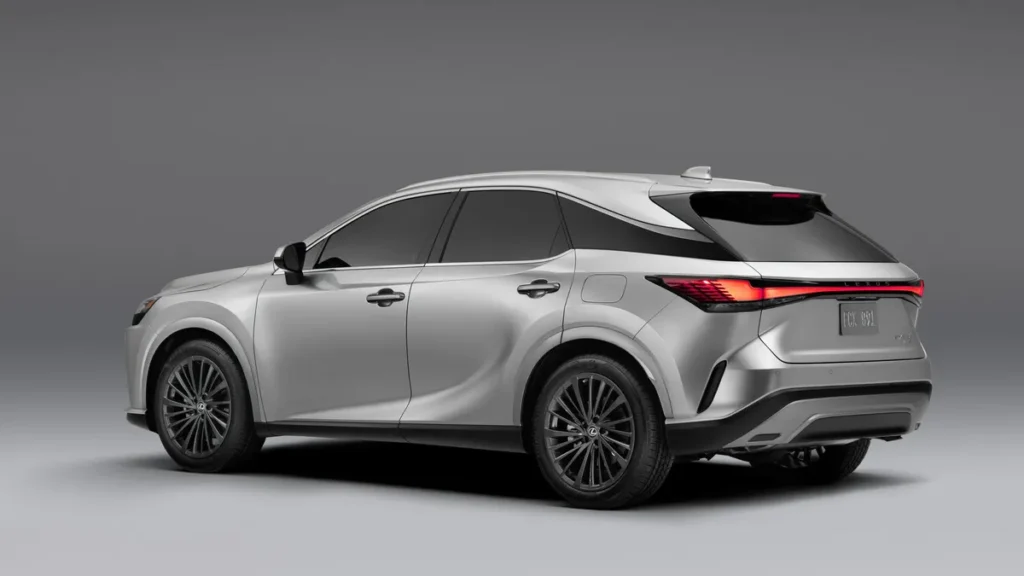
The Lexus RX has been the benchmark for refined, reliable luxury SUVs for over two decades. The current generation continues that tradition with a comprehensive hybrid lineup, exceptional build quality, and the kind of long-term reliability that makes it one of the lowest cost-to-own vehicles in its segment.
The current-generation RX is defined by Lexus’s spindle grille and sharp, angular design language — a more assertive direction than the traditional understated approach. The front end is distinctive and immediately recognizable. Available in colors including Matador Red and Cloudburst Gray, the RX has a visual confidence that suits its position as a segment leader.
Specifications
- Engine options: 2.4-liter turbo 4-cylinder (RX 350) / 2.5-liter hybrid (RX 350h) / 2.4-liter turbo hybrid (RX 500h F Sport) / PHEV (RX 450h+)
- Horsepower: 275 hp (RX 350) / 246 hp system (RX 350h) / 367 hp (RX 500h) / 304 hp (RX 450h+)
- Transmission: 8-speed automatic (RX 350 / 500h) / e-CVT (hybrid models)
- Drivetrain: FWD or AWD (350) / AWD standard (350h, 500h, 450h+)
- 0–60 mph: Approximately 7.0 seconds (RX 350h)
- Fuel economy: 37 city / 34 highway mpg (RX 350h AWD) / 22 city / 29 highway mpg (RX 350 FWD)
- Cargo space: 29.6 cubic feet behind rear seats
Essential Features
- Lexus Safety System+ 3.0 — standard on all trims, including:
- Automatic emergency braking
- Lane tracing assist
- Road sign recognition
- All-speed adaptive cruise control
- Automatic high beams
- 9.8-inch or 14-inch touchscreen (trim dependent)
- Wireless Apple CarPlay and Android Auto
- Wireless phone charging — standard all 2026 trims (new addition)
- Heated front seats
- Blind spot monitoring with rear cross-traffic alert
- Available Mark Levinson 21-speaker premium audio
- Available head-up display
- Available panoramic roof
- Available F SPORT Handling and F SPORT Performance trim packages
- 7 grade levels: Standard, Premium, Premium+, Luxury, F SPORT Handling, F SPORT Performance, F SPORT Design
The RX’s interior is defined by exceptional material quality and cabin quietness. The Lexus RX delivers a silky, quiet ride with upscale materials everywhere. Road and wind noise isolation is among the best in the class — a quality that becomes increasingly valuable on long journeys. The seat quality, surface finishes, and overall assembly precision reflect Lexus’s manufacturing standards, which consistently rank among the industry’s highest.
Wireless phone charging is now standard across all 2026 RX models — a thoughtful addition that improves daily usability across the entire range.
The RX 350h hybrid is the recommended variant for most buyers. Its electric motor delivers smooth, linear power delivery that makes urban driving effortless, while the overall fuel economy of 36–37 mpg combined represents a meaningful reduction in running costs. The RX 500h F Sport Performance adds a turbocharged hybrid system for buyers who want a more spirited driving character.
Lexus Safety System+ 3.0 bundles automatic emergency braking, lane-tracing assistance, road sign recognition, all-speed adaptive cruise control, and more as standard equipment on every RX. The RX earned IIHS Top Safety Pick recognition in prior model years.
The 2026 Lexus RX previously earned the Kelley Blue Book Lowest 5-Year Cost to Own award in its class. Toyota-Lexus reliability credentials, combined with strong residual values and lower-than-average service costs for the premium segment, make the RX one of the most economical luxury SUVs to own over time.
The Right Buyer
Car Seekers who prioritize long-term reliability, fuel efficiency, and a genuinely refined daily experience over driving excitement. The RX 350h is the recommended variant — its hybrid system delivers the best combination of efficiency, running cost, and driving refinement.
9. 2026 Mazda CX-30
Starting Price: $26,820
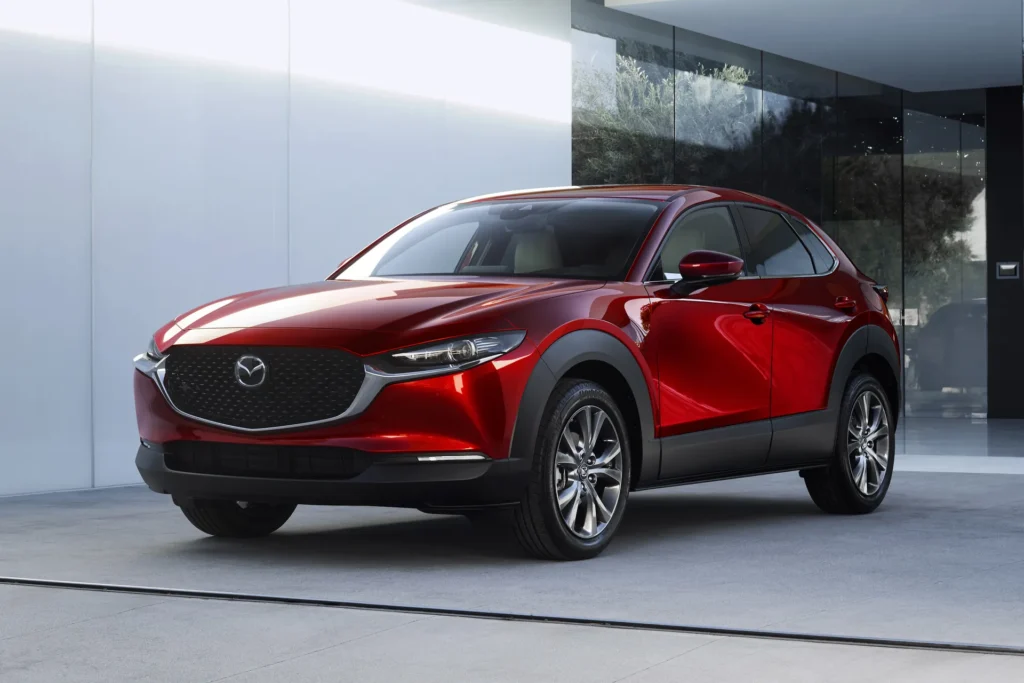
The Mazda CX-30 demonstrates that the price gap between mainstream and premium does not need to be as wide as it once was. Its interior quality, design execution, and driving dynamics all consistently compare favorably with compact luxury SUVs that cost significantly more.
Mazda’s Kodo design language is built around the study of how light moves across a car’s surface. The CX-30’s body features long, sculpted panels that catch and reflect light differently depending on the angle and time of day — a quality that photographs poorly but impresses consistently in person. Soul Red Crystal and Polymetal Grey are the signature finishes, multi-layer metallic paints with a depth that mainstream competitors rarely match at this price.
Specifications
- Engine options: 2.5-liter 4-cylinder naturally aspirated / 2.5-liter turbocharged 4-cylinder
- Horsepower: 186 hp (standard) / 227 hp (turbo, premium fuel) / 250 hp (turbo, premium fuel)
- Torque: 186 lb-ft (standard) / 310 lb-ft (turbo)
- Transmission: 6-speed automatic
- Drivetrain: FWD or AWD (standard) / AWD standard (turbo)
- 0–60 mph: 7.3 seconds (standard FWD) / 5.8 seconds (turbo AWD)
- Fuel economy: 25 city / 33 highway mpg (standard FWD)
- Cargo space: 20.2 cubic feet behind rear seats
Essential Features
- 8.8-inch center display with rotary controller
- Wireless Apple CarPlay and Android Auto (higher trims)
- Mazda Radar Cruise Control — standard on all trims
- Lane keeping assist with lane centering
- Blind spot monitoring
- Rear cross-traffic alert
- Automatic emergency braking with pedestrian, cyclist, and motorcycle detection
- Heated front seats
- Available Bose 12-speaker audio system
- Available head-up display
- Available leather seating surfaces
- Available panoramic moonroof
- i-Activsense safety suite standard across all trims
The CX-30’s interior is the most persuasive argument for its purchase. Material quality, tactile feel, and the overall sense of design care exceed what the price suggests. Soft-touch surfaces appear in areas that mainstream compact crossovers cover in hard plastic. The rotary controller-based infotainment avoids the screen-reach ergonomic issues of purely touchscreen systems. The instrument cluster is clear and well-designed.
Rear headroom is slightly constrained for taller passengers due to the sloping roofline — a design compromise made for visual elegance that is worth acknowledging for buyers who regularly carry tall rear-seat passengers.
The CX-30 drives with a precision and composure unusual for its segment and price. Mazda’s human-centered engineering philosophy produces cars that feel connected to the driver — the steering is well-weighted, body control is composed through corners, and the overall balance inspires confidence. The turbocharged variant’s 310 lb-ft of torque transforms the dynamic character for buyers who want a more energetic driving experience.
The CX-30’s safety suite is comprehensive and standard across all trims — not relegated to higher packages. The i-Activsense system’s pedestrian, cyclist, and motorcycle detection is among the more complete implementations in the mainstream segment.
At its price point, the CX-30 offers exceptional value. Mazda’s service costs are competitive, reliability is consistently strong, and residual values have improved as the brand’s premium positioning has been recognized by the broader market.
Perfect Match
Owners who want the closest approximation of a luxury compact SUV experience without the luxury SUV price tag. The CX-30 is particularly strong for buyers who value interior quality, driving engagement, and design over brand prestige or maximum cargo space.
10. 2026 Mini Cooper Hardtop
Starting Price: $25,300
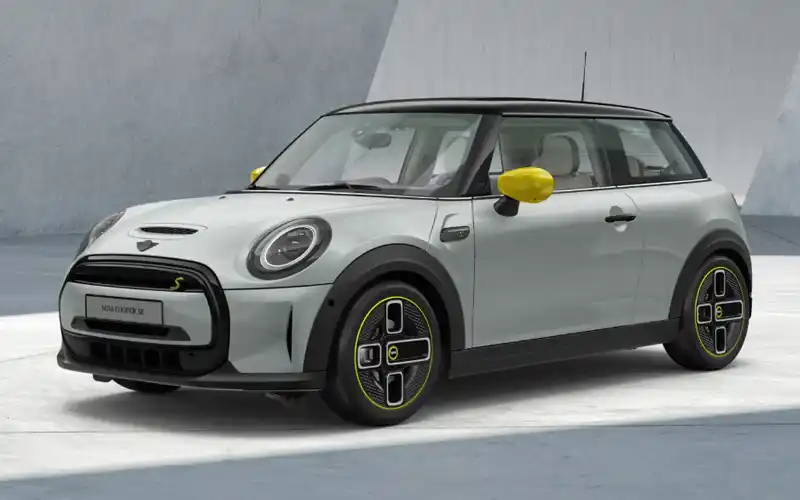
The Mini Cooper brings a different kind of dream car appeal to this guide. It is not the most practical option. It is not the safest option. It is not the most spacious option. It is, however, one of the most genuinely distinctive and enjoyable cars available at any price, and for the right buyer, that matters most.
The fourth-generation Cooper — new for 2024 and continuing through 2026 — refines the proportions that have defined the brand since BMW’s revival in 2001. Circular LED headlights, a confident octagonal grille, minimal body lines, and a range of color and personalization options that have no equivalent in the mainstream market create a car that feels genuinely personal.
Two-tone roofs, contrasting mirror caps, colored bonnet stripes, and interior accent options allow buyers to configure a Cooper that reflects their specific taste. The configurator depth is exceptional for the price.
Specifications
- Engine options: 1.5-liter 3-cylinder turbo (Cooper) / 2.0-liter 4-cylinder turbo (Cooper S)
- Horsepower: 134 hp (Cooper) / 189 hp (Cooper S)
- Torque: 162 lb-ft (Cooper) / 207 lb-ft (Cooper S)
- Transmission: 7-speed dual-clutch automatic
- Drivetrain: Front-wheel drive
- 0–60 mph: 7.3 seconds (Cooper) / 6.3 seconds (Cooper S)
- Fuel economy: 29 city / 38 highway mpg (Cooper)
- Cargo space: 8.7 cubic feet
Essential Features
- 9.4-inch circular OLED touchscreen with Mini Operating System 9
- Wireless Apple CarPlay and Android Auto
- LED headlights and taillights — standard
- Dual-zone climate control
- Heated front seats
- Reversing camera
- Forward collision warning with automatic emergency braking
- Lane departure warning
- Experience Modes: Core, Go-Kart, Green, Vivid (adjusting powertrain, lighting, sound)
- Available panoramic glass roof
- Available ambient lighting with multiple color options
- Available Harman Kardon premium audio
The fourth-generation Cooper’s interior is a significant upgrade. The large circular OLED display dominates the dashboard as a design statement that simultaneously echoes the original’s instrument cluster and serves a genuinely modern function. Material quality has improved meaningfully — soft-touch surfaces appear where earlier generations used hard plastics, and the ambient lighting system creates a cabin atmosphere that is genuinely distinctive.
Rear seat space remains the Cooper’s acknowledged limitation. The two-door configuration and compact dimensions mean rear access and rear legroom are secondary considerations.
The Cooper drives with a directness and precision that no other car at this price delivers. The steering is communicative, body roll is controlled, and the car responds to inputs with a sharpness that makes even routine journeys feel engaging. The Cooper S adds a distinct exhaust note and a meaningfully more energetic performance character.
Forward collision warning, automatic emergency braking, and lane departure warning are standard. The Cooper’s compact dimensions and good outward visibility contribute to real-world safety awareness. It earned a 4-star Euro NCAP rating under the current assessment.
Mini service costs are above the mainstream average — a premium brand that carries premium maintenance pricing. Extended service plans are worth evaluating at purchase. The Cooper’s strong residual values partially offset the higher running costs.
Who It Suits
Drivers who prioritize personal expression, driving engagement, and visual distinctiveness above practicality. Best suited to urban and suburban use by buyers who do not regularly carry rear-seat passengers. The Mini Cooper is for buyers who want their car to reflect their personality as much as serve their transportation needs.
Complete Comparison Table
| Model | Starting MSRP | Key Engine | HP | Cargo (Behind Rear) | Fuel Economy | Safety Highlight |
| Toyota RAV4 | $31,900 | 2.5L Hybrid | 226–324 | ~37.5 cu ft | 37–38 mpg (hybrid) | Toyota Safety Sense — standard all trims |
| Mercedes-Benz GLC 300 | $50,800 | 2.0L Turbo | 255 | 20.9 cu ft | 27 mpg combined | MBUX surround view — standard |
| BMW X3 | $50,900 | 2.0L Turbo mild hybrid | 255–393 | 29.1 cu ft | 29 mpg combined | Full driver assist standard |
| Porsche Macan | $65,350 | 2.0L Turbo | 261–434 | 17.2 cu ft | 21 mpg combined | Best chassis dynamics in segment |
| Audi Q5 | $52,800 | 2.0L Turbo mild hybrid | 268 | 27.6 cu ft | ~25 mpg combined | IIHS Top Safety Pick+ |
| Cadillac XT5 | $44,800 | 2.0L Turbo | 235–310 | ~30 cu ft | 24 mpg combined | #1 reliability — RepairPal |
| Genesis GV70 | $48,985 | 2.5L Turbo | 300–375 | 28.9 cu ft | 22/28 mpg | 10-yr/100k powertrain warranty |
| Lexus RX | $50,825 | 2.4L Turbo / 2.5L Hybrid | 246–367 | 29.6 cu ft | 36–37 mpg (350h) | Lowest 5-year cost to own |
| Mazda CX-30 | $26,820 | 2.5L / 2.5T | 186–227 | 20.2 cu ft | 25/33 mpg | Full safety suite — standard all trims |
| Mini Cooper | $25,300 | 1.5L / 2.0L Turbo | 134–189 | 8.7 cu ft | 29/38 mpg | Unique character — unmatched at price |
Safety Ratings Summary
Safety credentials vary meaningfully across this guide and deserve careful attention:
- Audi Q5: IIHS Top Safety Pick+ — the strongest rating in this guide
- Toyota RAV4: Strong Toyota Safety Sense standard suite; IIHS ratings pending for 2026 redesign
- Lexus RX: IIHS Top Safety Pick (2024); updated 2025 results lower due to revised testing methodology
- BMW X3: Strong across NHTSA and IIHS categories
- Mercedes-Benz GLC: Comprehensive standard safety equipment; IIHS scores Good in primary tests
- Genesis GV70: Full standard safety suite; strong IIHS performance
- Mazda CX-30: Consistent strong IIHS results; full safety suite standard
- Porsche Macan: Strong chassis-based real-world safety; comprehensive standard driver assist
- Cadillac XT5: RepairPal reliability #1 in class; standard comprehensive safety suite
- Mini Cooper: 4-star Euro NCAP; appropriate for urban use
Ownership Cost Comparison
Total cost of ownership over five years varies substantially across this guide. Three models stand out for long-term value:
Lexus RX has earned KBB’s Lowest 5-Year Cost to Own award in its class, driven by strong reliability, low maintenance frequency, and strong resale value. Its hybrid variants add fuel economy savings that compound over a full ownership cycle.
Toyota RAV4 similarly benefits from Toyota’s reliability reputation and the hybrid system’s proven durability. The transition to hybrid-only for 2026 means improved fuel economy across the entire range.
Genesis GV70 provides the strongest warranty coverage in the segment, which meaningfully reduces the financial risk of unexpected repairs. The at-home service program also eliminates time cost from the ownership experience.
European luxury models — BMW, Mercedes, Audi — carry higher maintenance costs but offer strong residual values that partially offset service expenses. Porsche Macan ownership costs are highest in this guide, but satisfaction rates among owners are correspondingly strong.
Choosing by Priority
Maximum reliability and long-term value: Toyota RAV4 or Lexus RX. Both have decades of proven reliability records and the lowest probability of unexpected repair costs.
Best driving dynamics: Porsche Macan — by a meaningful margin. BMW X3 is second if the Macan’s price or cargo limitations are concerns.
Best safety credentials: Audi Q5 (IIHS Top Safety Pick+), followed closely by the Lexus RX and Mazda CX-30.
Best value for money in luxury: Genesis GV70 — more standard content, stronger warranty, and competitive performance at a price below European alternatives.
Most distinctive character: Mini Cooper, and it is not close.
Best fuel economy: Toyota RAV4 hybrid (37–38 mpg combined) or Lexus RX 350h (36 mpg combined).
Most refined daily experience: Lexus RX or Mercedes-Benz GLC. Both prioritize cabin quietness and ride comfort above everything else.
Best interior quality relative to price: Mazda CX-30 — consistently punches above its price category.
Final Thoughts
The dream car in 2026 is whatever genuinely fits the life it is asked to support. For some buyers, that is the emotional satisfaction of a Porsche Macan on a mountain road on a clear morning. For others, it is the quiet competence of a Lexus RX hybrid delivering 37 miles per gallon on a daily commute with three passengers. For others still, it is the personality of a Mini Cooper in a color no other car on the road is wearing.
The models in this guide represent the best of their respective categories — well-researched, properly specified, and honestly assessed. Whichever direction a buyer chooses, the decision deserves the same care as the vehicles themselves were designed with.