A colleague returning from a business trip to Shanghai couldn’t stop talking about the taxi that took her from the airport. Halfway through the ride, the driver mentioned the second row could spin around to face backward, turning the cabin into something closer to a small lounge than a car.
That story sums up where cabin design is heading in 2026. Swivel seats used to mean a novelty feature in a 1960s Chrysler or an aftermarket mobility conversion. Today, rotating seats show up in flagship electric MPVs, luxury SUVs, and even one factory-built minivan sold right here in the United States.
This guide covers nine vehicles built around genuine swivel-seat hardware, what each one actually offers, and why American regulations keep most of these clever cabins on the other side of the ocean.
Why Swivel Seats Are Making A Genuine Comeback
Flat battery floors in electric vehicles removed the transmission hump that used to block a seat from rotating freely. That single engineering shift opened the door for designers to rethink cabin layouts entirely.
Chinese automakers pushed this trend furthest first, treating the second row less like transportation and more like a mobile living room for business meetings or family downtime.
Federal Motor Vehicle Safety Standards in the United States require rear seats to face forward during a crash test, which explains why so many swivel-equipped imports never reach American showrooms.
Mobility and accessibility needs kept a narrower version of swivel technology alive domestically for decades, well before the current wave of luxury lounge-style seating arrived from overseas.
The Regulatory Wall Facing American Shoppers
Crash testing protocols in the US assume occupants remain forward-facing throughout a collision, and a seat that rotates 180 degrees complicates every calculation engineers rely on for airbag timing and seatbelt geometry.
Automakers like Hyundai and Kia have openly confirmed their swivel-equipped models get simplified for American buyers, swapping rotating captain’s chairs for fixed versions that meet existing federal standards.
Some engineers believe purpose-built swivel mechanisms could eventually pass US crash testing with reinforced locking systems, similar to how child seat anchors evolved over the past two decades.
Until that happens, American buyers curious about rotating seats are mostly limited to accessibility-focused conversions rather than the lounge-style luxury seen in global markets.
The 9 Best Cars With Swivel Seats In 2026
1. Zeekr Mix
Built on the same SEA-M platform underpinning Waymo’s self-driving prototypes, the Mix introduces what Zeekr calls the industry’s first mass-produced electric swivel seat in the front row.
The front seats rotate steplessly through 270 degrees, and seat rails stretching nearly two meters allow the front row to slide up to 800mm and the rear row up to 490mm.
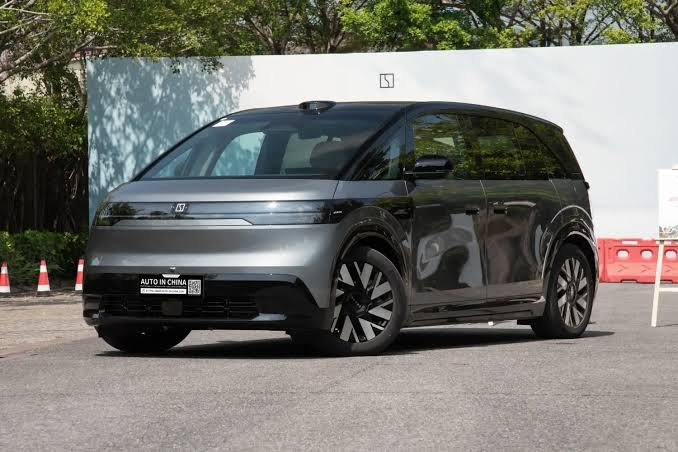
A single rear motor produces 422 horsepower, and dual sliding doors combined with a removed B-pillar create a 1.48-meter-wide entrance for easy access to the rotating seats.
| Spec | Detail |
| Seating | 5-seat MPV/crossover |
| Swivel Range | 270 degrees, front row |
| Motor Output | 422 hp, rear-wheel drive |
| Starting Price | $39,278 (279,900 CNY) |
The Mix isn’t sold in the United States, but its seat-rail engineering hints at where mainstream cabin design may eventually head once regulations catch up.
2. Zeekr 009: Best Second-Row Executive Lounge
Zeekr’s flagship electric MPV received a meaningful update for 2026, adding second-row captain’s chairs that swivel 45, 90, or 180 degrees depending on the chosen mode.
The base Ultra trim runs on an 800V architecture with a single front motor producing 416 horsepower, while the range-topping Ultra+ variant pushes output past 900 horsepower combined.
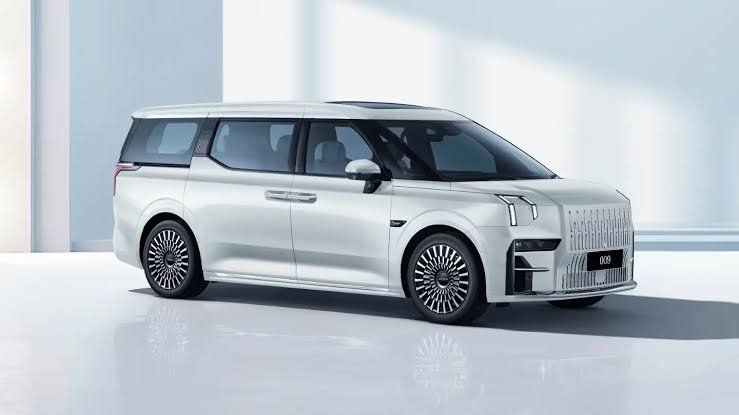
A 31-speaker Naim Audio system, dual-chamber air suspension, and a panoramic sunroof round out a cabin built for executive-level comfort rather than raw performance numbers.
| Trim | Architecture | Range (CLTC) | Starting Price |
| Ultra | 800V | 740 km | ~$69,000 |
| Family | 900V | 720 km | ~$75,000 |
| Ultra+ Executive | 900V | 720 km | ~$81,000 |
Swiveling to 45 or 90 degrees simplifies boarding, while the full 180-degree rotation creates a genuine face-to-face seating arrangement with the third row.
3. Li Mega Home: Best Zero-Gravity Rotating Seats
Li Auto’s flagship MPV introduced a Home trim specifically built around rotating second-row captain’s chairs that swivel up to 180 degrees to face the rear seats.
Doors trigger an automatic 45-degree rotation for easier boarding, and a 90-degree setting positions occupants to step directly out onto a sidewalk or driveway.
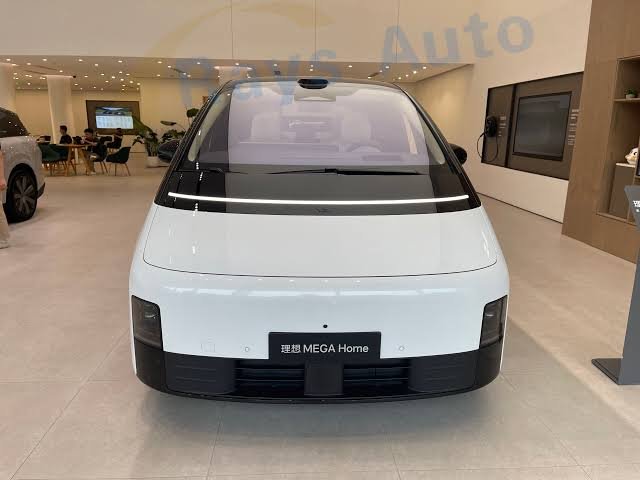
Dual electric motors combine for 400 kW and 542 Nm of torque, launching the Mega from zero to 100 km/h in roughly 5.5 seconds despite its considerable size and weight.
| Feature | Detail |
| Swivel Range | 180 degrees, second row |
| Massage | 18-point, second row |
| Recline Angle | 122° waist, 130° knee |
| Starting Price | Approximately $78,000 |
A floating central table folds out for meals or work between the second and third rows, transforming the swiveled cabin into a genuine mobile meeting room.
4. Hyundai Ioniq 9: Best Flat-Floor Swivel Layout Globally
Hyundai built the Ioniq 9 around a completely flat battery floor, and international markets get second-row seats that rotate to face either the door or the rear bench.
At 10.27 feet, the Ioniq 9 has the longest wheelbase in Hyundai’s lineup, giving the swiveling second row genuine room to rotate without bumping against the front seats.
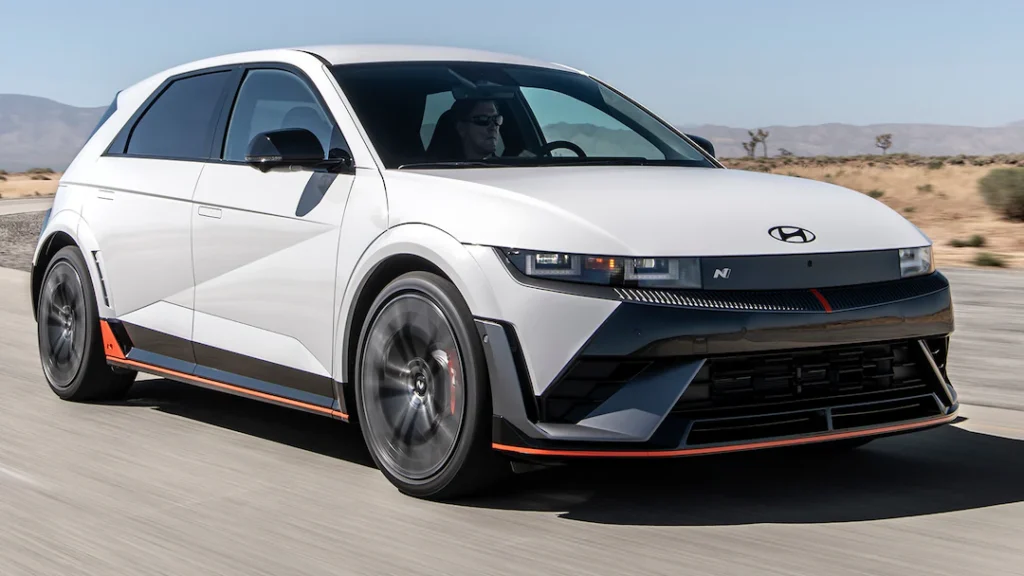
Hyundai designed the cabin around soothing color palettes intended to create a lounge-like feel, even suggesting the swivel seats could support an impromptu in-car meal together.
American buyers unfortunately miss out entirely, as strict domestic safety regulations mean the swivel hardware gets removed before Ioniq 9 units reach US dealerships.
5. Kia EV9: Best Family-Focused Global Swivel Option
The EV9’s second-row captain’s chairs rotate a full 180 degrees in markets outside the United States, letting rear passengers face each other or assist with installing a child seat from a more natural angle.
Kia’s flat EV platform, free of any transmission tunnel, made the rotating hardware possible without sacrificing legroom or structural rigidity in the process.
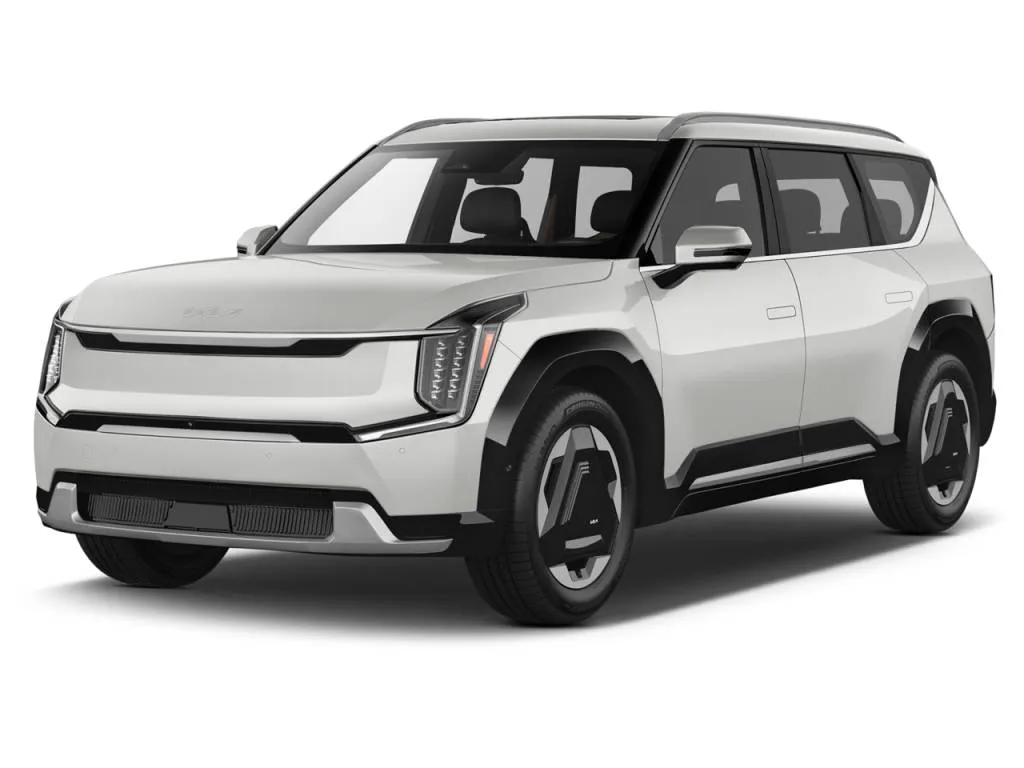
A Kia spokesperson confirmed the swivel feature remains excluded from the American lineup due to uncertainty around federal crash-test compliance for rotating rear seats.
US buyers instead receive fixed second-row captain’s chairs, still comfortable but missing the signature party trick that generated most of the EV9’s early internet buzz.
6. Genesis GV90: Best Luxury Swivel Concept For 2026
Genesis positioned the GV90 as its new flagship electric SUV, featuring coach-style doors and a second row that can rotate up to 180 degrees in global-market configurations.
Interior materials draw on traditional Korean aesthetic touches, blending cashmere, silk, and leather with underfloor cabin heating for a genuinely upscale executive feel.
Built on Hyundai Motor Group’s Integrated Modular Architecture, the GV90 shares underlying EV hardware with the Ioniq 9 while pushing further into true luxury territory.
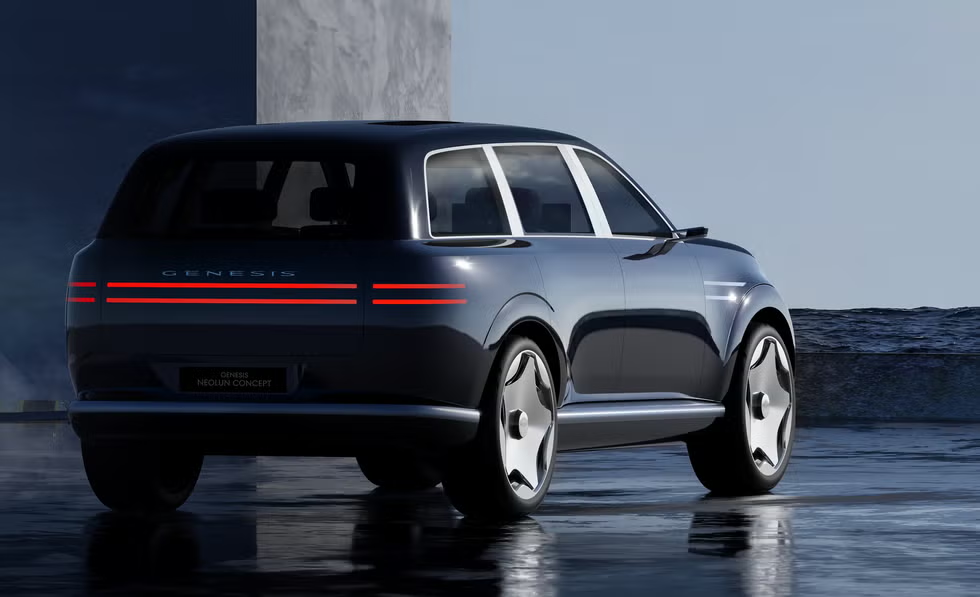
Production begins at Hyundai’s dedicated electric vehicle facility in Ulsan, South Korea, with the swivel-equipped configuration primarily aimed at markets outside the United States.
7. Voyah Dream
Dongfeng’s premium MPV brand built the Dream around a business-class cabin experience, and its second-row seats support both extensive reclining and rotational adjustment for face-to-face configurations.
A plug-in hybrid variant pairs a 1.5-liter turbocharged engine with dual electric motors for a combined 563 horsepower, while the all-electric version reaches 429 horsepower from twin motors.
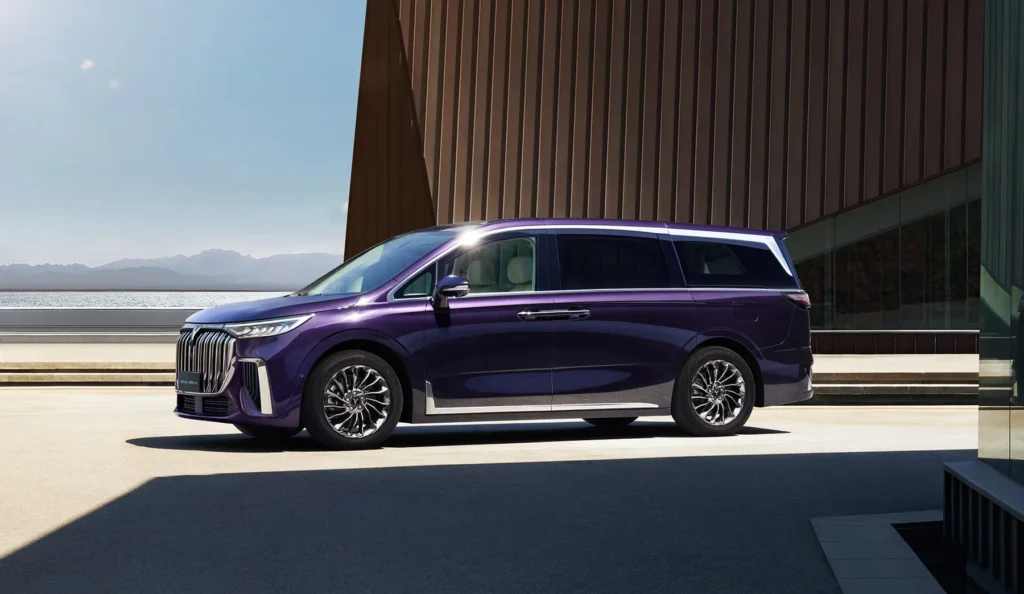
The Dream measures a substantial 5,315mm in length with a 3,200mm wheelbase, giving the rotating second row ample clearance to swivel without crowding the third-row bench.
| Powertrain | Combined Output | CLTC Range | Starting Price |
| PHEV | 563 hp | 235 km (EV mode) | $45,490 |
| BEV | 429 hp | 650 km | Approx. $52,000 |
Strong 2025 sales figures pushed the Dream past 55,000 units, reflecting how well rotating, business-class seating resonates with China’s premium MPV buyers.
8. Denza D9
BYD’s premium sub-brand equips the D9’s Ultimate trim with zero-gravity seats capable of 14-way adjustment, a 152-degree recline, and rotational positioning for relaxed second-row comfort.
A Super Hybrid dual-motor setup combines a 1.5-liter turbocharged engine with front and rear electric motors, delivering a pure electric range of roughly 130 miles before the gas engine assists.
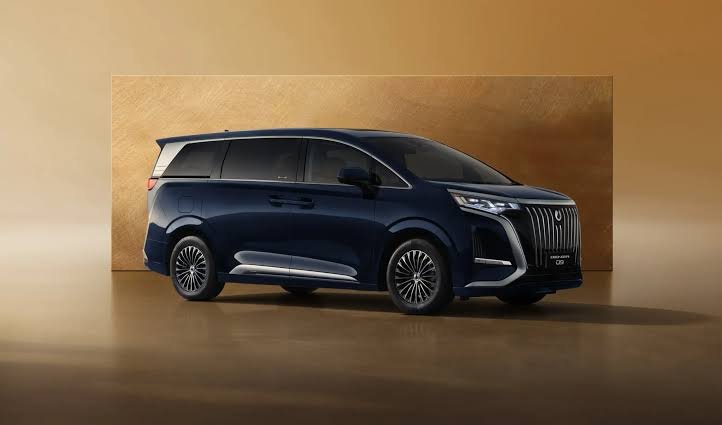
Recently launched in the UK at prices starting around $101,000, the D9 undercuts many rival luxury MPVs while still delivering a genuinely upscale rotating-seat cabin experience.
| Trim | Powertrain | EV Range | Starting Price |
| Elegance | Super Hybrid DM-i AWD | 130 mi | $101,000 |
| Ultimate | Super Hybrid DM-i AWD | 130 mi | $115,000 |
A 15.6-inch floating infotainment screen and individual rear entertainment displays round out a cabin designed to keep every passenger entertained during longer rides.
9. Toyota Sienna Auto Access Seat
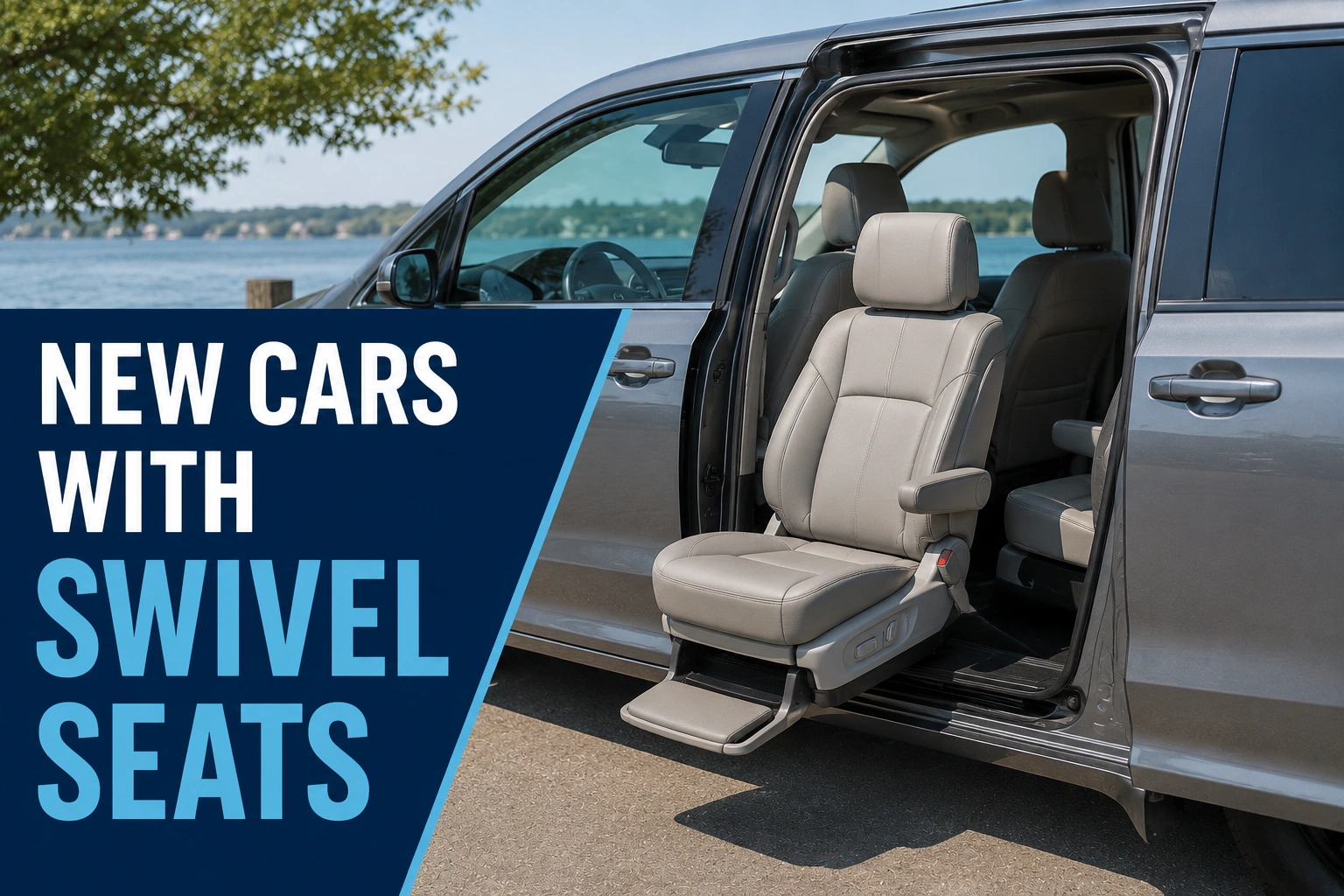
While most rotating-seat innovations stay overseas, Toyota quietly kept one genuine factory swivel option available stateside through its Auto Access Seat configuration on the Sienna.
The passenger-side second-row seat powers itself out of the cabin and lowers close to curb height, addressing mobility needs rather than chasing a lounge-like aesthetic.
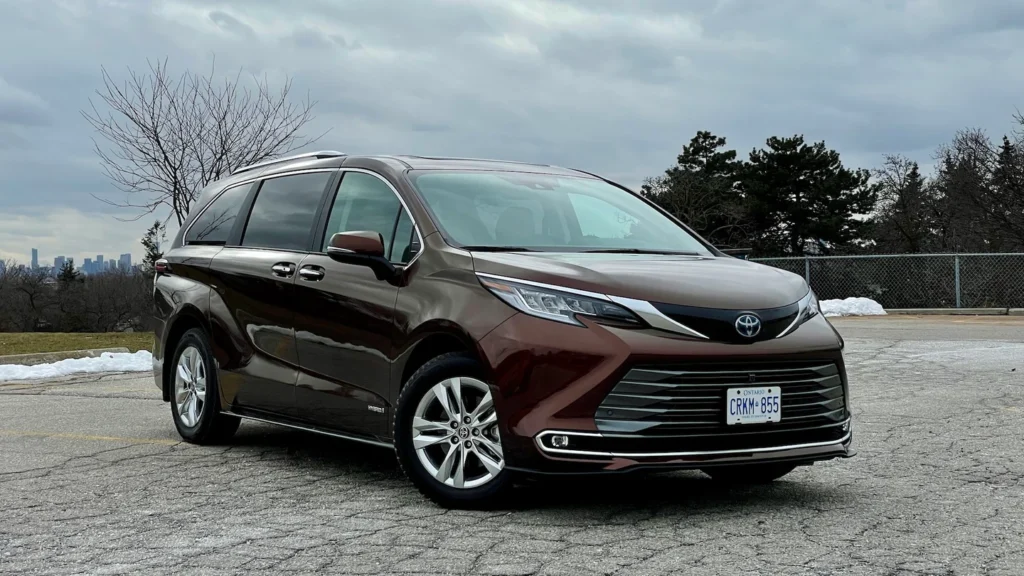
Every Sienna, including Auto Access Seat trims, runs on Toyota’s standard hybrid powertrain producing a combined 245 horsepower, returning up to 36 mpg combined on front-wheel-drive models.
| Configuration | Base Trim Premium | Fuel Economy | Notable Feature |
| LE Auto Access Seat | About $6,000 over standard | 36 mpg combined | Run-flat tires, no spare |
| XLE Auto Access Seat | About $6,000 over standard | 35-36 mpg combined | Power seat lowers to curb height |
Run-flat tires replace the standard spare, since the swivel mechanism occupies the space normally reserved for a spare tire well underneath the third row.
Comparing All Nine Models At A Glance
| Vehicle | Swivel Location | Rotation Range | Starting Price |
| Zeekr Mix | Front row | 270 degrees | $39,278 |
| Zeekr 009 | Second row | Up to 180 degrees | ~$69,000 |
| Li Mega Home | Second row | Up to 180 degrees | ~$78,000 |
| Hyundai Ioniq 9 (global) | Second row | 180 degrees | Not sold in US |
| Kia EV9 (global) | Second row | 180 degrees | Not sold in US |
| Genesis GV90 (global) | Second row | Up to 180 degrees | TBD |
| Voyah Dream | Second row | Rotational recline | $45,490 |
| Denza D9 | Second row | Rotational adjust | $101,000 |
| Toyota Sienna Auto Access Seat | Second row | Powers out of cabin | ~$6,000 premium |
What To Know Before Considering A Swivel-Seat Vehicle
Confirm whether the exact market version includes the rotating hardware, since automakers frequently strip swivel functionality from US-spec models to meet federal crash standards.
Ask about locking mechanisms and whether the manufacturer requires the vehicle to remain stationary before rotating a seat, since most systems disable movement while driving for safety.
Check cargo and third-row access carefully, since a swiveled second row sometimes blocks the aisle to rear seating until it’s returned to its forward-facing position.
Consider maintenance costs for powered mechanisms like Toyota’s Auto Access Seat, since motorized components generally cost more to repair than a standard manually adjustable seat.
Frequently Asked Questions
Why aren’t swivel seats available in most American-market vehicles?
Federal Motor Vehicle Safety Standards require rear seats to remain forward-facing during crash testing, and rotating hardware complicates the seatbelt and airbag geometry engineers rely on for compliance.
Is the Toyota Sienna Auto Access Seat the same as a lounge-style swivel seat?
No, it serves a mobility purpose by powering out of the cabin toward curb height, rather than rotating to face other passengers like the seats found in Chinese luxury MPVs.
Which car offers the most dramatic swivel feature in 2026?
The Zeekr Mix stands out with front seats rotating a full 270 degrees, a configuration not found on any other production vehicle currently on sale globally.
Will Kia or Hyundai ever bring swivel seats to the US versions of the EV9 or Ioniq 9?
Both companies have left the door open, but neither has committed to a timeline, citing ongoing uncertainty around federal crash-test approval for rotating rear seating.
Are swivel seats safe during a collision?
Manufacturers generally lock these seats in a forward-facing position before the vehicle moves, and rotation only becomes available once the vehicle is fully stationary and parked.
Do rotating seats add significant cost compared to standard captain’s chairs?
Yes, the added motors, locking mechanisms, and reinforced seat rails typically raise the price of a rotating-seat trim by several thousand dollars over a comparable fixed-seat configuration.