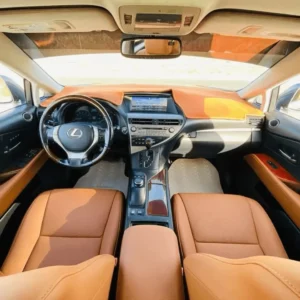
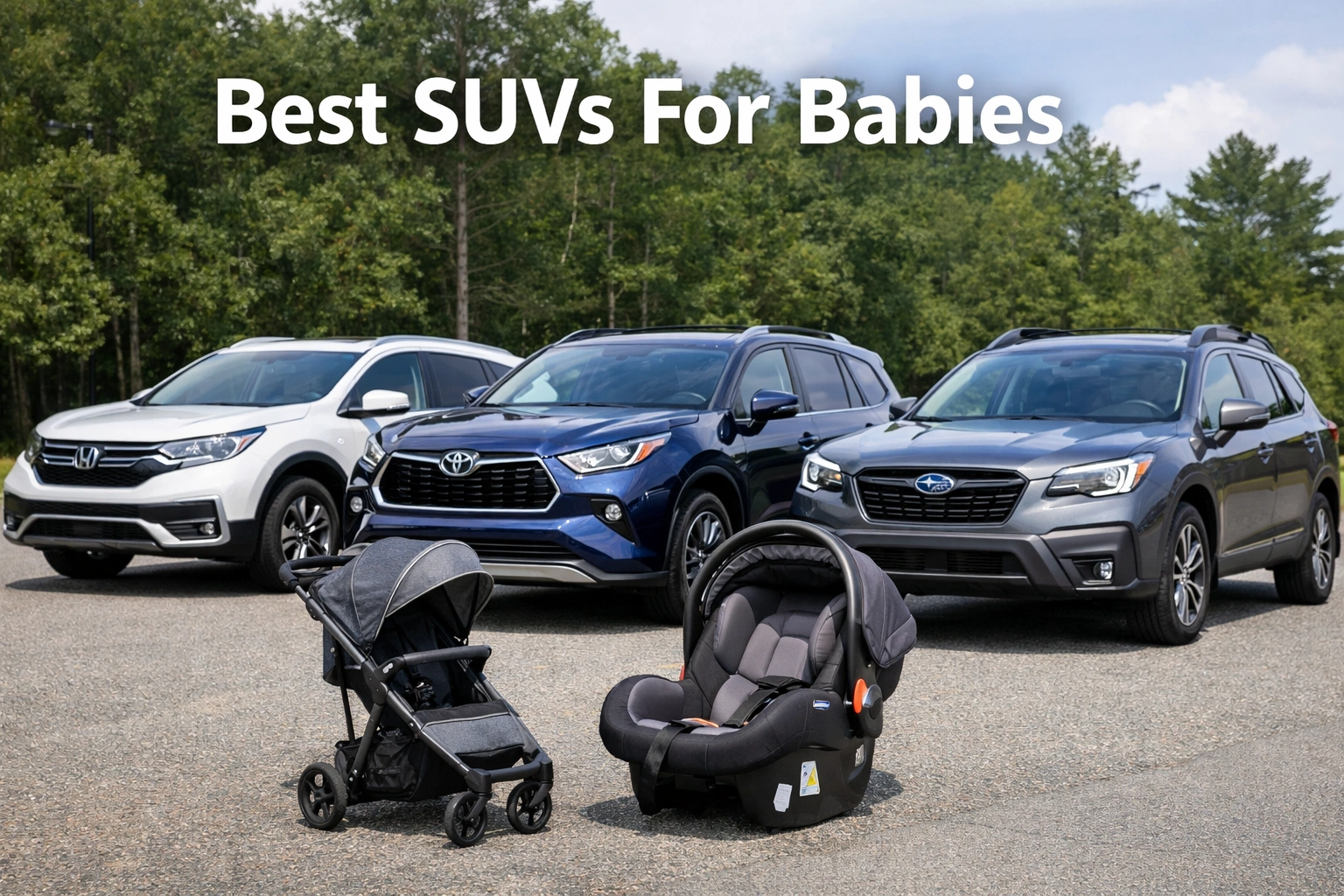
Welcoming a baby into the family changes everything, including how a vehicle is chosen. Space, safety, convenience, and long-term practicality suddenly become more important than sleek styling or rapid acceleration. An SUV designed with families in mind can make everyday life smoother — whether it’s a quick pediatric appointment, grocery shopping with a stroller in the back, or a weekend visit to grandparents.
The right model offers secure child-seat installation, wide-opening doors, a quiet cabin for naps, and thoughtful storage for bottles, bags, and blankets. Modern SUVs also bring advanced safety technology that adds an extra layer of confidence during daily travel. With so many options available today, selecting the right one requires careful evaluation of interior layout and safety ratings, cargo flexibility, and long-term durability.
✓ Key Principle
When shopping for a baby-friendly SUV, prioritize in this order: crash safety ratings → child seat compatibility → cargo practicality → long-term reliability → price. Style and performance should come last.
Research Note: Specifications and pricing sourced from official manufacturer websites. Safety ratings from NHTSA and IIHS. Reliability data and ownership insights cross-checked through Edmunds, Kelley Blue Book, and Consumer Reports.
Safety Features & Cabin Design That Matter Most
Parents prioritize protection above everything else. Structural integrity, crash-test performance, and advanced driver assistance systems play a central role in selecting a baby-friendly SUV. Beyond safety ratings, cabin design and seat configuration significantly influence daily comfort and convenience. This section covers the specific features to evaluate — jump to child seat compatibility, cargo design, or understanding rating systems.
Advanced Child Seat Compatibility & Crash Protection
Modern SUVs come equipped with reinforced safety cages, multiple airbags, and electronic systems that actively help prevent collisions. When transporting infants, the following features matter most:
- LATCH anchor accessibility — Clearly labeled, easily reachable anchor points. Test these in person: some SUVs bury anchors deeply in seat cushion crevices, making installation genuinely difficult.
- Rear-seat reminder alerts — Alerts the driver not to leave occupants in the back seat after parking.
- Automatic emergency braking (AEB) — Now standard on most 2025–2026 models and proven to reduce rear-end collisions significantly.
- Blind-spot monitoring — Critical when reversing out of parking spaces with a stroller in the trunk blocking rear visibility.
- Lane-keeping assistance — Helpful when driver attention is divided during infant care.
- Rear climate control vents — Infants are more sensitive to temperature than adults. Dedicated rear vents keep the back seat at a consistent temperature.
- Laminated/acoustic glass — Reduces exterior noise, creating a calmer environment for sleeping infants.
⚠ Door Width Matters
Wide rear doors that open nearly 90 degrees make placing an infant carrier dramatically easier — especially in tight parking spaces. Flat rear bench cushions ensure a secure base for both rear-facing and forward-facing seats. Always test door clearance before purchasing. See the buying guide checklist for what to verify at the dealership.
The NHTSA’s child seat installation guide provides detailed advice on choosing and installing car seats correctly. The SaferCar.gov portal also offers a vehicle-by-vehicle LATCH rating tool that rates ease of child seat installation — an underused but highly practical resource.
Spacious Cargo Areas for Strollers & Essentials
Parents quickly discover how much equipment travels with a baby. From full-size strollers and diaper bags to portable cribs and groceries, cargo space becomes essential. Key cargo features to evaluate:
✓
Low lift-over height — Makes loading a heavy stroller less physically demanding. Check the actual measurement, not just cubic feet capacity.
✓
Hands-free power liftgate — Essential when carrying an infant in one arm and a stroller in the other. Look for kick-to-open options on higher trims.
✓
Flat cargo floor — Prevents items from shifting during travel. Some SUVs have a pronounced step between the folded seats and cargo area.
✓
Underfloor storage — Keeps smaller essentials (wipes, first-aid kit) accessible without cluttering the main cargo area.
✓
Interior cabin storage — Large center console, bottle-sized door pockets, multiple cup holders, and accessible rear-seat pockets for wipes and snacks.
✓
Split-folding rear seats — Adds cargo flexibility without sacrificing all passenger seating, useful for mixed trips with both children and cargo.
Understanding NHTSA vs IIHS Safety Ratings
Both the National Highway Traffic Safety Administration (NHTSA) and the Insurance Institute for Highway Safety (IIHS) rate vehicle safety — but they test differently and measure different things. Understanding both helps you make a more informed decision when comparing the six vehicles in this guide.
| Factor | NHTSA | IIHS |
|---|---|---|
| Rating Scale | 1–5 stars (overall) | Good / Acceptable / Marginal / Poor |
| Crash Types Tested | Frontal, side, rollover | Small overlap front, moderate overlap, side, roof strength, head restraints |
| Top Award | 5-star overall | Top Safety Pick+ (TSP+) |
| Headlight Testing | Not included | Included — rates beam quality at night |
| Child Seat Ease | LATCH ease-of-use rating (separate) | Not rated |
| Best Use | Overall crash protection overview | Specific crash scenario performance |
ℹ Recommendation
For baby-focused shopping, prioritize models that score well on both systems. A 5-star NHTSA rating combined with IIHS Top Safety Pick+ is the gold standard. Check NHTSA’s separate LATCH ease-of-use ratings as an additional filter — it’s a test specifically relevant to families with infants.
Reliable Midsize SUVs for Long-Term Family Value
Midsize SUVs strike the ideal balance between manageable size and generous interior room. They are large enough for growing families while remaining comfortable to maneuver in urban settings. The two models below represent the segment’s strongest performers for families with babies. Compare them side-by-side in the full comparison table.
Editor’s Pick
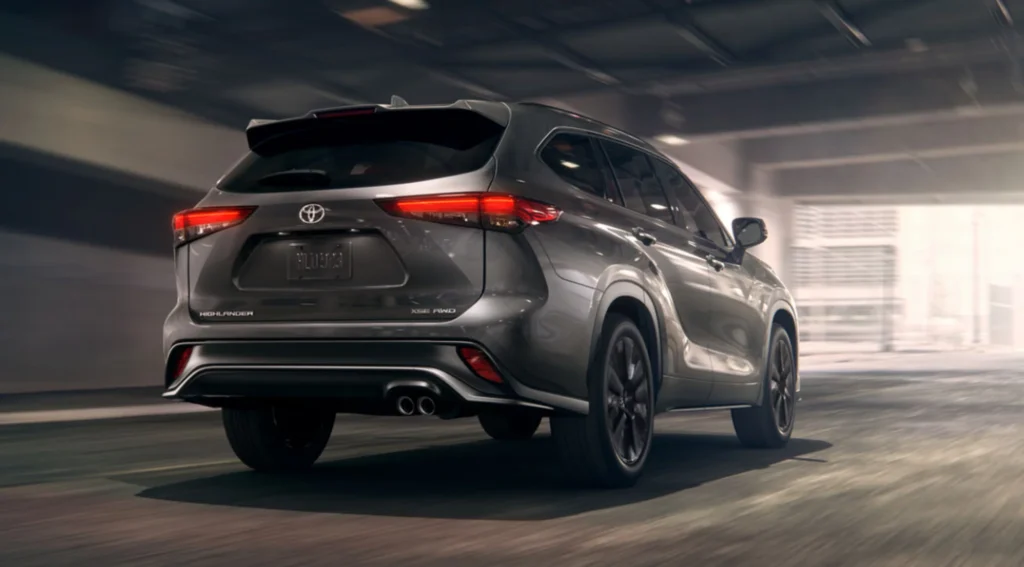
1. 2026 Toyota Highlander
MSRP: $47,540–$55,195
NHTSA: ⭐⭐⭐⭐⭐ 5-Star
Rows: 3
Cargo: (3rd row up)16 cu ft
Hybrid Available: Yes
Toyota Highlander remains one of the most trusted choices for families with babies. Its reputation for long-term reliability and strong safety performance has made it a consistent favorite — and for good reason. The 2026 Highlander offers three rows of seating, allowing room for future family growth while still accommodating infant car seats in the second row with ease.
The second-row captain’s chairs available in higher trims provide extra space around the child seat, making installation and access significantly easier. The cabin is finished with soft-touch materials, multiple USB-C ports, and dedicated rear climate controls — a feature particularly valuable for infants sensitive to temperature changes. A quiet cabin with standard acoustic insulation keeps road noise low during naps.
Performance & Efficiency
Under the hood, a turbocharged four-cylinder engine delivers smooth, efficient power. The hybrid variant (Toyota Highlander Hybrid) provides impressive fuel economy — around 35–36 MPG combined — which meaningfully reduces long-term running costs as family driving miles accumulate.
Cargo Practicality
Cargo space measures approximately 16 cubic feet behind the third row — adequate for a single stroller and a day bag — expanding significantly when the third row is folded. The liftgate height is low enough for easy stroller loading, and the optional hands-free power liftgate is standard on XLE trim and above.
Ratings at a Glance
Safety
10/10
Baby Practicality
9/10
Cargo Space
7.8/10
Reliability
9.6/10
Value
8.0/10
✓ Pros
- Best-in-class long-term reliability
- Three-row future-proofs for a second child
- Hybrid variant cuts fuel costs significantly
- Strong resale value protects investment
- Quiet cabin excellent for infant naps
- Comprehensive Toyota Safety Sense standard
✗ Cons
- Higher starting price than segment average
- Third row is tight for adult passengers
- 16 cu ft behind third row is not class-leading
- Some trims lack ventilated front seats
✓ Best For
Families planning a second child within 3–5 years who value reliability and resale value above all else. The Hybrid trim pays for its premium in fuel savings within 3–4 years for typical family mileage. Learn more at the official Toyota Highlander page or check reliability data on Consumer Reports.
2. 2026 Honda CR-V( Best Value) Compact-Midsize Two-Row
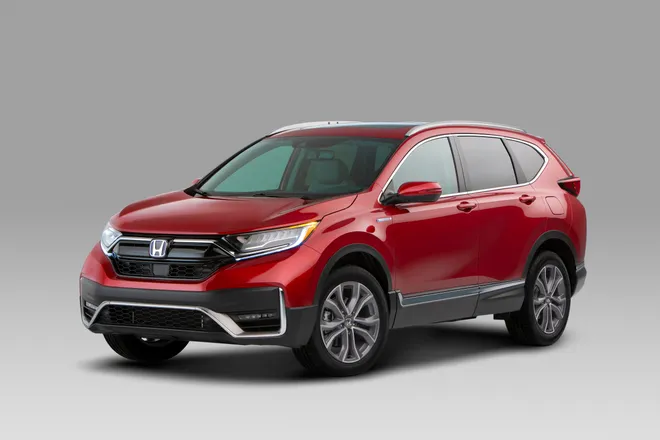
MSRP: $32,370–$38,350
NHTSA:⭐⭐⭐⭐⭐ 5-Star
Rows: 2
Cargo: (seats up)39 cu ft
Hybrid Available: Yes
Honda CR-V offers a slightly smaller footprint than the Highlander while maintaining excellent practicality. Families with one baby often find its size ideal for city driving and daily errands — easier to park, easier to maneuver, and easier on the budget. The 2026 CR-V provides generous rear-seat legroom, allowing rear-facing car seats to fit comfortably without crowding front passengers.
Honda Sensing — Honda’s suite of safety technologies — comes standard on every CR-V, including adaptive cruise control, collision mitigation braking, lane-keeping assist, and road departure mitigation. The rear seat is wide and well-padded, with clearly accessible LATCH anchors. A low cargo floor simplifies loading heavy infant gear. The 2026 CR-V also includes a rear-seat reminder standard on all trims.
Cargo Practicality
Cargo capacity stands at roughly 39 cubic feet behind the rear seats — class-leading and noticeably superior to most compact competitors. A full-size infant travel system (stroller + car seat travel system) fits without folding, leaving room for a grocery bag. This is one of the CR-V’s strongest advantages for new parents.
Ratings at a Glance
Safety
10/10
Baby Practicality
8.8/10
Cargo Space
9.2/10
Reliability
9.2/10
Value
9.5/10
✓ Pros
- Best cargo volume for the price
- Honda Sensing standard on all trims
- Accessible starting price for new families
- Hybrid offers strong fuel economy
- Excellent rear-seat legroom for child seats
- Low cargo floor height eases stroller loading
✗ Cons
- Only two rows — no expansion for second child
- Infotainment can feel complex initially
- No third-row option available
- Rear AC vents only on higher trims
✓ Best For
First-time parents with one child who prioritize cargo space, value, and city drivability. The CR-V Hybrid is particularly recommended — it reduces fuel costs and qualifies for tax incentives in many states. Check FuelEconomy.gov for estimated annual fuel savings on your specific driving profile.
Larger SUVs With Extra Room for Growing Families
Some families prefer additional space from the beginning — especially when planning for more children or traveling frequently with relatives. The two models below offer expanded seating and cargo versatility without the full size of a traditional body-on-frame SUV. See how they compare in the side-by-side table.
3. 2025 Kia Telluride ( Top Rated) Large Three-Row
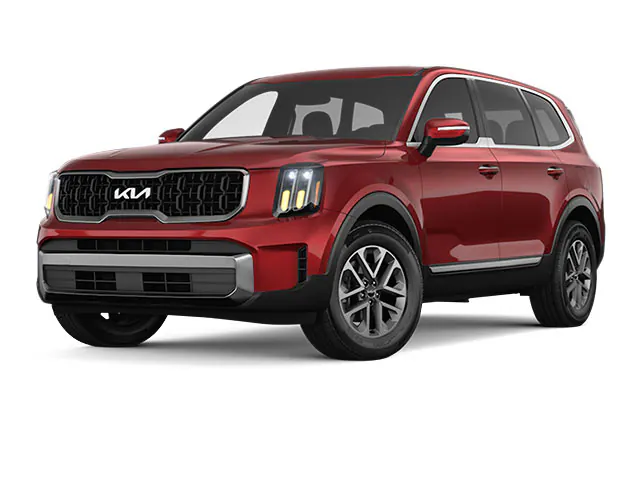
MSRP: $37,885–$55,180
IIHS🏆 Top Safety Pick+
Rows: 3 (seats 8)
Cargo: (3rd row up)21 cu ft
Hybrid Available:No
Kia Telluride has earned widespread praise for delivering near-luxury interior quality at a price significantly below German and Japanese three-row alternatives. With seating for up to eight passengers, it accommodates infant seats in the second row while still leaving space for siblings or visiting grandparents. It holds the IIHS Top Safety Pick+ award — the highest available safety designation.
The second-row seats on the Telluride slide forward and recline, which simplifies access to the third row — important when buckling a child seat while loading the back row simultaneously. Interior materials are genuinely premium, featuring soft surfaces throughout the passenger area. Rear sunshades (standard on SX and above) reduce sun exposure for infants. Tri-zone climate control ensures the rear cabin stays at a different temperature from the front if needed.
Performance
Powered by a 3.8-liter V6 producing around 291 horsepower, the 2025 Telluride delivers confident performance — useful when the vehicle is fully loaded with family and gear. The all-wheel drive option adds traction confidence in wet or snowy conditions. Learn more at the official Kia Telluride page.
Cargo Practicality
Cargo space measures approximately 21 cubic feet behind the third row — more than the Highlander in the same configuration — expanding to over 87 cubic feet when all rear seats are folded. The Telluride’s cargo area is wide and relatively flat, making it one of the most stroller-friendly three-row SUVs available.
Ratings at a Glance
Safety
10/10
Baby Practicality
9.3/10
Cargo Space
9.6/10
Interior Quality
9.5/10
Value
9.0/10
✓ Pros
- IIHS Top Safety Pick+ — highest rating available
- Premium interior quality at below-premium pricing
- 21 cu ft behind third row — best in class
- Tri-zone climate for optimal infant comfort
- Strong Kia 5-year/60k bumper-to-bumper warranty
- Rear sunshades standard on higher trims
✗ Cons
- No hybrid variant available
- Fuel economy trails competitors (19–24 MPG)
- High demand can mean above-MSRP dealer pricing
- Touch-sensitive climate controls on some trims
⚠ Buying Tip
Telluride demand often exceeds supply. Check dealer inventory carefully and compare to the Subaru Ascent if availability or pricing is a concern. The Ascent offers AWD standard and slightly better fuel economy at a similar price point.
4. 2026 Subaru Ascent (Large Three-Row AWD)
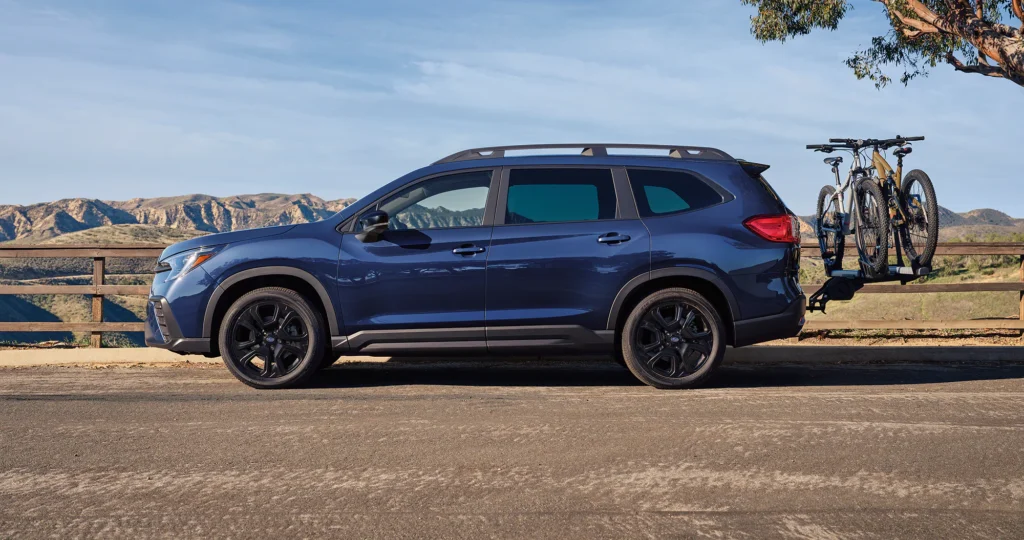
MSRP: $42,245–$53,445
NHTSA: ⭐⭐⭐⭐⭐ 5-Star
Rows: 3 (seats 7–8)
Cargo: (3rd row up)17.8 cu ft
AWD: Standard
Subaru Ascent appeals strongly to families who value all-weather safety alongside passenger comfort. Unlike most competitors where AWD is an optional upgrade, the Ascent includes Subaru Symmetrical All-Wheel Drive as standard on every trim — a meaningful distinction for families in regions with unpredictable weather. Its turbocharged four-cylinder engine provides adequate power with better fuel economy than a V6.
The 2026 Ascent offers wide-opening rear doors — one of the widest in its segment — making child seat installation straightforward even in tight spaces. Interior materials are durable and designed to resist the inevitable wear of family use. Rear climate vents and a built-in rear-seat reminder come standard. Subaru EyeSight driver assistance technology — which includes pre-collision braking, lane-centering, and sway warning — is standard across all trims.
All-Weather Advantage
Standard AWD is the Ascent’s defining feature for families in snow-prone or rainy climates. It provides confident traction year-round without the cost or complexity of selecting an AWD option. This is particularly reassuring for winter pediatric appointments or emergency nighttime drives.
Ratings at a Glance
Safety
10/10
Baby Practicality
8.8/10
All-Weather
10/10
Cargo Space
8.0/10
Value
8.2/10
✓ Pros
- Standard AWD on every trim — no extra cost
- Widest rear doors in segment
- EyeSight safety standard across all trims
- Durable interior materials for family wear
- Better fuel economy than V6 competitors
- Ideal for snowy or wet climates
✗ Cons
- Interior quality below Telluride’s standard
- Third row is cramped for adults
- Infotainment system lags competitors
- No hybrid variant currently offered
Compact SUVs for First-Time Parents
Not every family requires a large vehicle. Compact SUVs offer practicality, efficiency, and easier parking while still fully supporting infant needs. For families with one child living in urban or suburban settings, these two models deliver outstanding value. See full specs in the comparison table.
5. 2026 Mazda CX-5 ( Premium Compact)
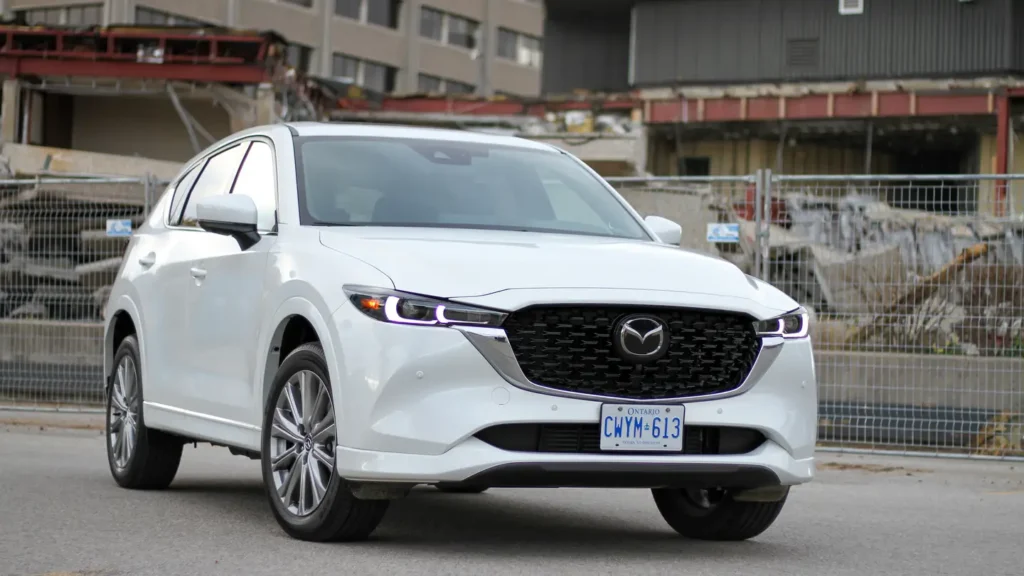
MSRP: $31,485–$40,485
NHTSA/: ⭐⭐⭐⭐⭐ 5-Star
Rows: 2
Cargo: (seats up)30.9 cu ft
AWD Available: Yes
Mazda CX-5 combines genuinely refined interior quality with manageable dimensions — it is frequently described as the most upscale-feeling vehicle in its price bracket. For parents who want a premium experience without a premium price tag, the CX-5 delivers soft-touch surfaces, a calm, well-insulated cabin, and intuitive controls throughout.
The CX-5 provides supportive rear seating with easy-to-reach LATCH anchors — rated among the most accessible in its class. The cabin maintains one of the lowest noise levels of any compact SUV, which is a genuine advantage for infants who sleep more easily in quieter environments. Standard safety features include Mazda i-Activsense, covering blind-spot monitoring, rear cross-traffic alert, and lane departure warning across all trims.
Ratings at a Glance
Safety
10/10
Interior Quality
9.6/10
Cabin Quietness
9.5/10
Cargo Space
7.0/10
Value
8.7/10
✓ Pros
- Quietest cabin in compact segment — ideal for naps
- Premium interior at non-premium pricing
- Accessible LATCH anchors — easy child seat install
- All safety tech standard across all trims
- AWD option available on all trims
- Strong resale value
✗ Cons
- 30.9 cu ft cargo is lower than CR-V or Tucson
- No third row available
- Rear seat access slightly tighter than competitors
- No plug-in hybrid option
6. 2026 Hyundai Tucson (Most Affordable)
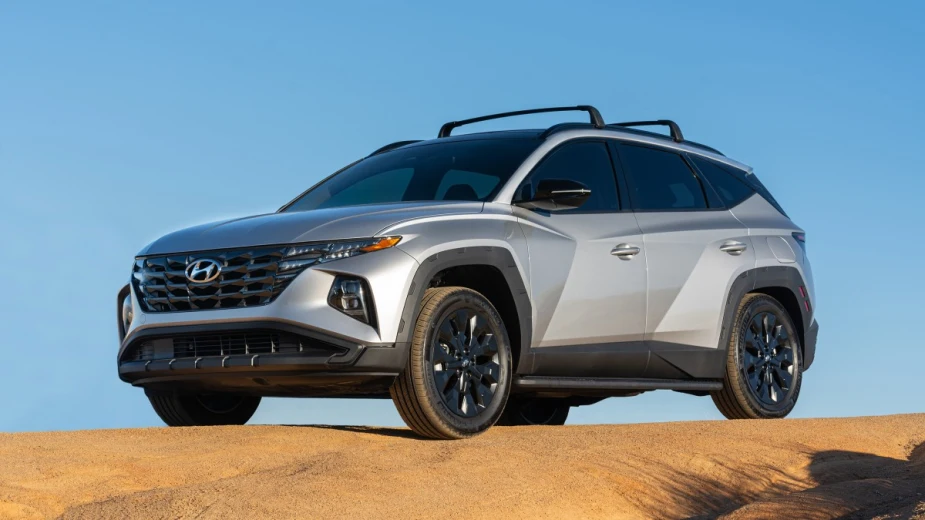
MSRP from $30,800
NHTSA⭐⭐⭐⭐⭐ 5-Star
Rows2
Cargo (seats up)38.7 cu ft
Hybrid AvailableYes
The 2026 Hyundai Tucson offers one of the most spacious rear seats in the compact segment, with generous legroom that comfortably accommodates a rear-facing infant seat without pressing the front passenger forward. At under $31,000 to start, it is the most accessible vehicle in this guide without sacrificing meaningful safety credentials.
Why It Works for Babies
The Tucson’s rear-seat alert system is standard — it prompts the driver to check the back seat before exiting, a simple but genuinely valuable safety feature for new parents. The cargo volume of 38.7 cubic feet rivals the CR-V and easily fits a full-size stroller. The Hybrid variant provides strong fuel economy (38 MPG combined) and qualifies for federal tax credits under current legislation — check eligibility at FuelEconomy.gov.
Connectivity & Convenience
The 2026 Tucson features a wide digital instrument cluster and a large central touchscreen with wireless Apple CarPlay and Android Auto standard. Multiple USB ports across both rows ensure devices stay charged during travel. Learn more at the official Hyundai Tucson page.
Ratings at a Glance
Safety
10/10
Baby Practicality
8.9/10
Cargo Space
9.2/10
Value
9.7/10
Tech Features
9.2/10
✓ Pros
- Lowest starting price in this guide
- Near-CR-V cargo volume for less money
- Rear-seat alert standard on all trims
- Hybrid qualifies for federal tax credits
- Excellent standard technology features
- Spacious rear seat for child seat installation
✗ Cons
- Interior materials below Mazda CX-5 quality
- Some driver assistance features require higher trims
- Cabin noise higher than CX-5 at highway speed
- Non-hybrid trims have modest fuel economy
Side-by-Side Comparison
All prices reflect base MSRP. Cargo behind rear seats measured with all available seats occupied. Click any model name to jump to its full review.
| Model | Starting MSRP | Rows | Cargo (seats up) | Safety Rating | Hybrid? | Standard AWD? |
|---|---|---|---|---|---|---|
| 2026 Toyota Highlander | $47,540 | 3 | 16.0 cu ft | NHTSA 5-Star | Yes | No |
| 2026 Honda CR-V | $32,370 | 2 | 39.0 cu ft | NHTSA 5-Star | Yes | No |
| 2025 Kia Telluride | $37,885 | 3 | 21.0 cu ft | IIHS TSP+ | No | No |
| 2026 Subaru Ascent | $42,245 | 3 | 17.8 cu ft | NHTSA 5-Star | No | Yes |
| 2026 Mazda CX-5 | $31,485 | 2 | 30.9 cu ft | NHTSA 5-Star | No | No |
| 2026 Hyundai Tucson | $30,800 | 2 | 38.7 cu ft | NHTSA 5-Star | Yes | No |
Quick Decision Guide
Best for one child, city driving: CR-V or Tucson
Best for planned second child: Highlander or Telluride
Best for snowy or rainy climates: Subaru Ascent (standard AWD)
Best premium compact feel: Mazda CX-5
Best value overall: Hyundai Tucson Hybrid
How to Choose: A Step-by-Step Buying Guide
Choosing an SUV for a baby involves planning beyond the first year. Use this checklist to evaluate any vehicle — whether from this guide or elsewhere. For safety rating lookups, use the rating explanation above and the external links in the resources section.
Step 1: Define Your Family’s 5-Year Plan
If a second child is likely within five years, a three-row SUV (Highlander, Telluride, or Ascent) makes better long-term financial sense than buying a compact now and upgrading in three years. Factor in the cost of two transactions versus one.
Step 2: Verify Safety Ratings Independently
Don’t rely on marketing claims. Check your specific trim level on NHTSA.gov and IIHS.org directly. Some vehicles earn top ratings only on specific trims (those with standard automatic emergency braking and upgraded headlights). Also check the NHTSA’s separate LATCH ease-of-use ratings for your specific vehicle.
Step 3: Bring the Car Seat to the Dealership
Install your actual infant car seat in any vehicle before purchasing. LATCH anchor accessibility varies significantly between models — even those with good paper ratings. Test how much space remains for the front passenger after installation. Many parents discover fit issues only after purchase.
Step 4: Test Rear Door Width in a Realistic Space
Ask the dealership to park the vehicle in a standard parking space (not an open lot). Open the rear doors fully and simulate placing an infant carrier. Some vehicles with wide doors cannot fully open in normal parking scenarios due to door length.
Step 5: Evaluate Total Cost of Ownership
Use Edmunds’ True Cost to Own tool to compare 5-year costs including insurance, maintenance, fuel, and depreciation. A vehicle with a lower MSRP but higher running costs may cost more over five years than a pricier alternative. The Highlander Hybrid and Tucson Hybrid often compare favorably on this basis despite higher sticker prices.
Step 6: Check Reliability History
Consumer Reports’ reliability ratings and J.D. Power’s Vehicle Dependability Study both provide model-specific long-term reliability data. For families with an infant, unexpected repairs are particularly disruptive — reliability should be a primary filter, not an afterthought.
Child Seat Installation Guide
Installing a child seat correctly is as important as which vehicle you choose. According to the NHTSA, a significant percentage of child car seats are installed incorrectly. Understanding the LATCH system and installation principles helps ensure your baby is protected regardless of which SUV you choose from this guide.
LATCH vs. Seat Belt Installation
LATCH (Lower Anchors and Tethers for Children) is the dedicated anchor system built into SUV rear seats. It is generally simpler and more reliable than seat belt installation — but only when the anchors are accessible. This is why NHTSA’s separate LATCH ease-of-use ratings are so important.
| Installation Method | Best For | Key Consideration |
|---|---|---|
| LATCH (Lower Anchors) | Rear-facing infant seats, forward-facing seats | Only use up to the weight limit (typically 65 lbs combined child + seat weight) |
| Top Tether | Forward-facing seats only | Always use the top tether when forward-facing — it reduces head movement in a crash by up to 6 inches |
| Seat Belt | When LATCH weight limit is exceeded | Equally safe when installed correctly — many prefer it for heavier convertible seats |
⚠ Important
Rear-facing is safest for infants and toddlers. The American Academy of Pediatrics (AAP) recommends keeping children rear-facing until they reach the maximum height or weight limit of their convertible seat — typically age 3–4. All six SUVs in this guide accommodate rear-facing seats comfortably. See seat-specific recommendations at the comparison table.
For hands-on installation help, NHTSA’s Child Car Seat Inspection Station locator connects parents with certified technicians who will check installation for free.
Frequently Asked Questions
What size SUV is best for a family with one baby?
A compact or compact-midsize SUV is usually ideal for a one-child family. The Honda CR-V and Hyundai Tucson offer the most cargo space in this class, while the Mazda CX-5 provides the quietest cabin. If a second child is planned within five years, consider going directly to a three-row model to avoid the cost of a second transaction. See the buying guide for the five-year planning framework.
Is all-wheel drive necessary with a baby?
In mild climates, AWD is not necessary and adds fuel consumption and purchase cost. In regions with significant snow, ice, or heavy rainfall, standard AWD — as offered on the Subaru Ascent — provides meaningful safety reassurance, especially during nighttime emergency drives. Good all-season tires often provide more winter traction benefit than AWD alone on dry or lightly snowy roads.
Which SUV in this guide is easiest for child seat installation?
The Subaru Ascent and Mazda CX-5 consistently earn the highest LATCH ease-of-use ratings. Both have well-positioned, clearly labeled anchors with adequate clearance around them. Always verify by testing your specific seat in the vehicle before purchasing, as ease varies between seat models. Check SaferCar.gov for vehicle-specific LATCH ratings.
Does a quiet cabin actually matter for a baby?
Yes, meaningfully. Infants exposed to consistent low-frequency road noise during car travel often sleep better in quieter cabins. The Mazda CX-5 and Toyota Highlander lead their respective segments in cabin noise levels. Laminated acoustic glass — offered as standard or optional equipment — makes a measurable difference. If your baby already sleeps poorly in the car, a quieter vehicle is worth prioritizing.
Is a hybrid SUV worth it for a family?
Generally yes, if you drive significant annual mileage. Families with a baby tend to drive more than their pre-child baseline due to pediatric visits, family visits, and activity-related travel. The Toyota Highlander Hybrid and Hyundai Tucson Hybrid both offer meaningful fuel savings that compound over 5+ years of ownership. Use FuelEconomy.gov’s comparison tool to calculate your specific savings based on local fuel prices and estimated annual mileage.
What warranty should I look for in a family SUV?
The Kia Telluride offers the strongest standard warranty in this guide: 5 years/60,000 miles bumper-to-bumper and 10 years/100,000 miles powertrain. Toyota and Honda offer 3 years/36,000 miles bumper-to-bumper and 5 years/60,000 miles powertrain — shorter but backed by exceptional reliability records that make warranty claims rare. Subaru matches Toyota/Honda’s coverage. For long-term peace of mind, check J.D. Power’s dependability ratings alongside warranty terms.
Should I buy new or certified pre-owned for a family SUV?
Certified pre-owned (CPO) vehicles from Toyota, Honda, and Subaru can offer excellent value — they typically include manufacturer-backed warranty extensions and undergo multi-point inspections. A 1–2 year old CPO Highlander or CR-V may offer 90% of the new vehicle’s useful life at 15–20% less cost. Check manufacturer CPO programs directly: Toyota CPO, Honda Certified Used. Always check the vehicle’s safety rating year, as minor updates can affect scores.
Conclusion
The modern SUV market offers a wide and genuinely strong selection for families with babies. Every vehicle in this guide earns a 5-star NHTSA rating or IIHS Top Safety Pick+, meaning safety is not a differentiator — it is a baseline. The real decision comes down to how you live.
A quick summary of the right choice for each situation:
- Planning a second child: Toyota Highlander (reliability + 3 rows) or Kia Telluride (space + premium feel)
- One child, city driving, budget-focused: Hyundai Tucson Hybrid
- Quietest cabin for a light-sleeping baby: Mazda CX-5
- Snow, rain, or rugged conditions: Subaru Ascent (standard AWD)
- Maximum cargo for minimum cost: Honda CR-V
Above all else: verify safety ratings independently, test LATCH installation with your actual car seat at the dealership, and use the five-year buying framework before committing. The vehicle you choose will travel hundreds of thousands of miles alongside your child’s most formative years — it deserves careful consideration.