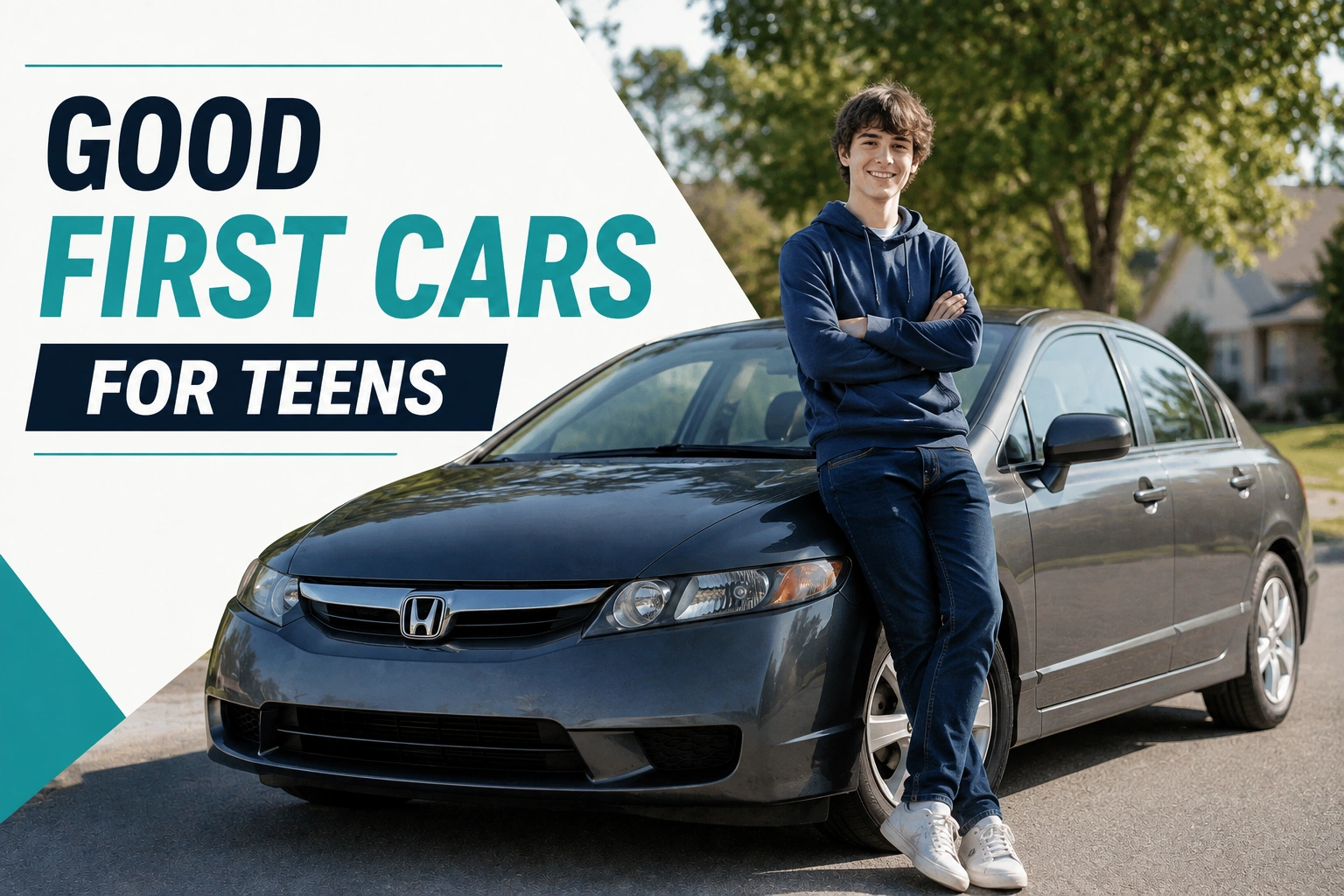
A driving instructor I spoke with last spring keeps a running list of the cars her students show up in for their first behind-the-wheel lesson. The nervous ones usually arrive in something small and forgettable, while the overconfident ones show up in a hand-me-down muscle car that’s clearly more machine than they can handle.
Her advice never changes: the safest first car isn’t the flashiest one, it’s the one that forgives mistakes. Teen drivers crash at nearly four times the rate of experienced adults per mile driven, which makes the choice of that first set of keys one of the more consequential purchases a family makes.
This guide breaks down seven genuinely solid first cars for 2026, backed by real crash-test data, ownership costs, and the safety technology that actually matters when a new driver is still building good habits.
What Actually Makes A Car Safe For A New Driver
Automatic emergency braking has become the single most important feature on this list, since it directly targets rear-end collisions, the most common type of crash among inexperienced drivers.
Moderate horsepower matters more than most parents realize. A car with restrained power output gives a teen less opportunity to make a small mistake turn into a serious one.
Outward visibility affects how quickly a new driver spots pedestrians, cyclists, and merging traffic. Thick rear pillars and small windows hide hazards that a more experienced driver would catch instinctively.
Blind-spot monitoring and lane-keep assist cover the attention lapses that come naturally with limited experience, acting as a quiet backup system rather than a replacement for good habits.
Reading Safety Ratings The Right Way
The IIHS moderate overlap and side-impact tests simulate the intersection-style crashes new drivers most commonly experience, making them more relevant than the standard frontal test alone.
A Top Safety Pick or Top Safety Pick+ designation signals that a vehicle performs well across every major IIHS test category, not just one isolated crash scenario.
NHTSA’s five-star overall rating offers a useful second opinion, though checking the individual frontal, side, and rollover scores reveals more detail than the overall number alone.
Vehicles built after roughly 2019 are far more likely to include automatic emergency braking as standard equipment, an important cutoff to remember when shopping the used market.
The 7 Best First Cars For Teens
1. Toyota Corolla
Few nameplates carry a stronger reputation for mechanical durability than the Corolla, and its 2026 redesign brought a hybrid powertrain to every single trim in the lineup.
The gas lineup uses a 2.0-liter four-cylinder producing 169 horsepower, while the Hybrid LE returns up to 50 mpg combined thanks to a 1.8-liter engine paired with an electric motor.
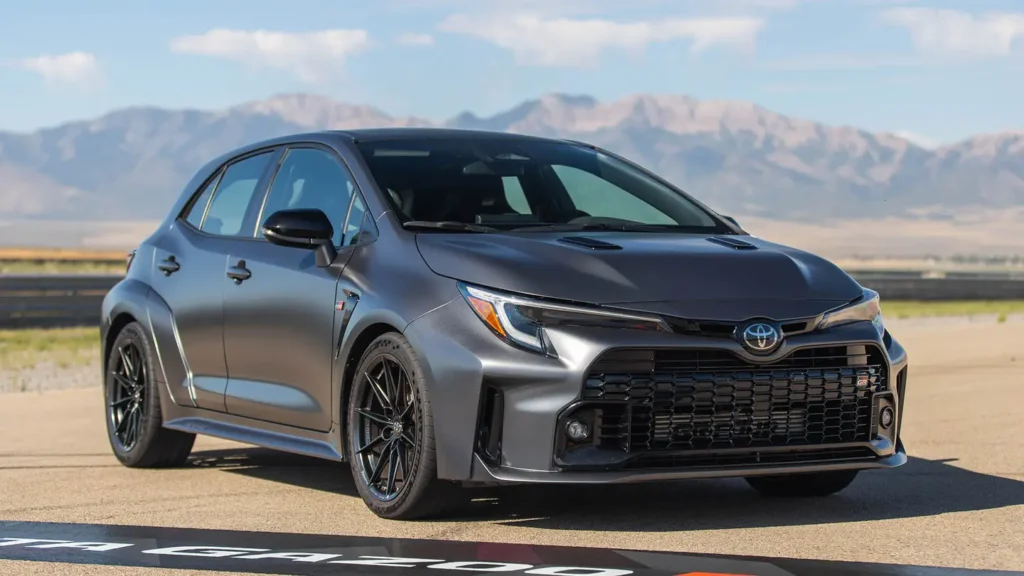
Toyota Safety Sense comes standard across every trim, bundling automatic emergency braking, lane departure alert, and adaptive cruise control without requiring an upgraded package.
| Trim | Powertrain | Fuel Economy | Starting Price |
| LE | 2.0L 4-cyl | 35 mpg combined | $23,125 |
| Hybrid LE | 1.8L Hybrid | 50 mpg combined | $26,995 |
| SE | 2.0L 4-cyl | 34 mpg combined | $25,000 |
| Hybrid XLE | 1.8L Hybrid | 50 mpg combined | $29,995 |
Low insurance premiums and consistently strong resale value make the Corolla one of the cheapest cars to own over a teen’s entire learning-to-drive period.
2. Honda Civic
The Civic pairs genuine crash-test credentials with a driving character that stays predictable at the limit, an important trait for a driver still learning where those limits sit.
Base LX and Sport trims use a 2.0-liter four-cylinder producing 150 horsepower, while the Civic Hybrid steps up to 200 horsepower through a more sophisticated series-hybrid setup.
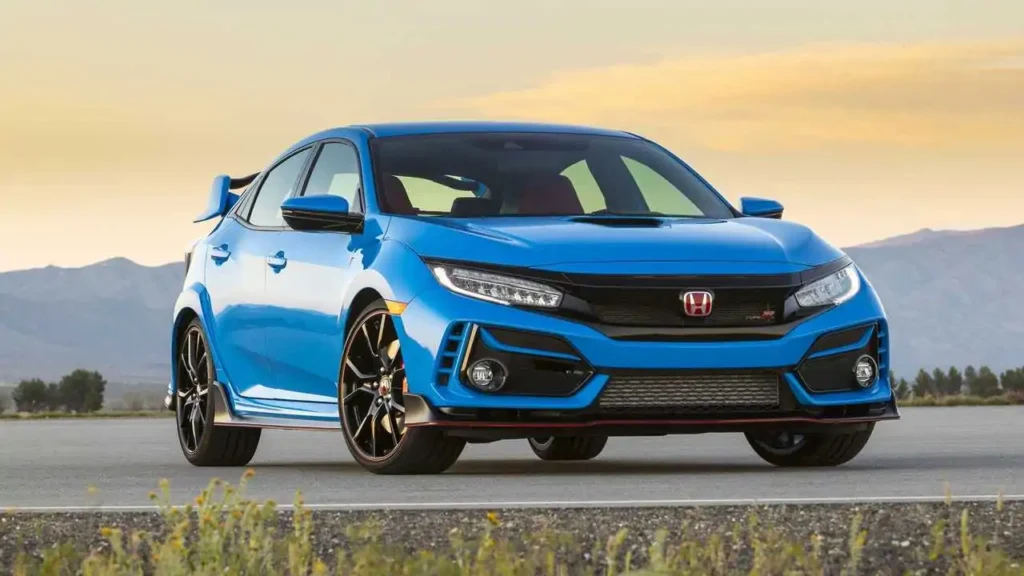
Honda Sensing comes standard on every trim, covering forward collision warning, automatic emergency braking, and road departure mitigation regardless of how much a buyer spends.
| Trim | Engine | Horsepower | Starting Price |
| LX | 2.0L 4-cyl | 150 hp | $25,890 |
| Sport | 2.0L 4-cyl | 150 hp | $27,890 |
| Sport Hybrid | Hybrid | 200 hp | $30,000 |
| Si | 1.5L Turbo | 200 hp | $32,690 |
Strong resale value means families who buy new often recover a meaningful portion of the purchase price once a teen graduates to their own independent car search.
3. Mazda3
The Mazda3 earned a 2026 IIHS Top Safety Pick+ award alongside a five-star NHTSA overall rating, proof that a genuinely fun-to-drive car doesn’t have to sacrifice crash protection.
A naturally aspirated 2.5-liter four-cylinder produces 191 horsepower in base trims, while an available turbocharged 2.5-liter option climbs to 250 horsepower with standard all-wheel drive.
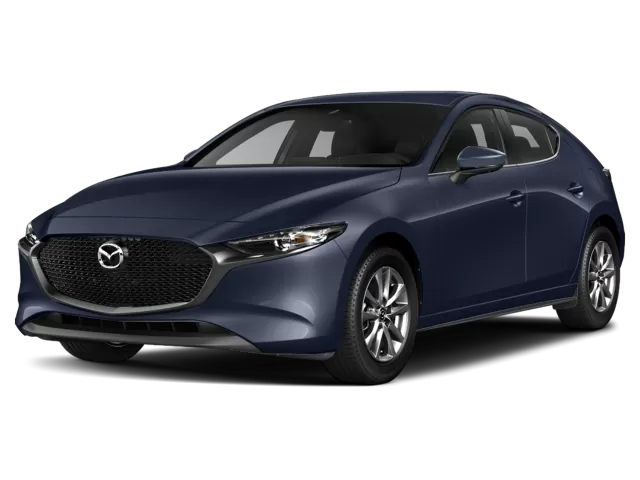
Every Mazda3 ships with adaptive cruise control, automatic emergency braking, lane-keep assist, and automatic high beams as standard equipment across the entire trim lineup.
| Trim | Engine | Horsepower | Starting Price |
| 2.5 S | 2.5L 4-cyl | 191 hp | $24,650 |
| 2.5 S Select | 2.5L 4-cyl | 191 hp | $27,000 |
| 2.5 Turbo | 2.5L Turbo | 250 hp | $32,000 |
Interior materials feel noticeably nicer than the segment average, giving a teen’s first car a genuinely upscale cabin without the premium-brand price tag.
4. Hyundai Elantra
Hyundai loaded the Elantra with a comprehensive driver-assistance suite standard on every trim, including the performance-oriented N variant, an unusually generous approach for this price range.
A 2.0-liter four-cylinder producing 147 horsepower powers most trims, while the SEL and Limited add forward collision-avoidance assist with cyclist detection as standard equipment.
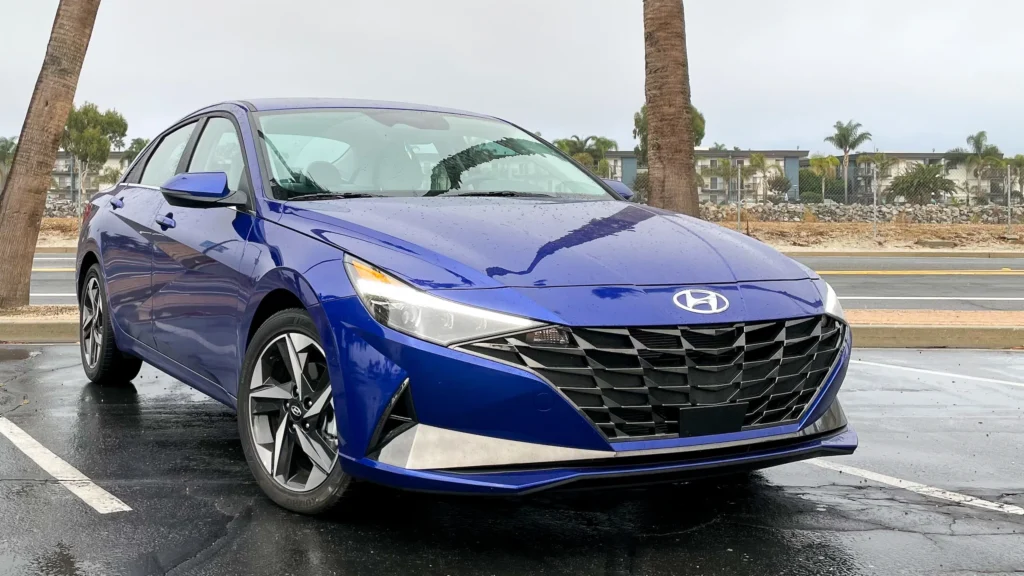
The Elantra earned both a five-star NHTSA overall rating and a 2026 IIHS Top Safety Pick award, checking every major safety box a family shopping for a teen would want.
| Trim | Engine | Standard Safety Tech | Starting Price |
| SE | 2.0L 4-cyl | AEB, lane-keep, driver monitoring | $21,870 |
| SEL | 2.0L 4-cyl | Adds blind-spot, rear cross-traffic | $23,500 |
| Limited | 2.0L 4-cyl | Adds 360-camera, parking sensors | $27,500 |
Stepping up to the SEL Convenience Package adds adaptive cruise control and Highway Driving Assist, features that genuinely help a new driver stay centered on longer highway trips.
5. Nissan Sentra
Among mainstream compact sedans, the Sentra consistently lands at the more affordable end of the pricing spectrum without cutting corners on the safety features that matter most.
A 2.0-liter four-cylinder producing 149 horsepower comes standard, paired with a continuously variable transmission tuned for smooth, predictable acceleration rather than outright quickness.
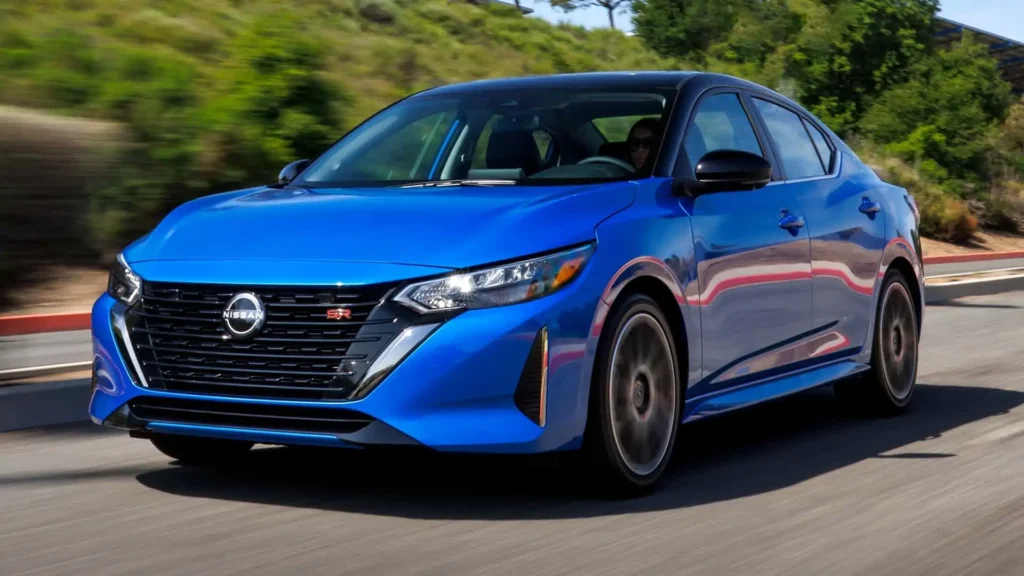
Nissan Safety Shield 360 bundles automatic emergency braking, lane departure warning, and high-beam assist as standard equipment across the entire Sentra lineup, including the base S trim.
| Trim | Engine | Horsepower | Starting Price |
| S | 2.0L 4-cyl | 149 hp | $22,600 |
| SV | 2.0L 4-cyl | 149 hp | $24,441 |
| SR | 2.0L 4-cyl | 149 hp | $25,500 |
Insurance costs for the Sentra typically rank among the lowest in its class, a meaningful savings given how much premiums for teen drivers already run above the national average.
6. Subaru Crosstrek
Families in snowy or rural regions often lean toward the Crosstrek specifically because standard all-wheel drive removes a major variable from a new driver’s list of concerns.
Subaru’s uprated 2.5-liter Boxer engine now produces 180 horsepower standard across the lineup, while the new Crosstrek Hybrid adds a combined 194 horsepower with improved city efficiency.
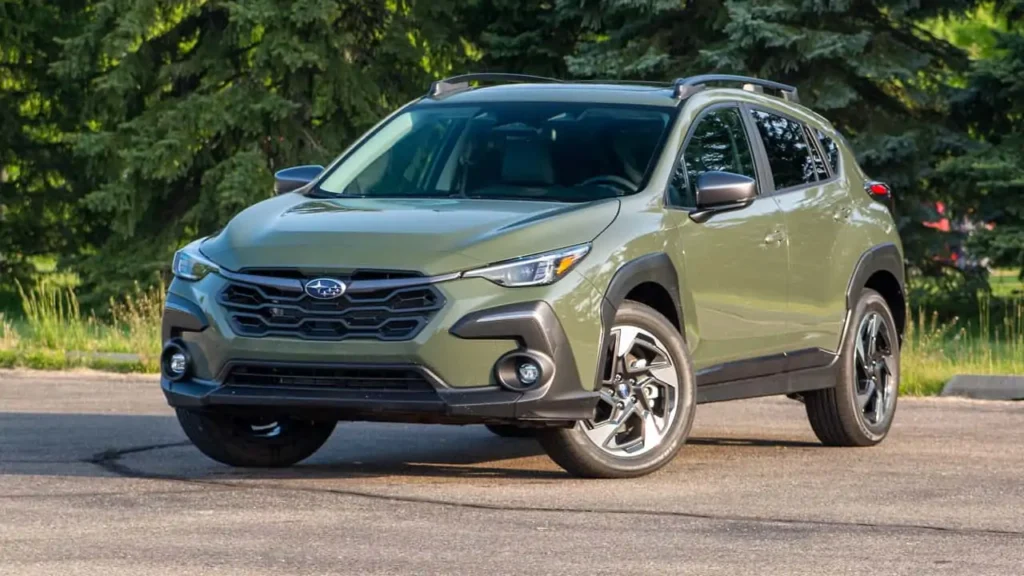
EyeSight driver-assist technology comes standard on every trim, bundling pre-collision braking, lane departure warning, and lane-keep assist without requiring an expensive options package.
| Trim | Powertrain | Ground Clearance | Starting Price |
| Base | 2.5L 4-cyl | 8.7 in | $28,415 |
| Premium | 2.5L 4-cyl | 8.7 in | $29,415 |
| Sport Hybrid | Hybrid | 8.7 in | $35,415 |
| Wilderness | 2.5L 4-cyl | 9.3 in | $35,215 |
A raised seating position improves outward visibility compared to a low sedan, helping a teen spot hazards sooner in congested parking lots and school zones.
7. Hyundai Tucson
Families who anticipate a teen eventually hauling siblings, sports gear, or a part-time job’s worth of equipment often gravitate toward the Tucson’s genuinely spacious cabin.
A 2.5-liter four-cylinder producing 187 horsepower comes standard, while a hybrid variant pairs a turbocharged 1.6-liter engine with an electric motor for a combined 231 horsepower.
Hyundai SmartSense bundles forward collision-avoidance assist, blind-spot monitoring, and lane-keep assist as standard equipment across every trim, from the base SE through the loaded Limited.
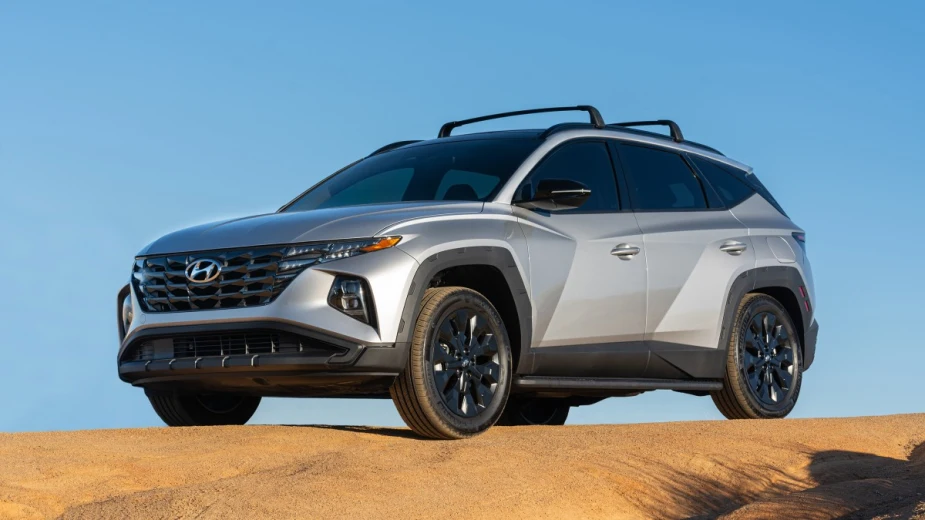
The Tucson earned recognition on both the IIHS and Consumer Reports recommended vehicle lists for teen drivers in 2026, reflecting strong crash-test scores alongside genuinely useful cabin space. Starting price begins near $29,000 for the base SE trim, with hybrid models commanding a modest premium in exchange for noticeably better fuel economy around town.
Comparing All Seven Models At A Glance
| Car | Horsepower | Starting Price | Standout Strength |
| Toyota Corolla | 169-200 hp | $23,125 | Reliability and low ownership cost |
| Honda Civic | 150-200 hp | $25,890 | Durability and resale value |
| Mazda3 | 191-250 hp | $24,650 | Handling and interior quality |
| Hyundai Elantra | 147 hp | $21,870 | Standard driver-assist tech |
| Nissan Sentra | 149 hp | $22,600 | Affordability |
| Subaru Crosstrek | 180-194 hp | $28,415 | All-weather confidence |
| Hyundai Tucson | 187-231 hp | $29,000 | Cabin space for growing families |
Practical Advice For Families Shopping Right Now
Set a firm horsepower ceiling before visiting a dealership, since salespeople often push upgraded trims with more power that don’t actually benefit a new driver’s learning curve.
Request the specific IIHS moderate overlap and side-impact scores rather than relying on a general safety rating, since those two tests best reflect common teen crash patterns.
Compare insurance quotes for the exact trim being considered before finalizing a purchase, since premiums can shift substantially between a base model and a sportier variant of the same car.
Consider a slightly older, well-maintained model year from this same list if budget is tight, since resale value on these seven cars tends to hold steady across recent generations.
Frequently Asked Questions
What is the safest first car for a teenager in 2026?
The Mazda3 and Hyundai Elantra both earned top IIHS and NHTSA ratings for 2026 while including comprehensive standard driver-assistance technology, making either a strong safety-first choice.
Should teens avoid SUVs as a first car?
Not necessarily. Compact SUVs like the Subaru Crosstrek and Hyundai Tucson offer better outward visibility and all-weather traction, though they generally cost more to insure than a comparable sedan.
How much horsepower is too much for a new driver?
Most safety experts recommend staying under roughly 200 horsepower for a first car, since higher output gives an inexperienced driver less margin for error during sudden acceleration.
Is a used car a better choice than a new one for a first-time driver?
Either works well as long as the model year includes standard automatic emergency braking, generally 2019 or newer, since crash-avoidance technology matters more than whether the car is new.
Why do teen drivers pay so much more for car insurance?
Insurers price policies based on statistical risk, and inexperienced drivers historically file claims far more often, which is why choosing a safer, lower-powered car can meaningfully reduce premiums.
Do all these cars come with automatic emergency braking as standard?
Yes, every model featured here includes automatic emergency braking as standard equipment across its entire current trim lineup, not locked behind an expensive optional package.