
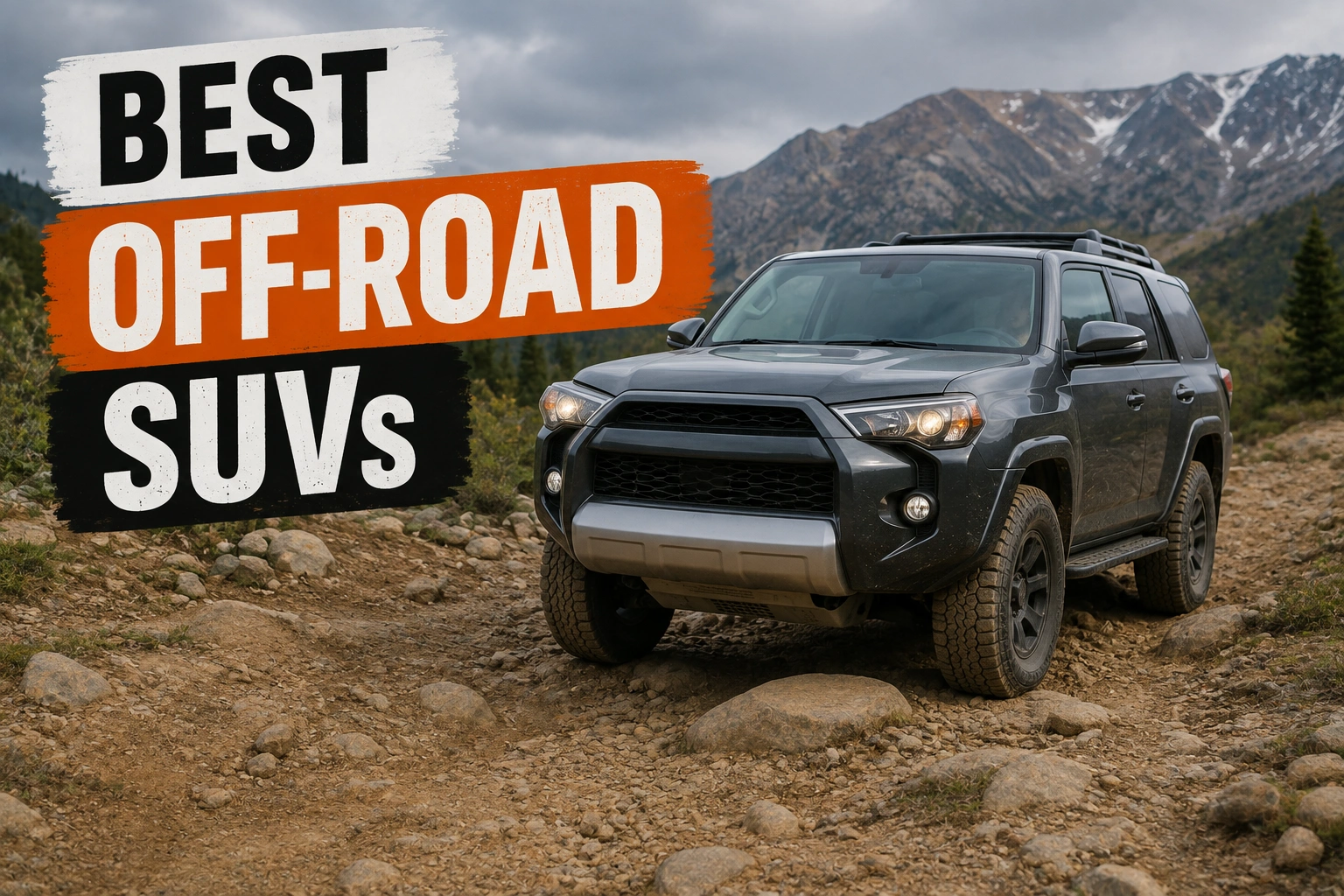
A trail I hike near a friend’s cabin in Colorado ends at a washed-out creek crossing that stops half the vehicles that attempt it. Every fall, the same scene repeats: a lifted truck powers through without hesitation while a soft-roader crossover sits stranded, wheels spinning uselessly in the mud.
That gap between vehicles built for pavement and vehicles built for punishment is exactly what separates a genuine off-roader from a marketing badge. Approach angles, locking differentials, skid plates, and low-range gearing aren’t spec-sheet trivia; they decide whether a weekend trip ends in a campfire story or a tow bill.
This guide covers nine SUVs engineered in 2026 for real trail duty, with honest pricing, hardware breakdowns, and the details that separate genuine capability from a rugged-looking paint job.
What Separates A Real Off-Roader From A Lifted Crossover
Ground clearance grabs attention, but approach, breakover, and departure angles matter more when climbing ledges or crossing ruts. A vehicle can have generous clearance and still scrape its bumper on a steep entry.
Locking differentials force both wheels on an axle to spin at the same speed, sending power to the wheel with grip instead of the one that’s spinning free. Open differentials, by contrast, often leave a vehicle stuck the moment one tire lifts off the ground.
Low-range gearing multiplies torque at the wheels for crawling over rocks at walking speed. Without it, a driver either rides the brake constantly or risks losing control on a steep descent.
Solid axles and heavy-duty suspension components hold up to repeated flex and impact better than most independent setups. That’s a major reason body-on-frame construction still dominates this segment.
Reading Trail Ratings Before You Buy
Water fording depth tells drivers how deep a crossing can go before electrical components and air intakes start taking on water. Numbers above 30 inches generally signal serious engineering behind the badge.
Skid plates protect the fuel tank, transfer case, and oil pan from rocks and stumps. Factory-installed plates on the strongest trims usually beat anything bolted on aftermarket for fitment and durability.
Tire size directly affects both clearance and traction, and factory-fitted all-terrain rubber in the 33 to 37-inch range separates serious trail trims from street-focused siblings wearing the same badge.
Drive mode selectors calibrated for sand, mud, rock, and snow adjust throttle response, traction control, and transmission behavior automatically. A vehicle offering several distinct modes usually reflects genuine engineering investment rather than a single generic setting.
The 9 Best Off-Road SUVs In 2026
1. Jeep Wrangler Rubicon
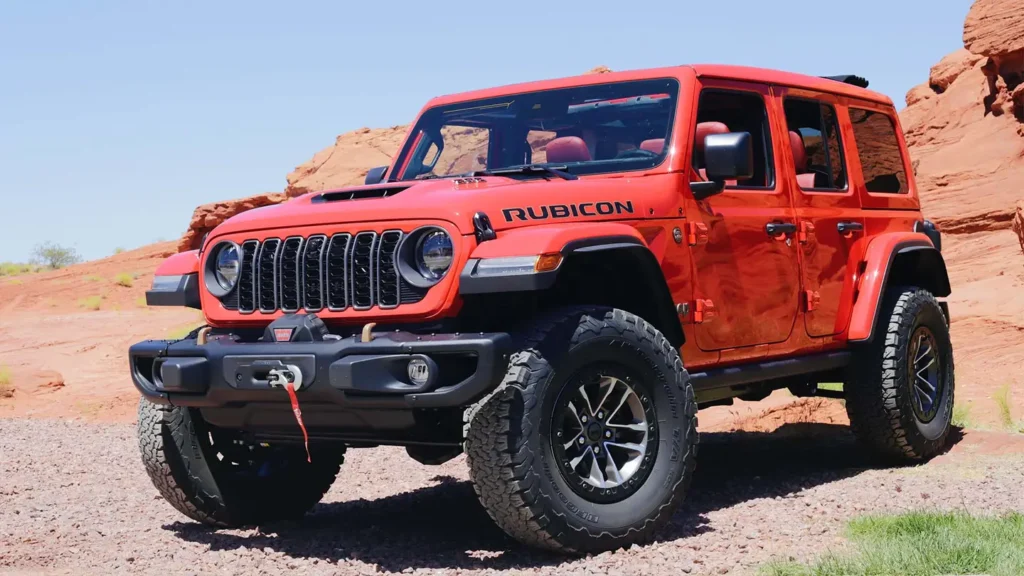
Few nameplates carry the trail credibility the Wrangler has built over decades, and the Rubicon trim remains the benchmark other automakers measure themselves against.
Power comes from a 3.6-liter V6 producing 285 horsepower, paired with a 6-speed manual standard or an optional 8-speed automatic and Rock-Trac 4×4 with a 4:1 low-range ratio.
Electronic front and rear locking differentials, a disconnecting sway bar, and heavy-duty Dana 44 axles give the Rubicon genuine rock-crawling ability straight from the factory floor.
| Trim | Ground Clearance | Water Fording | Starting Price |
| Rubicon | 10.8 inches | 34 inches | $49,270 |
| Rubicon X | 10.8 inches | 34 inches | $57,320 |
Approach, breakover, and departure angles all rank among the best in the segment, and 33-inch tires come standard with room to fit 35-inch rubber.
2. Ford Bronco Badlands
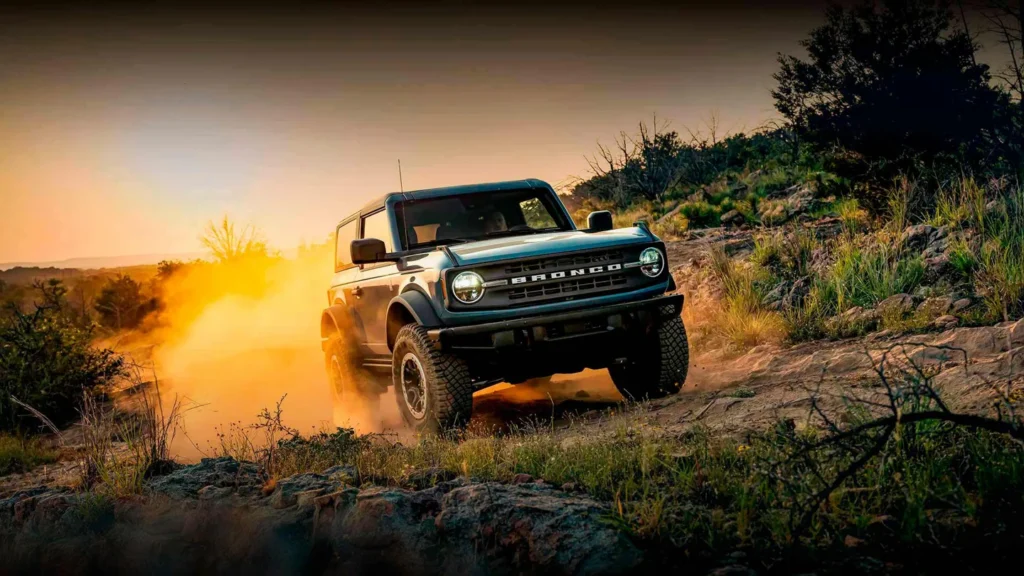
The Badlands trim sits near the top of the Bronco lineup, adding serious off-road hardware without pushing into the extreme pricing of the desert-focused Raptor.
Standard power comes from a 2.3-liter EcoBoost inline-four making 300 horsepower, while an optional 2.7-liter EcoBoost V6 bumps output to 330 horsepower and 415 lb-ft of torque.
Seven G.O.A.T. Modes adjust the drivetrain for terrain ranging from mud and ruts to rock crawling, while available front and rear locking differentials plus a disconnecting front sway bar rival the Wrangler’s hardware list.
| Configuration | Engine | Cargo Space | Starting Price |
| 4-Door I4 | 2.3L EcoBoost | 83 cu ft | $56,660 |
| 4-Door V6 | 2.7L EcoBoost | 83 cu ft | $74,345 |
A full-size spare tire and available Sasquatch off-road package with 35-inch tires make the Badlands a strong pick for drivers who want daily comfort alongside genuine trail chops.
3. Toyota 4Runner TRD Pro
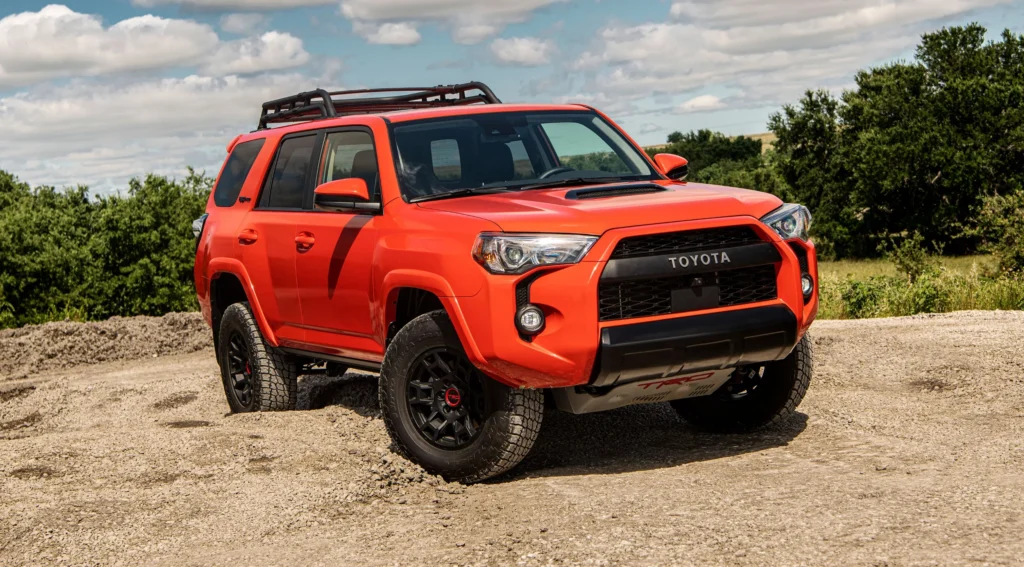
Toyota’s flagship trail SUV moved to a turbocharged hybrid powertrain for its latest generation, and the TRD Pro trim pairs that system with genuine FOX internal-bypass shocks tuned specifically for repeated impacts.
The hybrid four-cylinder setup delivers noticeably stronger output than the outgoing V6 while still returning around 23 mpg combined, a rare pairing of capability and efficiency in this class.
Crawl Control acts like off-road cruise control at low speeds, letting the driver focus entirely on steering while the system manages throttle and braking over obstacles.
| Trim | Powertrain | Fuel Economy | Starting Price |
| SR5 | Gas 4-cyl | N/A | $43,365 |
| TRD Off-Road Hybrid | Turbo Hybrid | 23 mpg combined | $54,585 |
| TRD Pro | Turbo Hybrid | 23 mpg combined | $68,200 |
Built on the same platform underpinning the Tacoma and Land Cruiser, the 4Runner benefits from Toyota’s reputation for mechanical longevity even under repeated trail abuse.
4. Toyota Land Cruiser
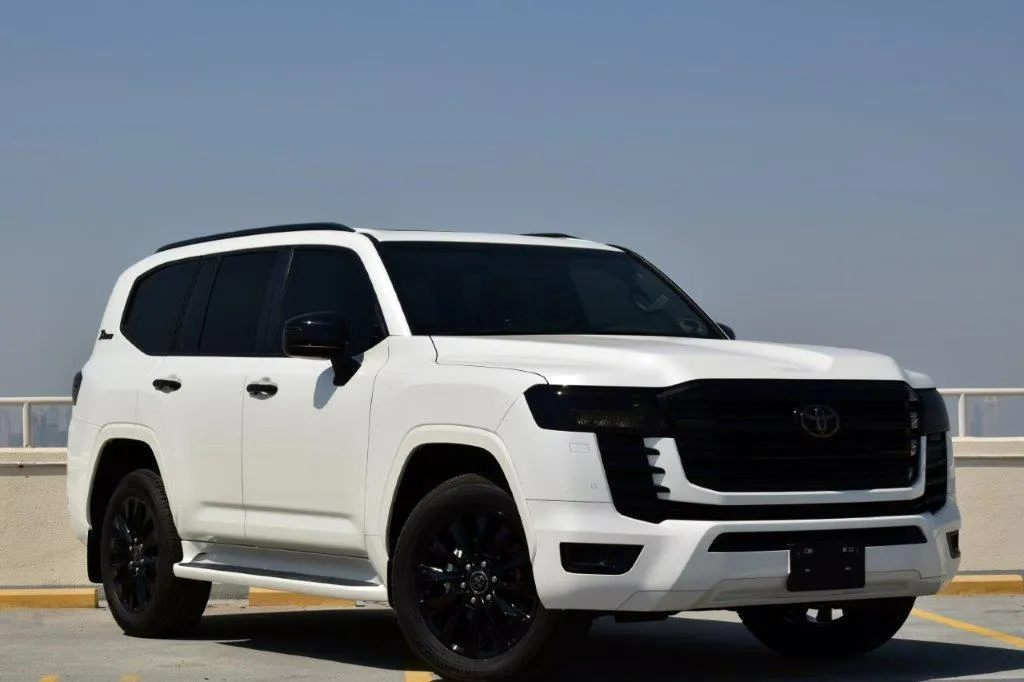
Toyota’s smaller, more focused Land Cruiser returned to the US lineup with a simplified two-trim structure and hardware that punches well above its price point.
A 2.4-liter turbo-hybrid i-FORCE MAX system produces 326 horsepower and 465 lb-ft of torque, paired with an 8-speed automatic, full-time four-wheel drive, and a standard locking rear differential.
Ride quality stands out as unusually composed for a body-on-frame off-roader, and outward visibility benefits from the tall, upright greenhouse that defines the model’s retro-inspired design.
| Trim | Headlight Style | Fuel Economy | Starting Price |
| 1958 | Round LED | 23 mpg combined | $58,650 |
| Land Cruiser | Rectangular LED | 23 mpg combined | $63,540 |
A two-speed transfer case and center locking differential come standard on both trims, giving buyers genuine capability without hunting through expensive option packages.
5. Lexus GX 550
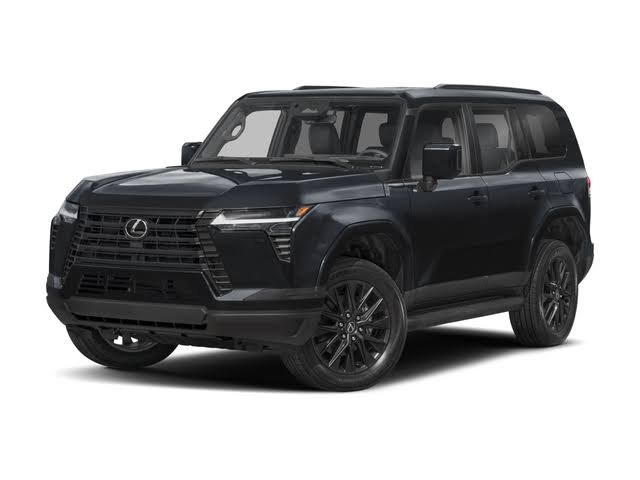
Sharing its platform with the Land Cruiser, the GX 550 wraps the same rugged bones inside a noticeably more upscale cabin with nicer materials throughout.
A twin-turbocharged 3.4-liter V6 produces 349 horsepower and 479 lb-ft of torque, and towing capacity reaches an impressive 9,000 pounds, well beyond most rivals in this class.
The Overtrail trim adds off-road-specific hardware including a locking center differential and reinforced underbody protection, while standard Lexus Safety System 3.0+ covers the daily-driving side of ownership.
| Trim | Configuration | Max Towing | Starting Price |
| Premium | 4WD | 9,000 lbs | $66,935 |
| Premium+ | 4WD | 9,000 lbs | $70,800 |
| Overtrail | 4WD, 2-row | 9,000 lbs | $76,500 |
| Luxury+ | 4WD | 9,000 lbs | $84,200 |
Fuel economy sits around 17 mpg combined, a fair tradeoff for the smoother, quieter drivetrain compared to the Land Cruiser’s hybrid four-cylinder.
6. Land Rover Defender
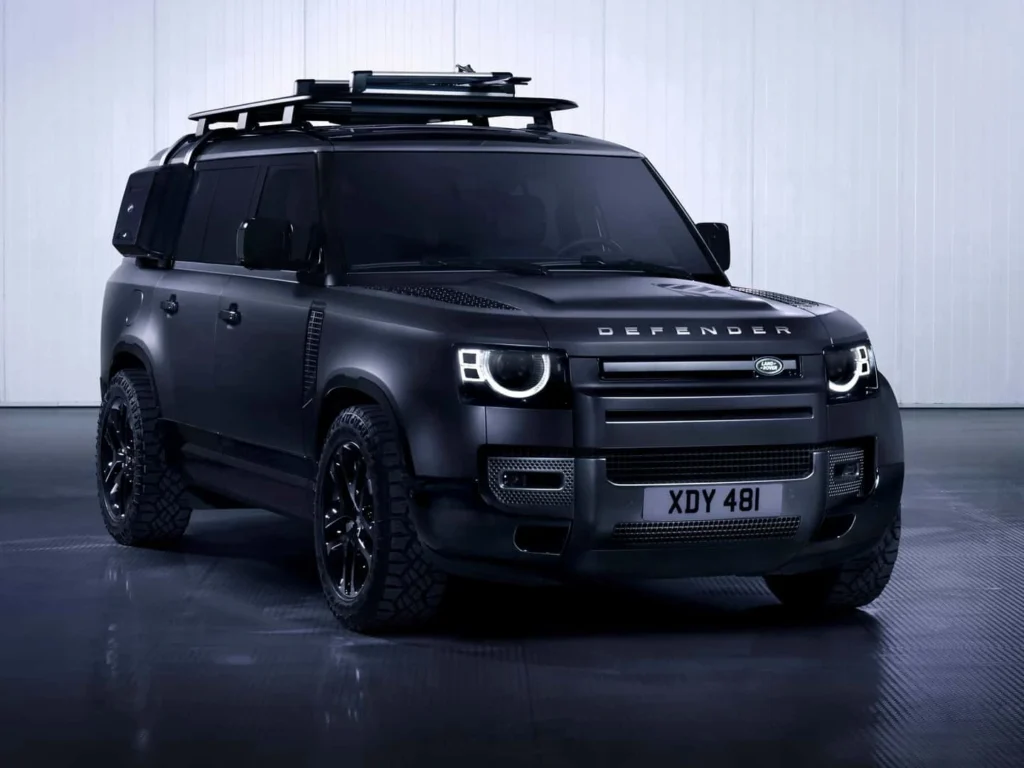
Few SUVs pair genuine off-road engineering with interior refinement as convincingly as the Defender, which spans a wide range of engine choices depending on trail ambitions.
Powertrain options run from turbocharged four- and six-cylinder units through a supercharged V8, giving buyers a spread of performance and pricing rarely seen under one nameplate.
Air suspension raises ride height for extra clearance on demand, while a two-speed transfer case and configurable Terrain Response system tailor the drivetrain to mud, sand, rock, or snow automatically.
Pricing starts in the mid-$60,000s for the entry four-cylinder configuration and climbs past $90,000 for V8-powered models loaded with off-road packages. Fuel economy lands around 18 mpg city and 23 mpg highway, competitive against similarly capable rivals in this segment.
7. Mercedes-Benz G-Class G 550
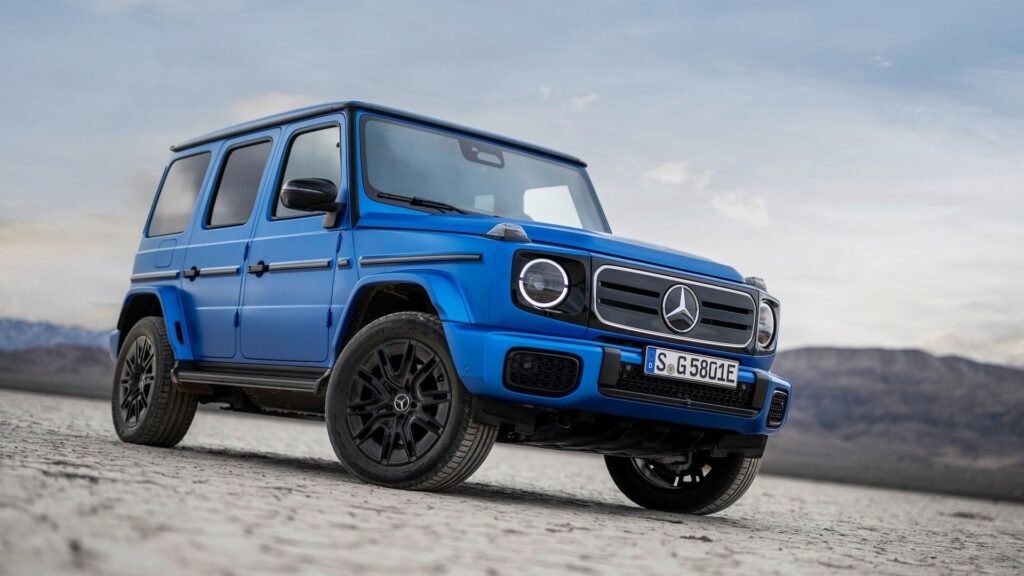
The G-Class carries a reputation as much for prestige as trail ability, but underneath the polished sheet metal sits genuine mechanical hardware that backs up the badge.
A 3.0-liter turbocharged inline-six with mild-hybrid assistance produces 443 horsepower and 413 lb-ft of torque, a notable jump over the outgoing biturbo V8 it replaced.
Three locking differentials, front, center, and rear, give the G-Class genuine crawling ability that few luxury SUVs even attempt to match, alongside a proper low-range transfer case.
Starting price lands around $143,000, positioning it firmly among the most expensive vehicles in this guide. Fuel economy averages roughly 17 mpg city and 19 mpg highway, a figure buyers accept in exchange for unmatched presence and genuine trail hardware.
8. INEOS Grenadier
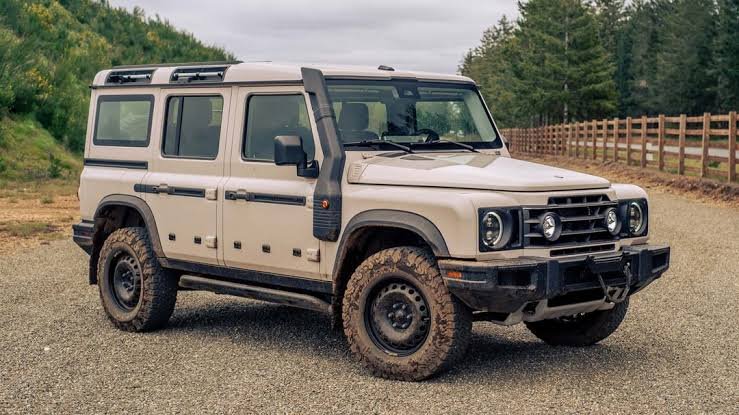
Built by the company behind Ineos chemicals, the Grenadier channels classic Land Rover Defender engineering into a modern, purpose-built expedition vehicle rather than a lifestyle crossover.
A BMW-sourced turbocharged 3.0-liter inline-six produces 282 horsepower and 332 lb-ft of torque, paired with permanent four-wheel drive and a traditional ladder-frame chassis.
Locking center, front, and rear differentials come available together, a rare combination that puts the Grenadier’s hardware list ahead of most rivals regardless of price point.
Pricing runs close to $80,000 when comparably equipped against rivals like the Lexus GX Overtrail. Fuel economy sits around 15 mpg combined, reflecting the boxy shape and heavy-duty mechanical components prioritized over efficiency.
9. Subaru Forester Wilderness
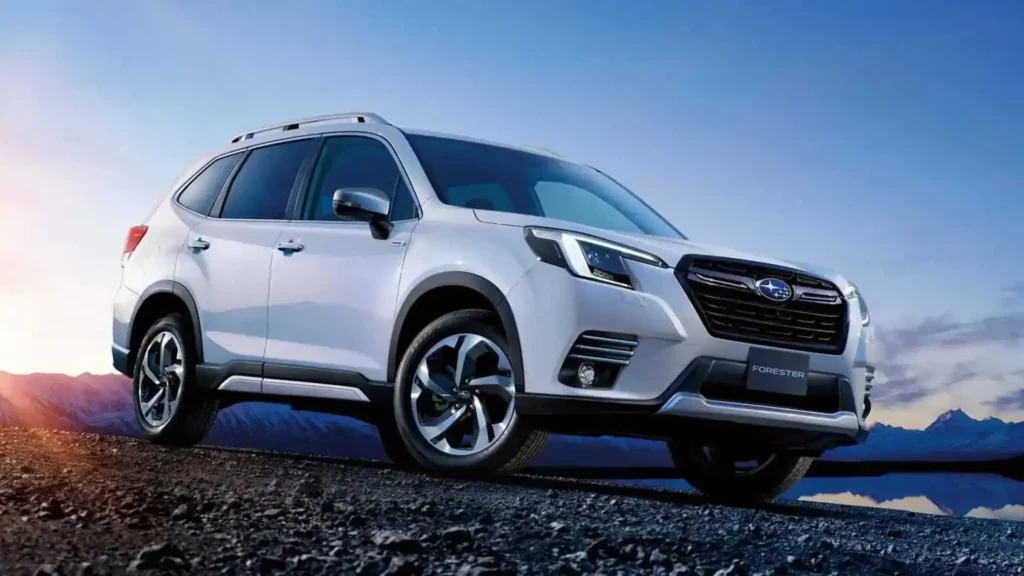
Not every trail requires a body-on-frame chassis, and the Forester Wilderness proves a well-engineered crossover can handle moderate off-road duty at a fraction of the cost.
Ground clearance climbs to 9.3 inches on the Wilderness trim, up from the standard Forester’s 8.7 inches, giving extra breathing room over rocks and ruts.
Dual-function X-Mode adds a Snow/Dirt setting alongside a Deep Snow/Mud mode, automatically managing wheel spin and engaging Hill Descent Control without driver input.
The 2.5-liter Boxer engine produces 180 horsepower, paired with a CVT that includes manual paddle-shift ratios for steeper descents. Starting price lands near $39,451 for the Wilderness trim, making it the most accessible entry point in this entire lineup.
Comparing All Nine Models At A Glance
| SUV | Ground Clearance | Starting Price | Standout Strength |
| Jeep Wrangler Rubicon | 10.8 inches | $49,270 | Rock-crawling hardware |
| Ford Bronco Badlands | 8.5+ inches | $56,660 | Balanced daily comfort |
| Toyota 4Runner TRD Pro | 9.3+ inches | $68,200 | Factory suspension tuning |
| Toyota Land Cruiser | 8.7 inches | $58,650 | Everyday drivability |
| Lexus GX 550 | 8.1+ inches | $66,935 | Luxury and towing |
| Land Rover Defender | Adjustable air suspension | Mid $60,000s | Terrain versatility |
| Mercedes G-Class G 550 | 9.5 inches | $143,000 | Prestige and lockers |
| INEOS Grenadier | 9.3 inches | Near $80,000 | Mechanical simplicity |
| Subaru Forester Wilderness | 9.3 inches | $39,451 | Budget accessibility |
Getting Trail-Ready Before The First Real Drive
Airing down tires to roughly 18 to 22 psi on rocky or sandy trails increases the contact patch and noticeably improves traction without any mechanical modification.
Practice engaging low range and locking differentials in a controlled area before relying on them for the first time on an actual obstacle. Muscle memory matters when a trail gets steep.
Carry a basic recovery kit, including a rated tow strap, traction boards, and a shovel, even on short trips. Conditions change fast, and short trails still swallow vehicles regularly.
Check departure angle carefully when planning steep descents, since a scraped bumper or exhaust tip often happens on the way down rather than the climb up.
Frequently Asked Questions
Which SUV offers the best rock-crawling ability in 2026?
The Jeep Wrangler Rubicon remains the benchmark thanks to its electronic locking differentials, disconnecting sway bar, and best-in-class approach and departure angles straight from the factory.
Is a body-on-frame SUV always better for off-roading than a crossover?
Not always. Body-on-frame construction generally handles repeated impact and articulation better, but crossovers like the Forester Wilderness handle moderate trails confidently at a much lower price.
Do hybrid off-road SUVs sacrifice trail capability for fuel economy?
No, models like the Toyota 4Runner TRD Pro and Land Cruiser prove hybrid systems can deliver strong low-end torque for climbing while returning meaningfully better fuel economy than gas-only rivals.
What is the difference between all-wheel drive and four-wheel drive for off-roading?
Four-wheel drive typically includes a low-range gear set for serious trail work, while all-wheel drive systems, common on crossovers, prioritize on-road traction without the same mechanical crawling ability.
How much should a first-time off-road SUV buyer expect to spend?
Capable entry points like the Subaru Forester Wilderness start near $39,000, while dedicated trail machines like the Wrangler Rubicon and Bronco Badlands generally run between $49,000 and $75,000 depending on options.
Are locking differentials necessary for casual weekend trail driving?
Not always, but they become valuable once trails include steep, uneven, or slippery sections where one wheel is likely to lose contact with the ground and spin freely without added traction control.