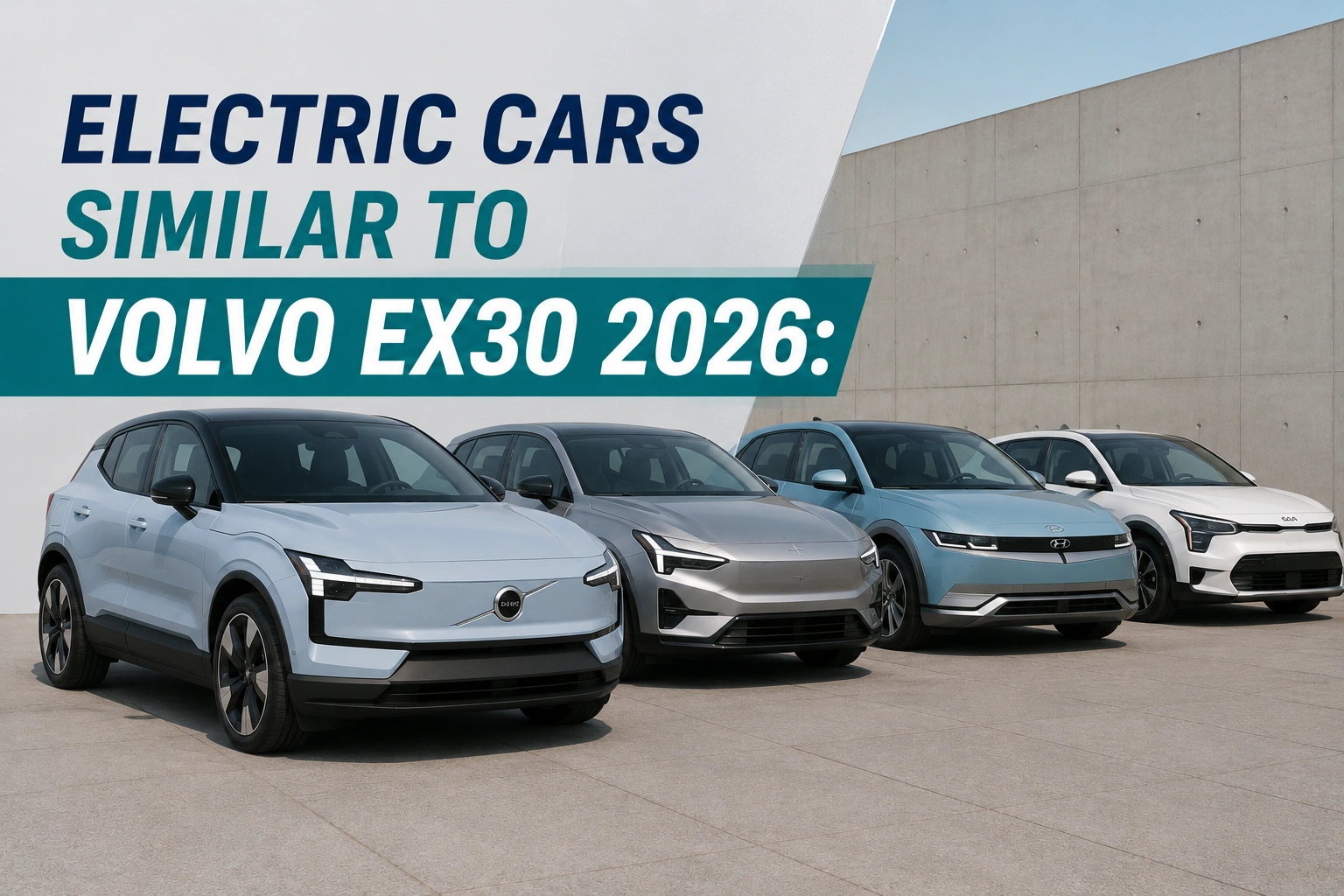
The Volvo EX30 arrived as something genuinely unexpected — a Scandinavian luxury electric SUV that was also the fastest Volvo ever made, packaged into a body smaller than a Corolla and priced below $50,000.
It offered 422 horsepower, 0–60 mph in 3.4 seconds, minimalist design, sustainable interior materials, and a 26.5-minute fast charge window. For a lot of buyers, that combination was difficult to argue with. Now that Volvo has confirmed the EX30 will be discontinued in the US market after the 2026 model year, the natural question is what fills that space.
The good news is the compact electric SUV segment has never been more competitive. Several vehicles currently available — and one significant new arrival — match or exceed what the EX30 offered across the areas that actually matter to daily life: range, practicality, technology, and price.
Understanding What Made The Volvo EX30 Special
The EX30 At A Glance: 2026 Specifications
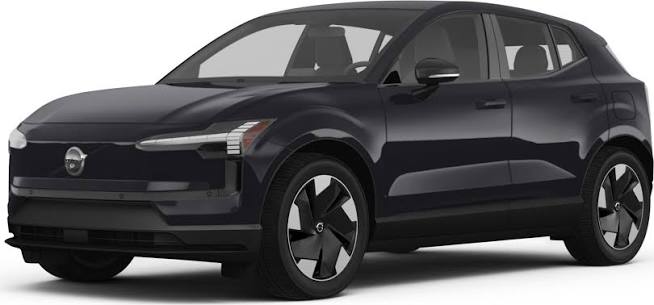
Before looking at alternatives, knowing exactly what the EX30 offers in its final year helps frame the comparison correctly.
- Model Year: 2026
- Starting MSRP: $38,950 (Single Motor Extended Range Plus); $40,650 (Ultra); $48,150 (Cross Country Ultra)
- Powertrain Options: Single Motor Rear-Wheel Drive (Extended Range) / Twin Motor AWD (Performance)
- Single Motor Power: 268 hp | 253 lb-ft torque
- Twin Motor Power: 422 hp | 0–60 mph: 3.4 seconds
- Battery: 69 kWh (usable)
- EPA Range: 261 miles (Single Motor) | 253 miles (Twin Motor)
- DC Fast Charging: 10–80% in 26.5 minutes (peak: 153 kW)
- Ground Clearance: 7.0 inches (7.75 inches on Cross Country)
- Cargo Space: 12.4 cu-ft (seats up) | 27.8 cu-ft (seats folded)
- Safety: 5-star Euro NCAP; standard blind-spot monitoring, AEB with cyclist and pedestrian detection, adaptive cruise control
- Infotainment: 12.3-inch touchscreen; wireless Apple CarPlay and Android Auto; Google-based interface
- Warranty: 4-year/50,000-mile basic; 8-year/100,000-mile battery
- Assembly: Ghent, Belgium (2026 models)
The EX30’s core strengths are clear: fast charging, strong performance in the twin-motor configuration, Scandinavian design, and a smaller footprint that works well in urban parking. Its limitations are equally clear: the 12.4 cubic feet of cargo space with seats up is genuinely tight — less than a Toyota Corolla’s trunk — and rear passenger room is restricted enough that adults on longer trips will feel it.
The cars below address those limitations while preserving the qualities that made the EX30 worth considering.
The Best Electric Cars Similar To The Volvo EX30
1. Hyundai Kona Electric — The Closest All-Round Match
- Model Year: 2025–2026
- Starting MSRP: Approximately $33,550 (SE) — $44,000+ (Limited)
- Battery Options: 48.4 kWh (Standard Range) | 64.8 kWh (Long Range)
- Motor: Single front-mounted motor — 201 hp / 188 lb-ft
- EPA Range: 200 miles (Standard) | 261 miles (Long Range)
- 0–60 mph: Approximately 7.0 seconds
- DC Fast Charging: 10–80% in approximately 41 minutes (72 kW peak)
- Cargo Space: 25.5 cu-ft (seats up) | 63.7 cu-ft (seats folded)
- Ground Clearance: 5.9 inches
- Rear Legroom: 36.4 inches
- Safety: IIHS Top Safety Pick+
- Infotainment: Dual 12.3-inch displays; wireless CarPlay and Android Auto
- Warranty: 5-year/60,000-mile basic; 10-year/100,000-mile powertrain; 8-year/100,000-mile battery
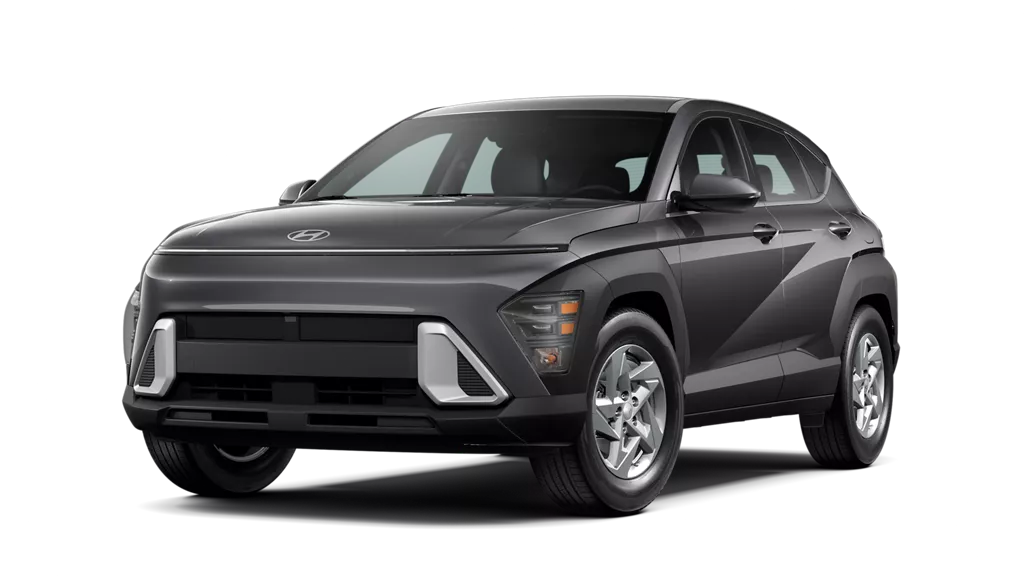
The Hyundai Kona Electric is one of the most well-rounded replacements for the EX30, blending practicality with modern design and a surprisingly upscale interior. The latest Kona Electric features a 64.8-kWh battery paired with a single electric motor producing 201 horsepower.
The Kona Electric is a more practical proposition than the EX30 by a clear margin. Its 25.5 cubic feet of cargo space with seats up is more than double the EX30’s 12.4, and rear legroom at 36.4 inches is meaningfully more generous.
The Hyundai Kona Electric is a great all-rounder, with its most notable selling point being the impressive range. It’ll do up to 319 miles on a charge, almost 25 miles more than the EX30 can manage.
The interior redesign introduced in the current generation brought genuine quality improvement. The redesigned Kona Electric provides an impressive tech set with its dual 12.3-inch displays — one for the digital instrument cluster and one for infotainment.
Wireless Apple CarPlay and Android Auto are included, along with available features like a head-up display and a premium audio system.
Where the Kona Electric trails the EX30 is acceleration — 7.0 seconds to 60 mph versus the EX30’s 3.4 in twin-motor form — and charging speed, where the Kona’s 41-minute fast charge window is noticeably slower than the EX30’s 26.5 minutes.
For buyers who prioritise practicality, range, and warranty length over outright straight-line speed, the math strongly favours the Kona.
| Spec | Hyundai Kona Electric | Volvo EX30 (Base) |
| Starting Price | ~$33,550 | $38,950 |
| EPA Range (best) | 261 miles | 261 miles |
| Cargo (seats up) | 25.5 cu-ft | 12.4 cu-ft |
| 0–60 mph | ~7.0 sec | 5.1 sec (single) |
| Fast Charge | ~41 min (10–80%) | 26.5 min (10–80%) |
| Warranty | 10-yr/100k powertrain | 4-yr/50k basic |
2. Kia EV3 — The Range And Value Leader
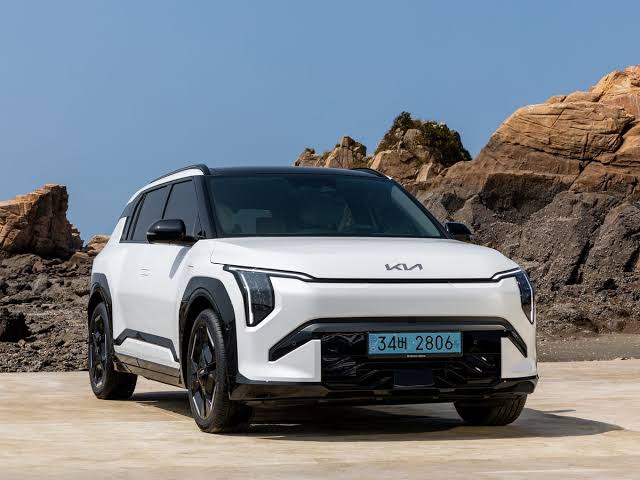
- Model Year: 2026 (US arrival confirmed for late 2026)
- Starting MSRP: Approximately $35,000 (Standard Range) — $50,000+ (Long Range GT-Line)
- Battery Options: 58.3 kWh (Standard Range) | 81.4 kWh (Long Range)
- Motor: 201 hp / 213 lb-ft (single front motor, all variants)
- WLTP Range: 270 miles (Standard) | 375 miles (Long Range) — EPA estimates expected around 300+ miles for Long Range
- 0–60 mph: Approximately 7.4 seconds
- DC Fast Charging: 10–80% in 31 minutes (100 kW peak on Standard; 129 kW peak on Long Range)
- Cargo Space: 460 liters (approximately 16.2 cu-ft) behind rear seats
- Platform: Hyundai Motor Group E-GMP (400V architecture)
- Infotainment: 30-inch widescreen panoramic display (dual 12.3-inch screens + 5-inch climate panel integrated)
- Notable Feature: Built-in Generative AI Assistant; i-Pedal 3.0; V2L (Vehicle-to-Load) capability; sliding center console table
- Safety: 5-star ANCAP rating; full suite of ADAS systems standard
- Warranty: 7-year/100,000-mile vehicle; 8-year/100,000-mile battery
The Kia EV3 won the 2025 World Car of the Year award in global markets and the 2026 What Car? Small Electric SUV of the Year — the same award the EX30 had previously held — which makes it the most direct philosophical successor in terms of critical recognition.
For £35,995 you can buy the long-range version of the EV3, capable of a claimed 375 miles — both more range and less money than any direct rival.
The EV3’s design philosophy shares important values with the EX30. Both use sustainable and recycled interior materials. Both feature minimalist dashboard design with reduced physical controls. The EV3’s triple-screen panel, light color scheme, dynamic mood lighting system, and metallic textures convey a high-tech and sophisticated image.
The EV3 is one of the smallest cars in this group, but it doesn’t look or feel like it. The chunky bodywork gives it road presence, while the smart interior layout benefits passenger space.
Unlike the Kona and the Mini Countryman, the EV3 is only available with an electric powertrain. As such, its platform isn’t compromised by the need to fit an engine, exhaust and fuel tank on board.
The EV3’s key advantages over the EX30 are range — particularly on the Long Range model — price, and cargo practicality. Its V2L capability (powering external devices from the car’s battery) is a genuine lifestyle feature the EX30 does not offer.
Where it loses points is straight-line speed: at 7.4 seconds to 60 mph, the EV3 is considerably slower than even the EX30’s single-motor configuration. For buyers who prioritise efficiency and utility over performance, this trade-off is entirely acceptable.
3. MINI Countryman Electric (SE ALL4) — The Personality Match
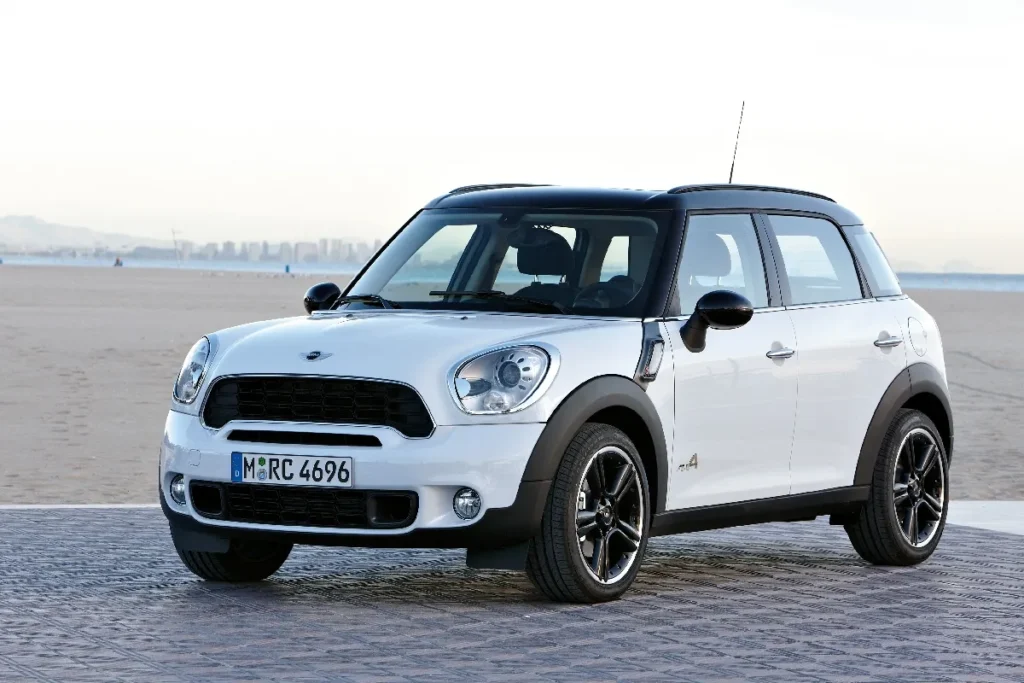
- Model Year: 2025–2026 (third generation, redesigned 2024)
- Starting MSRP: Approximately $38,750 (Countryman SE ALL4)
- Battery: 64.7 kWh (usable)
- Motor: Dual motor all-wheel drive — 313 hp / 296 lb-ft combined
- EPA Range: Approximately 212 miles
- 0–60 mph: 5.6 seconds (SE ALL4)
- DC Fast Charging: 10–80% in approximately 29 minutes (130 kW peak)
- Cargo Space: 17.4 cu-ft (seats up) | 46.5 cu-ft (seats folded)
- Ground Clearance: 7.4 inches — highest in the comparison group
- Infotainment: 9.4-inch circular OLED display (MINI Operating System 9); wireless CarPlay and Android Auto
- Personalisation: 31 exterior colour options, contrast roof options, multiple interior themes
- Safety: IIHS Top Safety Pick; 5-star Euro NCAP
- Warranty: 4-year/50,000-mile basic; 8-year/80,000-mile battery
The MINI Countryman Electric is the most direct personality match for the EX30 in this comparison group. Both cars are priced within $1,000 of each other at base trim, both offer a premium brand association that mainstream competitors cannot match, and both prioritise character and design over maximum practicality.
The MINI Countryman’s DC fast charging capability allows it to replenish its battery from 10% to 80% in 29 minutes, relatively close to the EX30’s 26.5 minutes.
The Countryman’s circular OLED display and the extensive personalisation programme — with 31 exterior colours, contrast roof options, and interior colour themes — offer a level of individual expression that the EX30 approaches but does not fully match. For buyers whose decision factors include standing out from every other car on the road, the Countryman’s configurator breadth is genuinely useful.
The EX30 beats the Countryman on EPA range — 261 miles versus 212 — and on charging speed (26.5 minutes versus 29 minutes). The Countryman’s 7.4 inches of ground clearance actually edges the standard EX30’s 7.0 inches, though the EX30 Cross Country at 7.75 inches edges back ahead. Cargo space is similarly tight in both vehicles, reflecting the shared priority of silhouette over load volume.
| Spec | MINI Countryman Electric | Volvo EX30 (Twin Motor) |
| Price (base) | ~$38,750 | ~$46,600 (twin AWD Plus) |
| EPA Range | ~212 miles | 253 miles |
| Power | 313 hp AWD | 422 hp AWD |
| 0–60 mph | 5.6 seconds | 3.4 seconds |
| Cargo (up) | 17.4 cu-ft | 12.4 cu-ft |
| Ground Clearance | 7.4 inches | 7.0 inches |
4. Skoda Elroq — The Space And Value Proposition
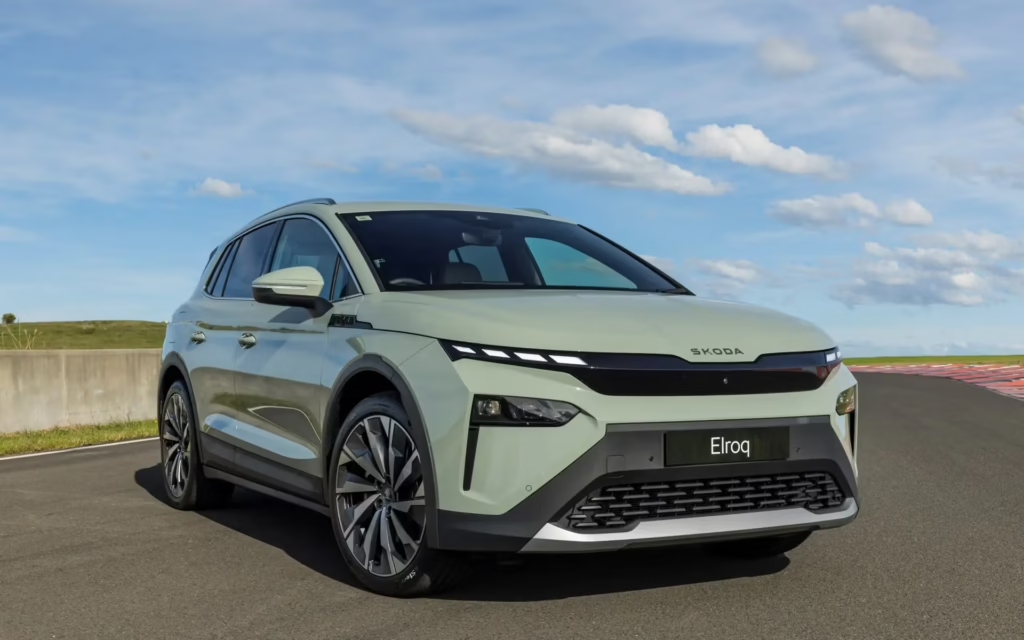
- Model Year: 2025–2026 (launched 2024 globally)
- Starting MSRP: Approximately $33,970 (UK: £33,970); approximately $35,000 equivalent in anticipated US pricing
- Battery Options: 59 kWh | 77 kWh | 82 kWh depending on variant
- Motor Options: Rear-wheel drive (150 kW / 201 hp) on base; AWD available on top trim (210 kW / 282 hp)
- EPA-equivalent Range: 263–355 miles depending on variant and wheel size
- 0–60 mph (base): Approximately 8.7 seconds | vRS variant: 5.4 seconds
- DC Fast Charging: 10–80% in approximately 25 minutes (175 kW peak on top variants)
- Cargo Space: 470 liters (approximately 16.6 cu-ft) — beats Kia EV3 and MINI Countryman; far exceeds EX30
- Platform: Volkswagen Group MEB
- Infotainment: 13-inch touchscreen; 5-inch driver display; wireless CarPlay and Android Auto
- Safety: Multiple Euro NCAP 5-star ratings across variants
- Warranty: 7-year/unlimited-km; 8-year/160,000 km battery (markets vary)
The Elroq is both the cheapest and the largest car here, making it excellent value. Every car in this group has its merits — the Elroq is comfortable, the ride is composed and it feels nimble because it doesn’t feel as tall as many SUVs.
The Skoda Elroq’s platform — Volkswagen’s proven MEB architecture — gives it a maturity and refinement that newer proprietary platforms sometimes lack in their first generation. The Elroq handles well for an electric SUV.
It doesn’t feel as tall as many SUVs, and feels more nimble because of it, with plenty of grip and neat body control helping it deal with quick changes of direction.
The Elroq is not currently on sale in the US market as a standalone offering, but the MEB platform underpins several Volkswagen Group products already available including the Volkswagen ID.4.
For buyers in Europe and Australia, the Elroq represents arguably the strongest all-around case against the EX30: more cargo room, broader range of battery options, faster DC charging on upper trims, and a lower starting price. The 175 kW peak charging speed on the top Elroq variant actually exceeds the EX30’s 153 kW, bringing 10–80% down to approximately 25 minutes.
5. Smart #1 (Brabus) — The Technical Twin With More Space
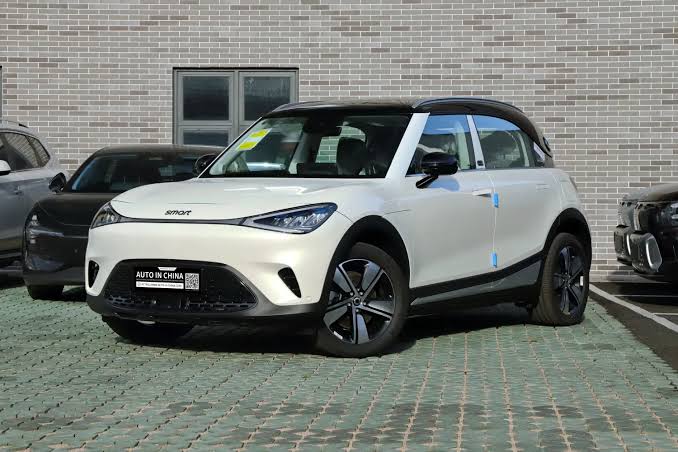
- Model Year: 2025–2026
- Starting MSRP: Approximately $37,000 (Smart #1 Pro+) — $55,000+ (Brabus)
- Battery: 66 kWh (usable)
- Motor Options: RWD 272 hp (Pro+/Premium) | AWD 428 hp (Brabus)
- Range: Approximately 273 miles (WLTP, Pro+) | 239 miles (WLTP, Brabus AWD)
- 0–60 mph: 6.7 seconds (Pro+) | 3.9 seconds (Brabus AWD)
- DC Fast Charging: 10–80% in approximately 30 minutes (150 kW peak)
- Cargo Space: 273 liters behind rear seats — more than EX30 but still compact
- Rear Seat Space: More rear legroom than the EX30, which is its single most important packaging advantage
- Infotainment: 12.8-inch central touchscreen; 9.2-inch driver display; Beats audio standard on Premium
- Notable Connection: Smart #1 shares its Geely SEA architecture with the Volvo EX30
The Smart #1 is possibly the most directly comparable vehicle to the EX30 on this list, and the reason is structural: The Smart #1 shares a lot of parts with the Volvo EX30 under the skin. It has a more stylish interior than its Swedish counterpart though, and the rear seats are more spacious.
Both cars are built on Geely’s Sustainable Experience Architecture (SEA), which means identical battery chemistry, similar charging architecture, and closely related suspension geometry.
The differences are primarily in packaging decisions and brand positioning. Smart chose to give the #1 more rear cabin volume, sacrificing some cargo volume to do so, which makes it a better choice for rear passengers while the EX30 serves front occupants more generously.
The Brabus variant of the Smart #1 is the performance answer to the EX30 Twin Motor: 428 hp versus 422 hp, with a 0–60 time of approximately 3.9 seconds versus the EX30’s 3.4.
The performance gap is marginal enough that real-world feel would be nearly indistinguishable. The Brabus commands a significant price premium over the EX30’s twin-motor variants, making the comparison more nuanced than a straight substitution.
Side-By-Side Comparison: All Five Alternatives
| Model | Price (Start) | EPA/WLTP Range | Power | 0–60 | Cargo (up) | Charge Speed |
| Volvo EX30 2026 | $38,950 | 261 miles | 268/422 hp | 5.1/3.4 sec | 12.4 cu-ft | 26.5 min |
| Hyundai Kona Electric | ~$33,550 | 261 miles | 201 hp | ~7.0 sec | 25.5 cu-ft | ~41 min |
| Kia EV3 (Long Range) | ~$35,000–$50,000 | 300+ miles (EPA est.) | 201 hp | ~7.4 sec | ~16.2 cu-ft | 31 min |
| MINI Countryman Electric | ~$38,750 | ~212 miles | 313 hp AWD | 5.6 sec | 17.4 cu-ft | 29 min |
| Skoda Elroq | ~$33,970 | 263–355 miles | 201–282 hp | 6.6–8.7 sec | ~16.6 cu-ft | 25 min |
| Smart #1 (Brabus) | ~$37,000–$55,000 | 239–273 miles | 272–428 hp | 3.9–6.7 sec | ~9.6 cu-ft | 30 min |
How To Choose Between Them
Match The Car To What You Actually Use It For
The EX30’s replacement depends almost entirely on which of its qualities you valued most. If the twin-motor performance was the draw — 422 hp, 3.4 seconds to 60 mph — the Smart #1 Brabus is the closest match by architecture and performance output. If the Scandinavian design language and premium feel at a relatively accessible price were the appeal, the MINI Countryman offers comparable brand positioning with more personalisation options and greater ground clearance.
If the practical daily-use case matters most — carrying more than one large bag, comfortably seating rear passengers, maximising range for longer trips — the Hyundai Kona Electric and the Kia EV3 Long Range are the honest answers. The Kona is available today; the EV3 Long Range’s 300+ miles of EPA-estimated range is the strongest card in the segment.
The Charging Speed Angle Nobody Mentions Enough
The EX30’s 26.5-minute 10–80% charge window on a DC fast charger is one of its least-discussed but most practically significant attributes. The EX30 features Level 3/DC fast-charging capability, which allows it to replenish its battery from 10% to 80% in just 26.5 minutes, making it the quickest charger in this comparison. The MINI follows relatively closely at 29 minutes to reach 80%, while the Kia Niro EV and Kona Electric require significantly longer times.
The Skoda Elroq’s 175 kW peak charging on upper variants actually brings it to a 25-minute 10–80% window — faster than the EX30. The Smart #1 matches the EX30 closely at 30 minutes. For buyers doing regular long-distance trips, this difference between 25–30 minutes and 40+ minutes accumulates meaningfully across a year of use.
FAQs
What electric cars are similar to the Volvo EX30?
The closest alternatives to the Volvo EX30 are the Hyundai Kona Electric, Kia EV3, MINI Countryman Electric, Skoda Elroq, and Smart #1. The Smart #1 is the most technically similar because it shares the same Geely SEA platform as the EX30. The Hyundai Kona Electric offers the most practical upgrade in cargo space and range at a lower starting price. The Kia EV3 Long Range delivers the longest range in the segment. The MINI Countryman Electric is the closest personality match as a premium-branded compact EV with character.
Is the Kia EV3 a direct replacement for the Volvo EX30?
The Kia EV3 won the same compact electric SUV award category that the EX30 previously held, making it the critical community’s most cited successor. It offers substantially more range on the Long Range model, more cargo and rear passenger space, and a lower starting price. The EX30 retains advantages in fast-charging speed (26.5 min vs. 31 min), straight-line performance, and Scandinavian premium brand positioning. Whether it is a direct replacement depends on which of those attributes drove the original EX30 decision.
Is the Volvo EX30 being discontinued?
Yes. Volvo has confirmed that the EX30 will be discontinued in the US market after the 2026 model year. The decision follows production-related disruptions from the original China-based manufacturing being moved to Belgium, as well as the EX30’s challenging price trajectory which pushed it above its originally announced target. Volvo continues to sell the larger EX40 and EX90 in the US market.
How does the Smart #1 compare to the Volvo EX30?
The Smart #1 and Volvo EX30 share Geely’s SEA platform and have similar battery chemistry and charging architecture. The Smart #1 offers more rear passenger legroom but less cargo space than the EX30 behind the rear seats. The Brabus performance variant of the Smart #1 produces 428 hp versus the EX30’s 422 hp, with a comparable 0–60 time of approximately 3.9 seconds versus the EX30’s 3.4 seconds. The Smart #1 is available in the US and European markets but is primarily distributed via an online-only sales model.
Which compact electric SUV charges fastest?
Among the vehicles in this comparison, the Volvo EX30 charges from 10–80% in 26.5 minutes, while the Skoda Elroq on upper variants with 175 kW peak charging completes the same window in approximately 25 minutes — making the Elroq marginally faster. The MINI Countryman Electric requires approximately 29 minutes, the Smart #1 approximately 30 minutes, the Kia EV3 approximately 31 minutes, and the Hyundai Kona Electric approximately 41 minutes. For buyers who regularly use public DC fast chargers on longer trips, this ranking matters.
What compact electric SUV has the best range?
The Kia EV3 Long Range claims 375 miles on the WLTP cycle, which translates to an EPA-estimated figure expected around 300+ miles — the longest range in the compact electric SUV segment. The Hyundai Kona Electric’s top-specification offers up to 261 miles EPA in the US. The Volvo EX30 Single Motor Extended Range offers 261 miles EPA. The MINI Countryman Electric trails the group at approximately 212 miles EPA, which is a meaningful limitation for buyers who regularly travel beyond daily commuting distances.
Is the Hyundai Kona Electric better than the Volvo EX30?
The Hyundai Kona Electric is more practical than the EX30 in terms of cargo space (25.5 cu-ft versus 12.4 cu-ft with seats up), rear passenger room, and starting price (approximately $33,550 versus $38,950). The EX30 is more rewarding in straight-line performance and charges faster. The Kona Electric’s 10-year/100,000-mile powertrain warranty is the strongest coverage in the segment. For buyers whose priority is everyday practicality and long-term ownership confidence, the Kona Electric is the stronger choice. For buyers who want a more premium cabin character and faster acceleration, the EX30’s remaining appeal is clear.
Which car is the best alternative to the EX30 for city use?
For urban environments, the MINI Countryman Electric is the closest match to the EX30 in character — both are compact, both carry premium brand associations, and both offer ground clearance above 7 inches that makes speed bumps and urban kerbs more comfortable. The EX30’s tighter dimensions (at 166.7 inches long, it is shorter than all the alternatives listed here) technically make it the most maneuverable in tight parking, but the Kia EV3 and Kona Electric are not significantly larger and offer meaningfully more interior space for the same parking footprint.