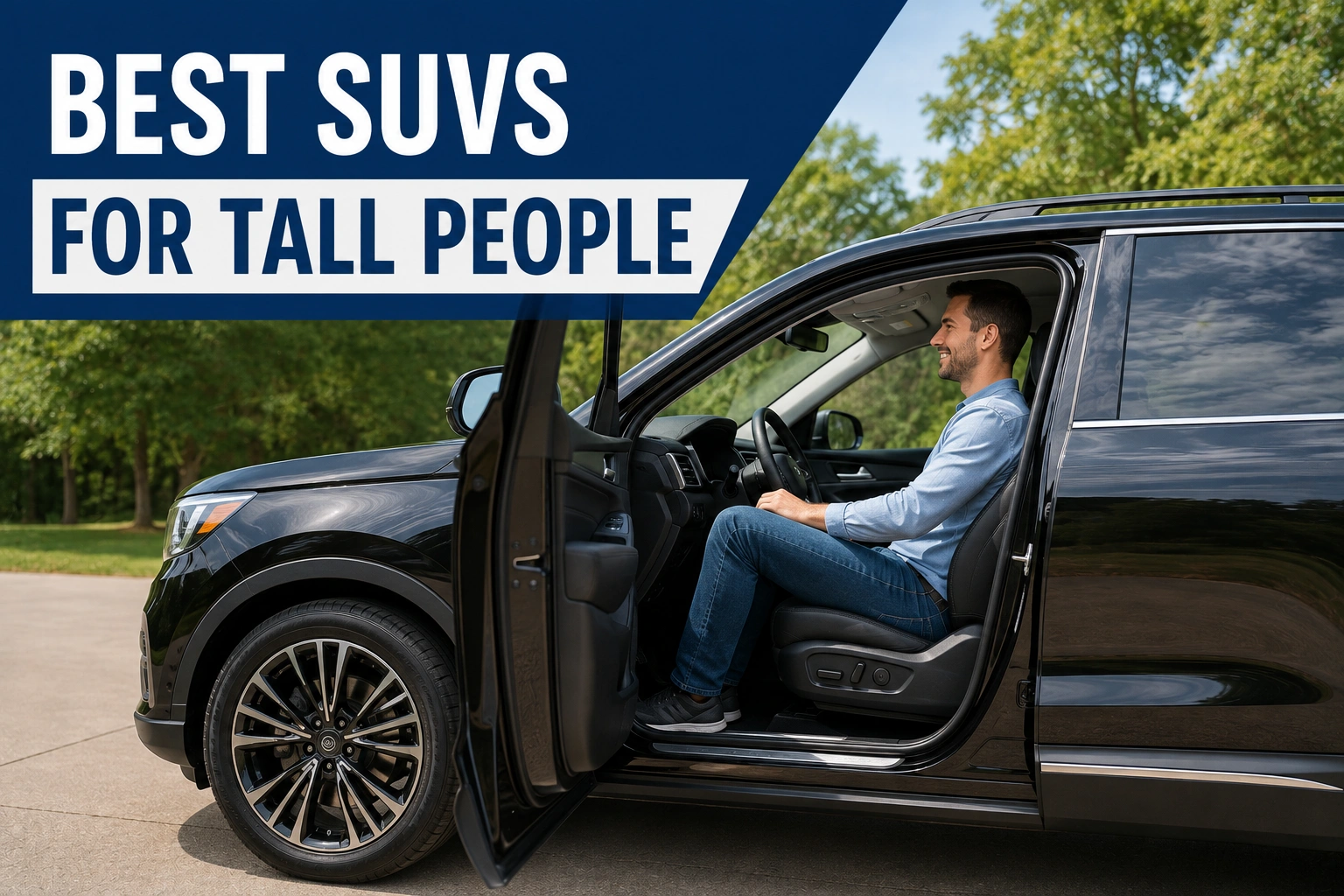
A basketball coach I know spent three weekends test-driving crossovers before finally finding one where his knees didn’t touch the dashboard. He’s 6’6″, and most showroom sales staff had no real answer when he asked about headroom beyond “it should be fine.”
That vague reassurance rarely holds up once a genuinely tall driver settles into the seat. Cushion height, roofline curvature, and seat-track travel matter far more than a spec sheet number in isolation.
A vehicle with generous headroom can still feel cramped if the steering wheel won’t telescope far enough or the seat cushion is too short for longer thighs.
This guide walks through nine SUVs engineered in 2026 with genuinely accommodating cabins, backed by real headroom and legroom figures, so shopping doesn’t turn into another disappointing weekend.
Why Headroom Numbers Alone Don’t Tell The Full Story
Automakers measure headroom from the seat cushion to the headliner with the seat in its lowest position, but that single figure ignores how someone with a long torso versus long legs actually experiences a cabin.
Seat cushion length matters just as much for taller drivers with longer legs. A short cushion leaves thighs unsupported, creating fatigue on longer drives regardless of how much legroom the spec sheet promises.
Steering wheel telescoping range decides whether a tall driver can maintain proper arm position without sitting too close to the pedals. Some vehicles offer generous reach adjustment while others stop short.
Roofline shape changes how headroom feels in practice. A sloped, coupe-style roof can technically list solid headroom numbers while still brushing against a tall passenger’s head near the rear glass.
How To Judge Fit Beyond The Spec Sheet
Sitting in a vehicle for ten minutes reveals far more than a quick five-minute showroom visit. Fatigue points, like a headliner brushing hair or a wheel that won’t tilt away, often surface only after extended time behind the wheel.
Checking the driver’s seat travel range matters as much as headroom. A seat that slides far enough back gives long-legged drivers room without sacrificing rear-seat space for passengers.
Testing with a rear passenger of similar height confirms whether second-row space holds up once the front seat is adjusted for a tall driver. Numbers on paper don’t always translate cleanly.
The 9 Best SUVs For Tall People In 2026
1. Ford Bronco
The Bronco leads nearly every ranking focused on tall-driver comfort, thanks to an upright windshield and a boxy cabin shape that maximizes vertical space.
Front headroom reaches 43.3 inches with front legroom of 43.1 inches, figures that comfortably accommodate drivers well beyond six and a half feet tall.
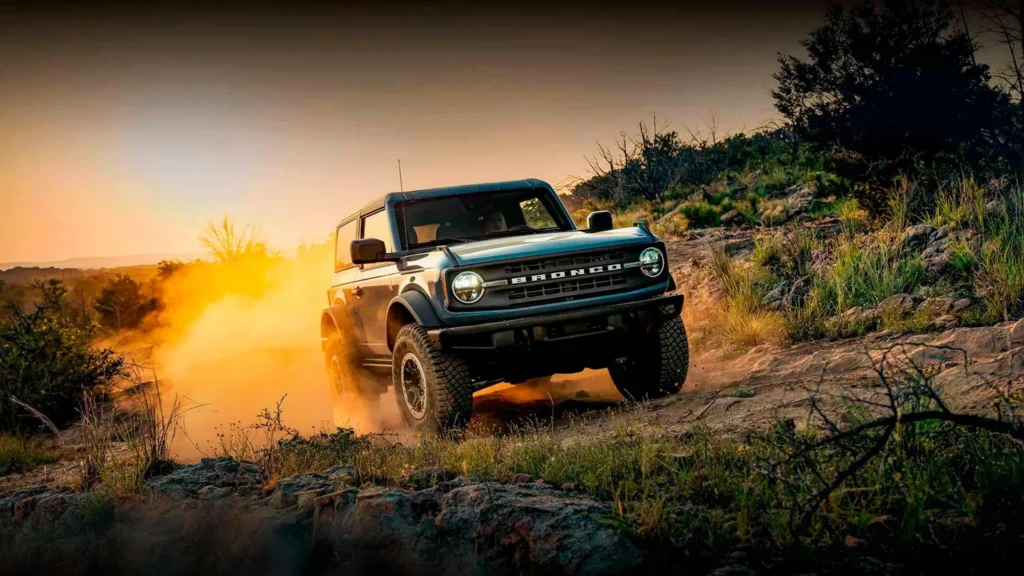
Removable doors and roof panels on select trims add an unusual bonus: open-air headroom that no traditional SUV cabin can match on a sunny weekend drive.
| Trim | Engine | Headroom | Starting Price |
| Base | 2.3L EcoBoost | 43.3 in | $42,685 |
| Big Bend | 2.3L EcoBoost | 43.3 in | $46,000 |
| Badlands | 2.3L/2.7L EcoBoost | 43.3 in | $56,660 |
| Raptor | 3.0L Twin-Turbo V6 | 42.7 in | $79,995 |
Seats sit relatively high off the floor, reducing the knee bend needed to climb in compared to lower sport-utility rivals.
2. Chevrolet Traverse
Among three-row SUVs, the Traverse leads its class with 42.8 inches of front headroom and 44.3 inches of combined front legroom, according to recent tall-driver rankings.
A 2.5-liter turbocharged four-cylinder produces 328 horsepower and 326 lb-ft of torque, paired with an 8-speed automatic across every trim in the lineup.
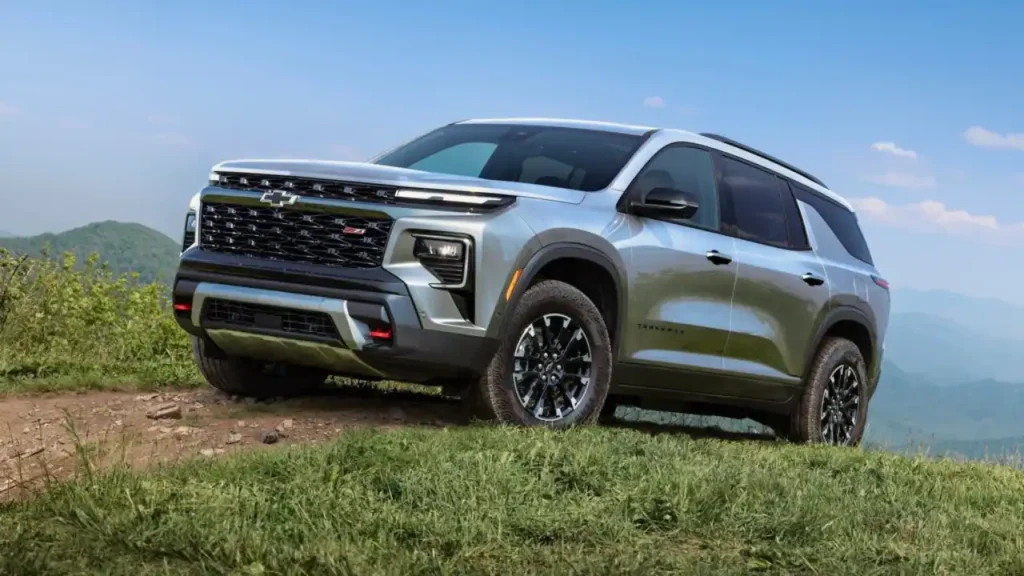
Second-row legroom measures a generous 38.4 inches, while third-row headroom at 38.2 inches still leaves realistic space for taller teens or adults on shorter trips.
| Trim | Drivetrain | Max Cargo | Starting Price |
| LT | FWD/AWD | 97.6 cu ft | $40,800 |
| Z71 | AWD | 97.6 cu ft | $48,900 |
| High Country | FWD/AWD | 97.6 cu ft | $56,995 |
| RS | FWD/AWD | 97.6 cu ft | $57,295 |
A hands-free power liftgate and a massive 98 cubic feet of maximum cargo space give tall families room for luggage, strollers, and sports gear without a rooftop carrier.
3. Jeep Wrangler Unlimited
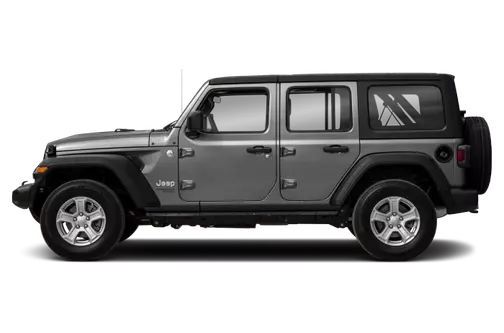
Removing the roof entirely turns the question of headroom into a non-issue, and the Wrangler Unlimited remains one of the few SUVs where that’s a factory-supported option.
With the hardtop installed, front headroom reaches 42.6 inches and front legroom hits 41.2 inches, generous numbers for a vehicle this size.
A 3.6-liter V6 producing 285 horsepower comes standard, paired with either a 6-speed manual or 8-speed automatic and genuine four-wheel-drive hardware.
| Trim | Ground Clearance | Headroom | Starting Price |
| Sport | 9.7 in | 42.6 in | $34,500 |
| Sahara | 9.7 in | 42.6 in | $42,500 |
| Rubicon | 10.8 in | 42.6 in | $49,270 |
Wide door openings and a nearly vertical windshield add to the sense of space, even before factoring in the removable roof panels.
4. Ford Expedition
Stretching out matters as much as headroom for taller drivers, and the Expedition’s cabin delivers generous room across all three rows in its extended MAX configuration.
Standard power comes from a twin-turbocharged 3.5-liter V6 producing 400 horsepower, while the high-output version on upper trims reaches 440 horsepower and 510 lb-ft of torque.
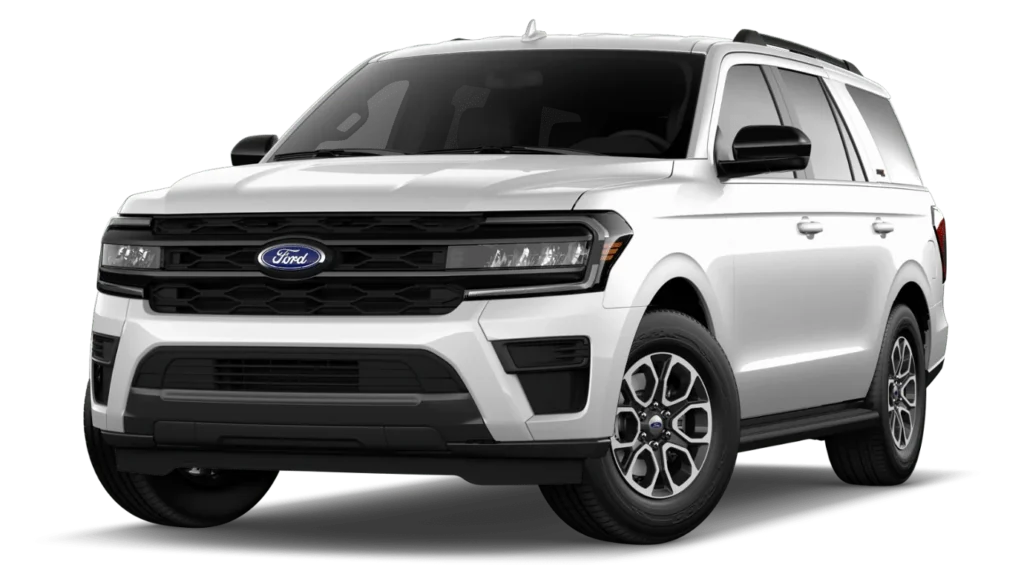
A commanding seating position paired with a tall roofline gives drivers well over six feet a comfortable line of sight and enough headroom to spare, even with a sunroof installed.
| Trim | Engine | Max Towing | Starting Price |
| Active | 3.5L Twin-Turbo V6 | 9,600 lbs | $62,700 |
| Platinum | 3.5L Twin-Turbo V6 | 9,600 lbs | $73,000 |
| King Ranch | HO 3.5L Twin-Turbo V6 | 9,600 lbs | $84,360 |
The extended MAX wheelbase adds meaningful third-row legroom, a detail families with taller teenagers will appreciate on long highway drives.
5. Volkswagen Atlas
Volkswagen designed the Atlas around a boxy, upright silhouette that translates directly into usable headroom rather than sacrificing space for a sloped, sporty roofline.
Front headroom measures 41.3 inches with 41.7 inches of front legroom, and the flat floor design leaves noticeably more foot space than curvier competitors.
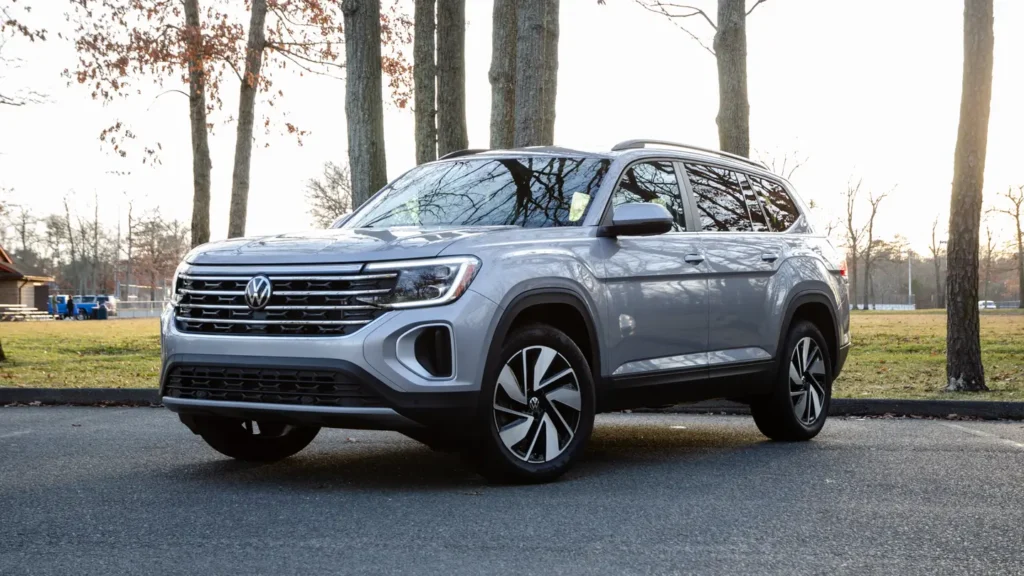
A turbocharged 2.0-liter four-cylinder produces 269 horsepower and 273 lb-ft of torque, paired with an 8-speed automatic and available 4Motion all-wheel drive.
| Trim | Engine | Cargo (Max) | Starting Price |
| SE | 2.0L Turbo | 96.8 cu ft | $40,785 |
| SEL | 2.0L Turbo | 96.8 cu ft | $47,500 |
| SEL Premium R-Line | 2.0L Turbo | 96.8 cu ft | $56,105 |
Rear legroom of 37.6 inches keeps second-row passengers comfortable, and quilted leather seating on upper trims adds long-drive support for taller frames.
6. Subaru Ascent
The Ascent delivers three-row versatility without pushing into premium pricing territory, making it a practical entry point for tall drivers watching their budget.
Standard all-wheel drive comes on every trim, paired with a turbocharged 2.4-liter four-cylinder producing 260 horsepower and 277 lb-ft of torque across the lineup.
Subaru’s EyeSight suite bundles adaptive cruise control and automatic emergency braking as standard equipment, not locked behind an expensive options package.
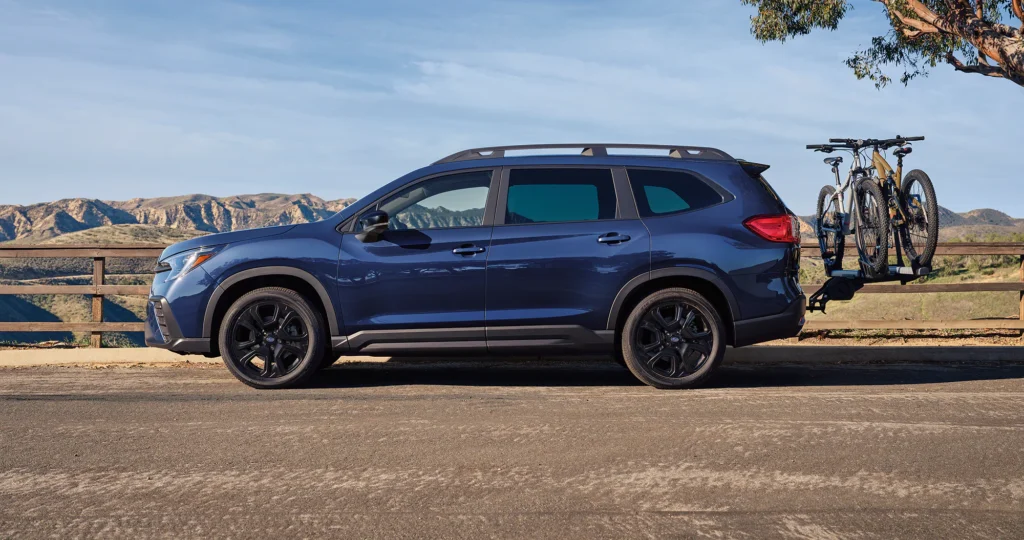
Starting price for 2026 lands at $42,245, with upper trims adding leather seating, a panoramic sunroof, and heated second-row seats. Front headroom and legroom both rank competitively against the segment’s roomier three-row rivals, and the flat rear cargo floor makes loading gear straightforward.
7. Honda Pilot
Honda refreshed the Pilot’s cabin for 2026 with a larger touchscreen and improved seating that noticeably benefits taller occupants across all three rows.
A 3.5-liter naturally aspirated V6 produces 285 horsepower and 262 lb-ft of torque, paired with a 10-speed automatic and available i-VTM4 all-wheel drive.
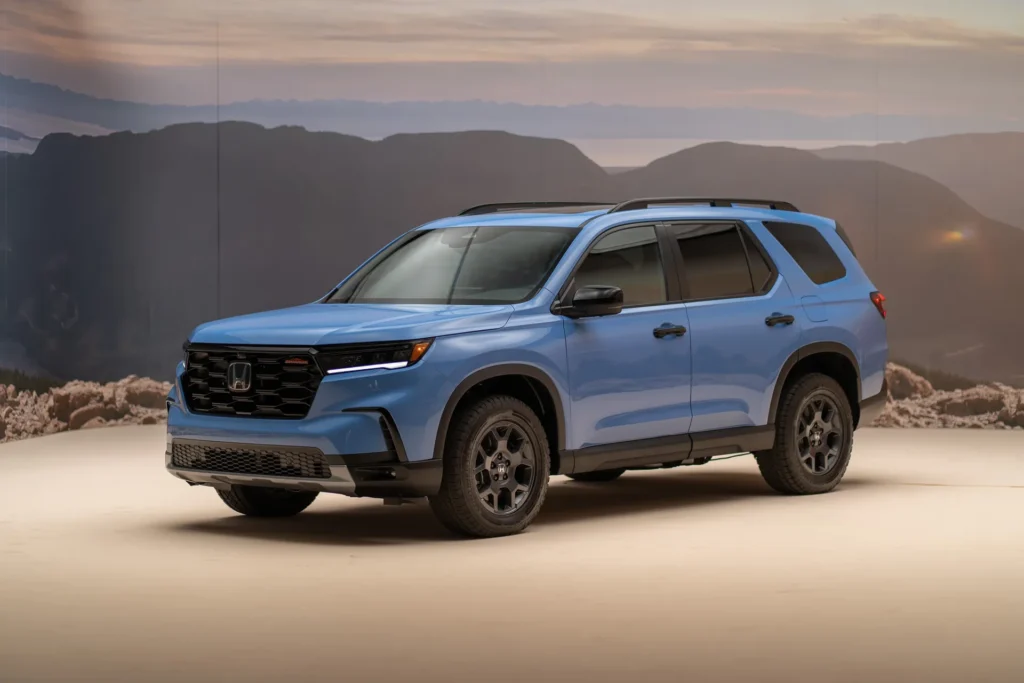
The TrailSport trim raises ride height by an additional inch, giving taller drivers an even easier entry and exit compared to the standard suspension setup.
| Trim | Drivetrain | Starting Price |
| Sport | FWD/AWD | $43,690 |
| EX-L | FWD/AWD | $45,990 |
| TrailSport | AWD | $51,890 |
| Touring | AWD | $52,590 |
| Elite | AWD | $54,990 |
Standard eight-passenger seating and a one-touch folding second-row bench make the Pilot practical for tall families juggling car seats and cargo simultaneously.
8. Toyota Land Cruiser
Toyota built the Land Cruiser’s cabin around an upright, retro-inspired greenhouse that naturally suits taller drivers looking for a commanding view over traffic.
A 2.4-liter turbo-hybrid i-FORCE MAX powertrain produces 326 horsepower and 465 lb-ft of torque, routed through an 8-speed automatic and full-time four-wheel drive.
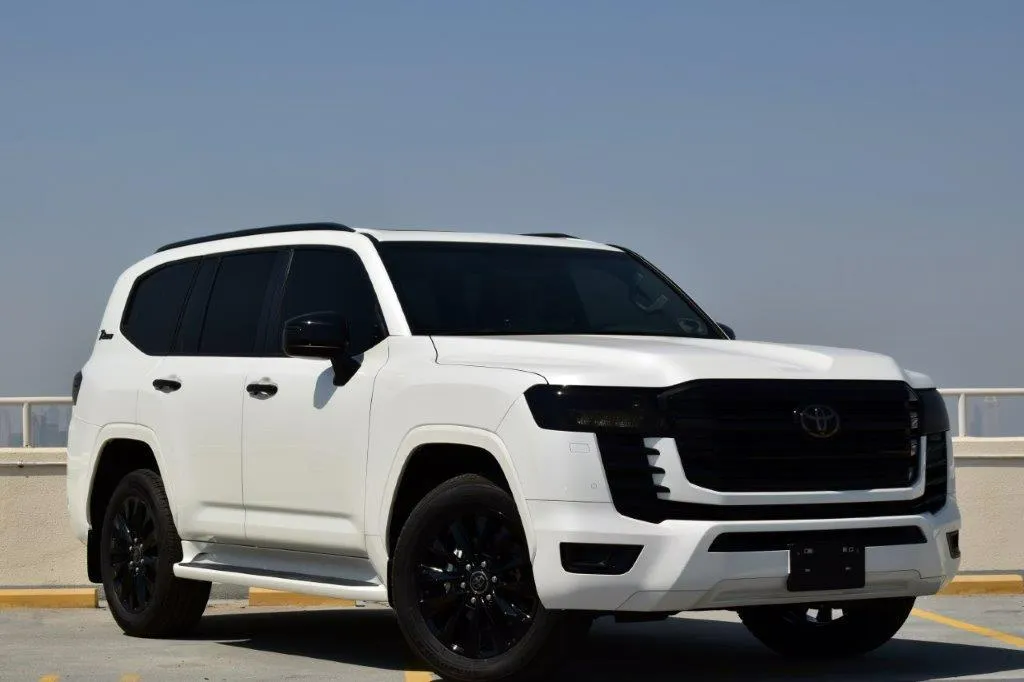
The nearly vertical windshield and tall door openings reduce the awkward stooping motion taller drivers often face climbing into lower, sportier crossovers.
| Trim | Headlight Style | Ground Clearance | Starting Price |
| 1958 | Round LED | 8.7 in | $58,650 |
| Land Cruiser | Rectangular LED | 8.7 in | $63,540 |
Manual seat height adjustment on the base trim still offers enough range for most tall drivers to find a comfortable seating position without powered assistance.
9. Cadillac Escalade IQ
Cadillac’s electric flagship pairs generous interior volume with genuinely quiet cabin comfort, an appealing combination for tall drivers who also want serious range.
A dual-motor setup produces up to 750 horsepower in Velocity Max mode, and the extended-length IQL variant adds meaningful third-row legroom over the standard IQ.
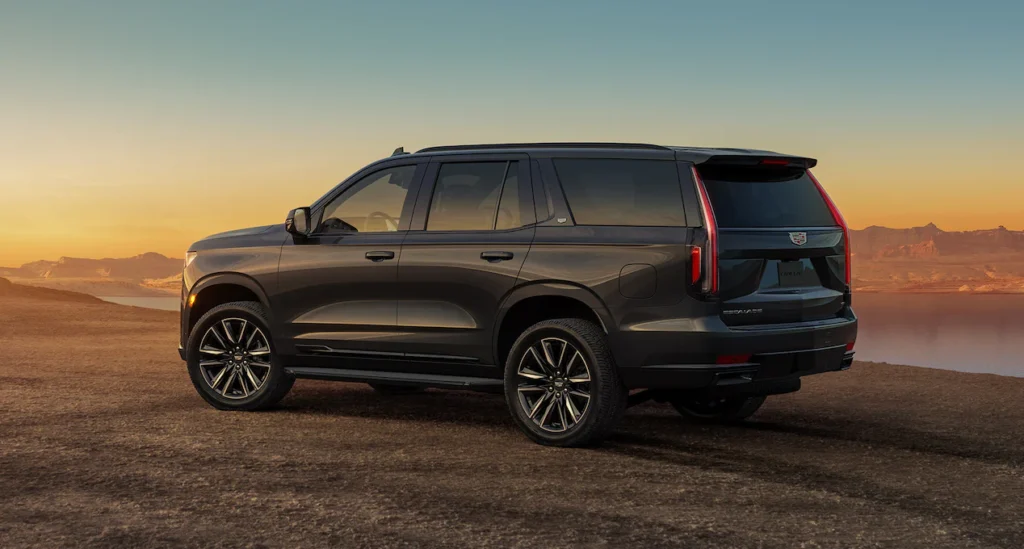
Large door openings front and rear make entry and exit noticeably easier than most three-row SUVs, addressing a common complaint from taller drivers about ducking into low doorframes.
| Trim | Range | Third-Row Legroom | Starting Price |
| Escalade IQ | 465 miles | 32.3 in | $127,405 |
| Escalade IQL | 460 miles | 36.7 in | $130,405 |
A panoramic glass roof and 55 inches of combined dashboard display screen space add to the sense of openness that benefits taller occupants throughout the cabin.
Comparing All Nine Models At A Glance
| SUV | Front Headroom | Front Legroom | Starting Price |
| Ford Bronco | 43.3 in | 43.1 in | $42,685 |
| Chevrolet Traverse | 42.8 in | 44.3 in (combined) | $40,800 |
| Jeep Wrangler Unlimited | 42.6 in | 41.2 in | $34,500 |
| Ford Expedition | 41.9 in | 43.9 in | $62,700 |
| Volkswagen Atlas | 41.3 in | 41.7 in | $40,785 |
| Subaru Ascent | 41.0 in | 41.9 in | $42,245 |
| Honda Pilot | 40.9 in | 40.9 in | $43,690 |
| Toyota Land Cruiser | 39.8 in | 41.7 in | $58,650 |
| Cadillac Escalade IQ | 41.9 in | 44.1 in | $127,405 |
Practical Tips For Test Driving As A Tall Shopper
Bring a tape measure to confirm the gap between the top of the head and the headliner, since seat height adjustments in a showroom can skew the initial impression.
Adjust the seat all the way back before checking rear-seat space. A vehicle with generous front legroom sometimes borrows heavily from second-row space to achieve it.
Test the steering wheel’s full telescoping range rather than accepting the default position. Some vehicles limit reach adjustment more than the spec sheet suggests.
Check sunroof clearance separately from standard headroom figures. A panoramic sunroof housing can reduce actual headroom by up to an inch compared to a solid roof.
Frequently Asked Questions
Which SUV offers the most headroom for tall drivers in 2026?
The Ford Bronco leads with 43.3 inches of front headroom, making it comfortable for drivers up to roughly seven feet four inches tall according to recent industry measurements.
Do three-row SUVs sacrifice front-seat space for tall drivers?
Not necessarily. Models like the Chevrolet Traverse and Ford Expedition maintain generous front headroom and legroom while still offering usable third-row space for additional passengers.
Is an upright windshield actually better for tall drivers?
Yes, a nearly vertical windshield, found in the Bronco, Wrangler, and Land Cruiser, typically preserves more usable headroom throughout the cabin compared to sloped, aerodynamic designs.
Should tall shoppers avoid SUVs with panoramic sunroofs?
Not entirely, but panoramic sunroofs can reduce headroom by up to an inch compared to a solid roof, so checking the exact figure before buying prevents a surprise at delivery.
Does seat cushion length matter more than headroom for some tall drivers?
Yes, drivers carrying more height in their legs than their torso often need longer seat cushions for proper thigh support, a detail that headroom numbers alone don’t capture.
Are electric SUVs like the Cadillac Escalade IQ good options for tall drivers?
Generally yes, since the flat battery floor often allows for a more open cabin layout, though sloping rooflines on some EVs can still reduce rear-seat headroom compared to boxier gas models.