Motherhood turns a vehicle into moving storage, a mobile snack bar, and a getaway car for nap-time emergencies, sometimes all in the same afternoon. The right SUV absorbs that chaos instead of fighting it.
Automakers noticed. Hands-free tailgates, massive touchscreens, and hybrid powertrains that barely sip gas during school pickup loops used to be luxury extras. In 2026, they show up on mainstream trims that any working parent can actually afford.
Nine SUVs earned a spot on this list by handling real days, not just showroom walkarounds. Some suit a household with one toddler and a stroller collection; others carry a soccer team’s worth of gear.
Below, each one gets a close look at pricing, specifications, and the small details that make a real difference once the grocery haul, the gym bag, and two kids are all fighting for space at the same time.
What Moms Actually Look For In A Family SUV
Horsepower and styling still matter, but they rarely decide which SUV earns daily use. Three practical qualities separate a vehicle that makes mornings easier from one that just looks good parked in the driveway.
Cargo And Storage For Everyday Life
Groceries, gym bags, a folding wagon for the farmer’s market, and whatever a toddler insists on bringing along all compete for the same trunk space. A low, flat load floor makes packing faster than a high liftover height ever will.
A hands-free power liftgate becomes a genuine time-saver once both arms are full. Kicking a foot under the bumper to pop the tailgate sounds like a small thing until it’s the only way to load bags without setting a baby down on wet pavement.
Small-item storage inside the cabin matters just as much as the trunk. Deep door pockets, a covered center console, and a dedicated spot for sunglasses and hand sanitizer keep the front seat from turning into a junk drawer by the second week of ownership.
Safety Technology That Works Without Thinking
Blind-spot monitoring earns its keep the first time a cyclist or another car hides in a mirror’s dead zone during a lane change with kids chattering in the back seat. It works quietly, without demanding attention.
Automatic emergency braking and rear cross-traffic alert matter even more in parking lots, where distracted pedestrians and reversing SUVs cause most low-speed accidents near schools and grocery stores.
The Insurance Institute for Highway Safety tightened its testing for 2026, adding sharper scrutiny of rear-seat occupant protection specifically. That shift lines up with how most parents actually load a vehicle, with children riding behind the front row rather than beside it.
A rearview camera with a wide-angle view, or a 360-degree camera on higher trims, removes a lot of guesswork when a shopping cart or another vehicle sits just out of direct sight.
Comfort And Visibility Behind The Wheel
A higher seating position gives a clearer view over traffic and makes it easier to spot a child darting toward the car in a parking lot. That sightline matters more than most buyers realize until they compare it against a low-slung sedan.
Heated seats and a heated steering wheel turn a five-minute defrost wait into a non-issue on cold mornings when everyone is already running late. These once sat on top trims only; several 2026 models now include them as standard equipment.
Cabin noise adds up over years of carpool duty and commuting. A quieter interior, aided by thicker glass or added sound insulation, reduces fatigue on longer drives and makes phone calls or podcasts easier to hear over restless kids in the back.
Nine Best SUVs For Moms In 2026
The nine vehicles below span compact runabouts to full three-row haulers, since no single size fits every household. Pricing and specifications reflect current 2026 configurations from each manufacturer.
1. Toyota RAV4 Hybrid
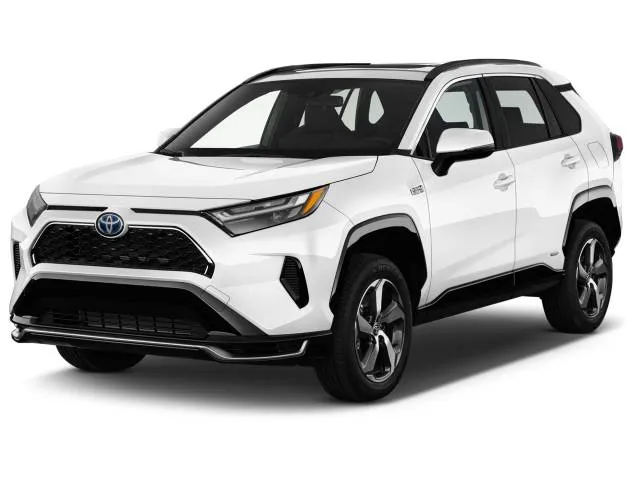
Toyota’s compact SUV outsells nearly everything else in America, and the redesigned 2026 version makes a stronger case than ever for that popularity. Every trim now comes standard with hybrid power rather than treating it as an upgrade.
Starting Price: $33,350 | Engine: 2.5-liter hybrid four-cylinder, 226 horsepower | Seating: 5 passengers | Cargo: 37.5 cubic feet behind the rear seat | Fuel Economy: Up to 40 mpg combined
A hands-free power liftgate comes standard on every trim except the base LE, opening with a simple foot kick beneath the rear bumper. Dual wireless phone chargers and a 1,500-watt outlet in the cargo area round out features built for real errands, not brochure photos.
Toyota‘s full driver-assistance suite, including pedestrian and cyclist detection, comes standard across the lineup rather than locked behind a pricier trim. The redesigned cabin also gained a boxier, more upright shape that translates into genuinely useful cargo width.
2. Kia Sportage Hybrid
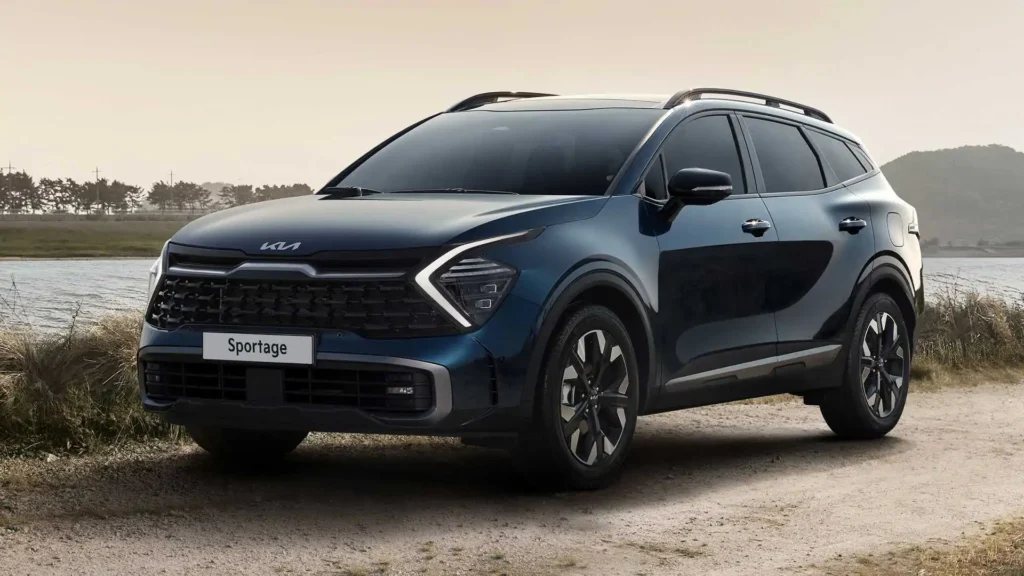
Kia undercuts most hybrid compact SUVs on price without cutting corners on features, and the 2026 refresh sharpens that value further with new tech spread across the lineup.
Starting Price: $30,290 | Engine: 1.6-liter turbo hybrid four-cylinder, 232 horsepower | Seating: 5 passengers | Cargo: 39.5 cubic feet behind the rear seat | Fuel Economy: Up to 35 mpg combined
A six-speed automatic replaces the droning CVT found in most hybrid rivals, giving the Sportage a smoother, quieter feel around town. The Smart Power Liftgate opens automatically after sensing the key fob nearby, useful when arms are full and reaching for a button isn’t an option.
Dual 12.3-inch displays and wireless smartphone connectivity come standard on most trims, and a two-level cargo floor adds flexibility for taller items. All-wheel drive comes standard on every trim above the base LX.
3. Honda CR-V Hybrid
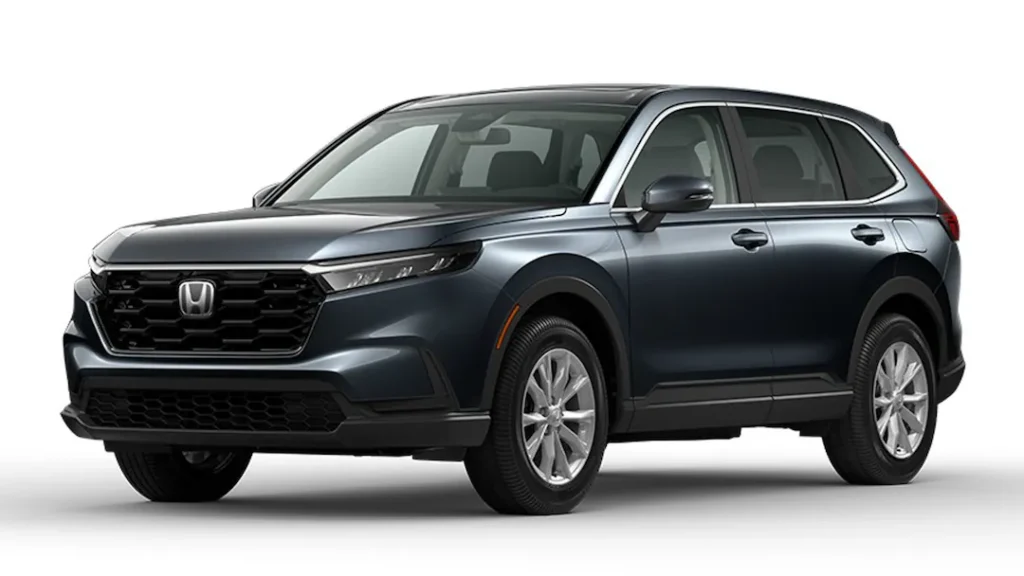
Honda’s best-selling model earns that status by refusing to overcomplicate the formula: enough space, strong fuel economy, and controls that make sense on day one.
Starting Price: $37,080 | Engine: 2.0-liter hybrid four-cylinder, 204 horsepower | Seating: 5 passengers | Cargo: 36.3 cubic feet behind the rear seat | Fuel Economy: Up to 40 mpg combined
Rear legroom measures a class-leading 41.0 inches, giving car seats and adult passengers alike room to breathe without crowding the front row. The optional hands-free power liftgate responds to a foot swipe under the bumper, a detail Honda has quietly refined for years.
Every 2026 CR-V now includes a 9-inch touchscreen and wireless smartphone charging as standard equipment, features that used to require an upgrade. Honda Sensing, the brand’s full driver-assist suite, comes standard across every trim, gas or hybrid.
4. Subaru Outback
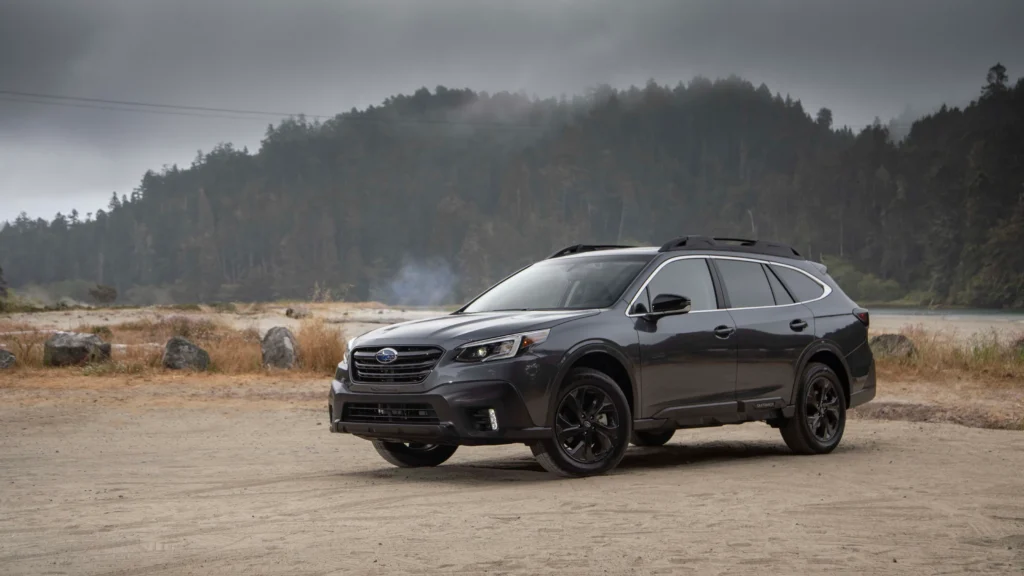
Subaru abandoned the wagon silhouette for 2026, rebuilding the Outback as a taller, more SUV-like crossover without losing what made it a favorite for snowy commutes and gravel driveways.
Starting Price: $36,445 | Engine: 2.5-liter boxer four-cylinder, 180 horsepower (turbo 260-horsepower option available) | Seating: 5 passengers | Cargo: 34.6 cubic feet behind the rear seat | Fuel Economy: 25 city / 31 highway mpg
Standard Symmetrical All-Wheel Drive means no upgrade decisions or added cost for families dealing with snow, rain, or unpaved roads on a regular basis. The redesigned model earned an IIHS Top Safety Pick+ rating, among the highest available in this class.
A dual-screen setup, a 12.1-inch touchscreen paired with a 12.3-inch digital gauge cluster, comes standard across the lineup. The cabin also grew 1.4 inches taller than the previous generation, translating directly into extra rear headroom for growing kids and their bulkier winter gear.
Resale value has long been a Subaru strong point, and the Outback’s reputation for reliability tends to hold up well once the loan is paid off. For a mom splitting weekdays between school runs and weekend trips to the trailhead or the lake house, that combination of durability and all-weather grip is hard to replace.
5. Chevrolet Traverse
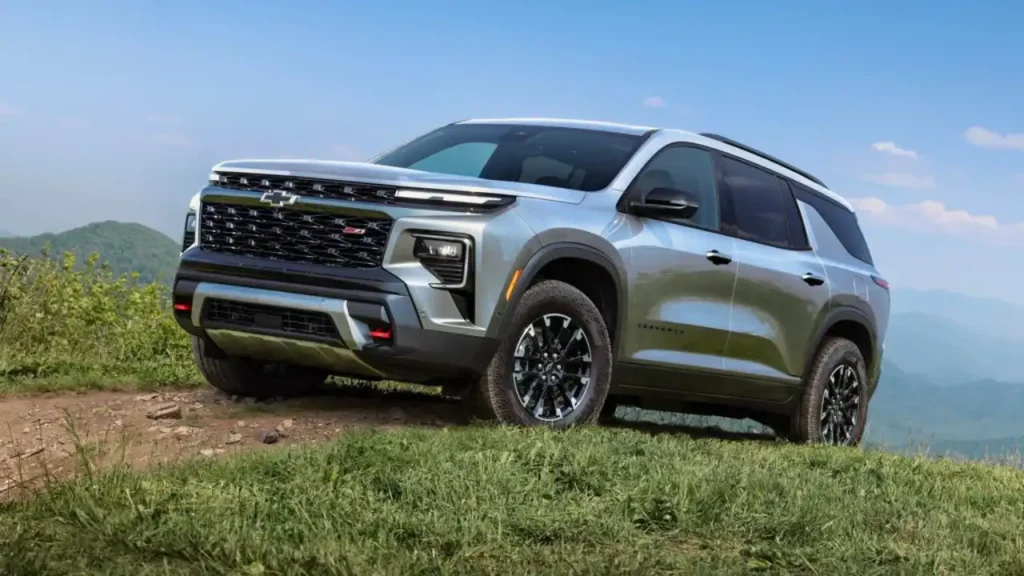
Few three-row SUVs make loading cargo this effortless straight out of the base trim, and the Traverse leans into that advantage instead of saving it for a pricier configuration.
Starting Price: $40,800 | Engine: 2.5-liter turbocharged four-cylinder, 328 horsepower | Seating: 7-8 passengers | Cargo: 98 cubic feet maximum with rows folded | Towing: 5,000 pounds
A hands-free power liftgate, heated front seats, and a heated steering wheel all come standard on the entry-level LT trim rather than reserved for a loaded configuration. That’s an unusually generous starting point for a midsize three-row SUV.
The standard 17.7-inch infotainment display dwarfs most rivals, and Super Cruise, a hands-free highway driving system, becomes available on higher trims. Cargo space behind the third row still swallows a stroller and a week of groceries without folding a single seat down.
6. Honda Pilot
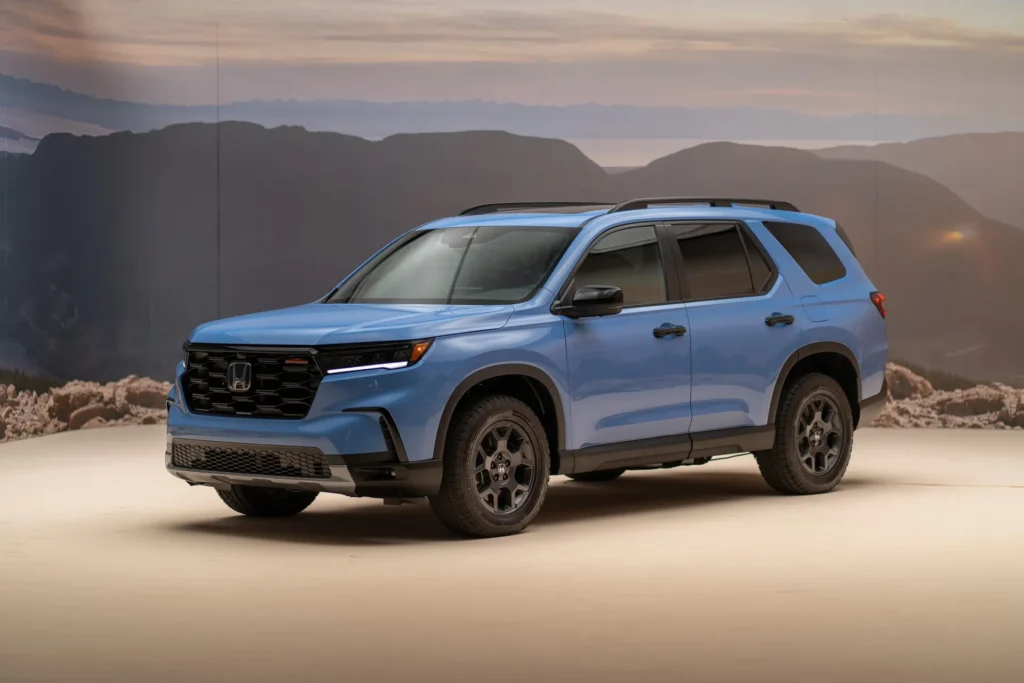
A mid-cycle refresh keeps the Pilot’s genuinely useful cabin tricks intact while updating the technology surrounding them.
Starting Price: $42,195 | Engine: 3.5-liter V6, 285 horsepower | Seating: 7-8 passengers | Cargo: 87 to 113.7 cubic feet depending on configuration | Towing: 5,000 pounds
The removable second-row center seat stows under the cargo floor, letting a family switch between a bench and a two-seat gap in seconds rather than swapping parts in the garage. A hands-free tailgate with a walk-away auto-lock feature rounds out the cargo area on Touring trims and above.
Bose premium audio, a wireless charging pad, and a new 12.3-inch touchscreen headline the 2026 updates. Second-row legroom of 40.8 inches keeps the middle row comfortable enough that road trips rarely end in complaints from the back seat.
7. Hyundai Palisade
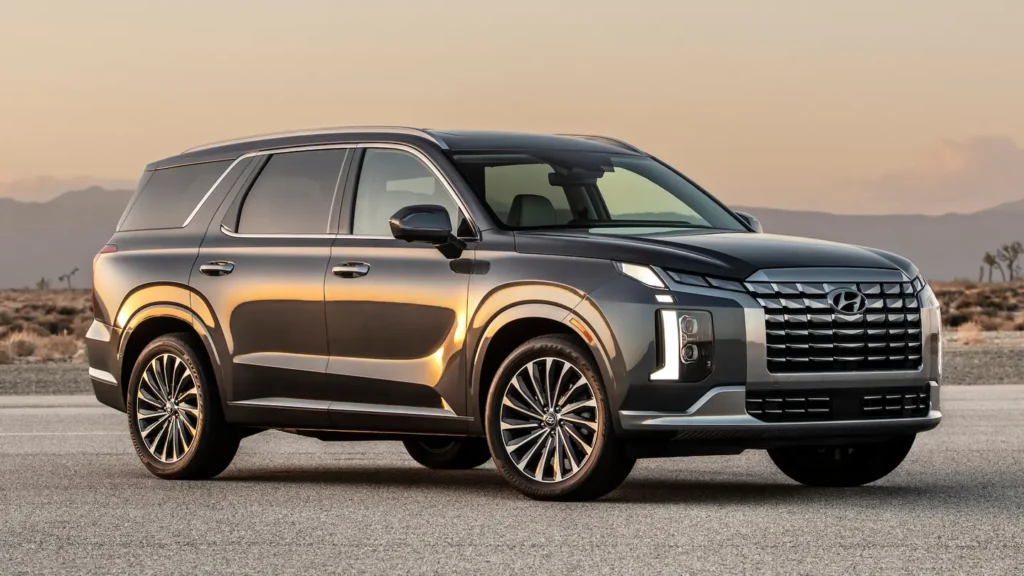
Hyundai rebuilt the Palisade from the ground up for 2026, and the result feels less like a refresh and more like a genuine leap in everyday comfort.
Starting Price: $38,935 | Engine: 3.5-liter V6, 287 horsepower (hybrid available) | Seating: 7-8 passengers | Cargo: 86.7 cubic feet maximum with rows folded | Towing: 5,000 pounds
New Relaxation seating in the first and second rows reclines further than most competitors allow, genuinely useful during long waits in carpool lines or naps on road trips. Ten airbags and third-row seatbelt pretensioners come standard across the lineup.
A one-touch second-row tilt-and-slide function works even with captain’s chairs installed, so reaching a child in the third row doesn’t require a wrestling match. The hybrid powertrain, new for 2026, targets up to 34 mpg for families logging serious mileage on school runs and errands.
8. Kia Telluride
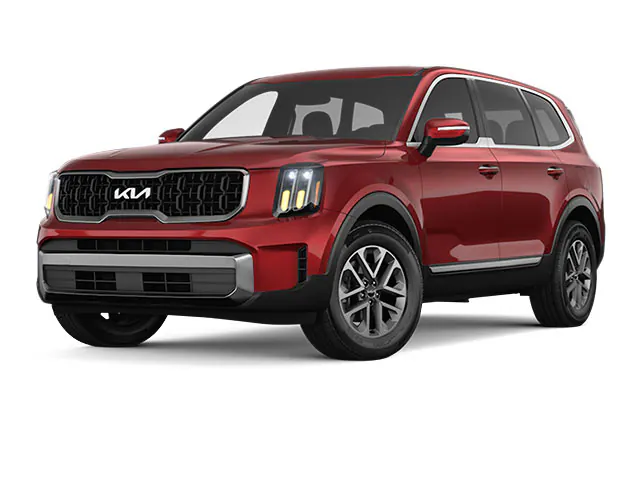
Comfort, not raw performance, explains why the Telluride keeps landing on family-SUV shortlists year after year.
Starting Price: Around $37,000 | Engine: 3.8-liter V6, 291 horsepower | Seating: 7-8 passengers | Cargo: Up to 87 cubic feet with rows folded | Towing: 5,000 pounds
Acoustic glass on the windshield and front windows keeps road noise low enough that conversations, phone calls, and audiobooks stay easy to hear even at highway speed. Ambient interior lighting and an upscale-feeling cabin help the Telluride punch above its price point.
Ventilated seats on higher trims turn summer pickup lines into less of an ordeal, and a 10-year, 100,000-mile powertrain warranty adds peace of mind that few rivals match. Third-row legroom of 31.4 inches keeps that back row genuinely usable rather than symbolic.
9. Mazda CX-90
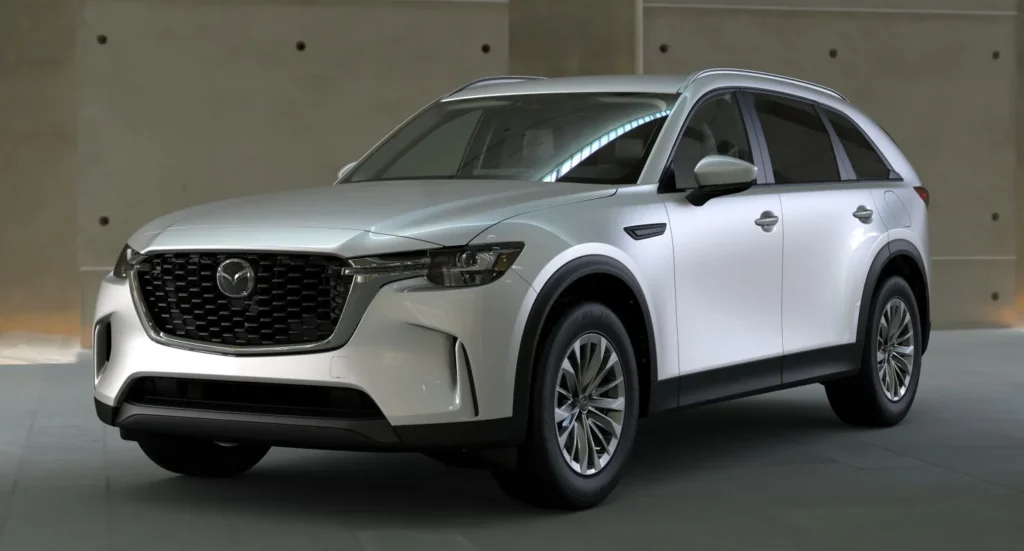
Mazda built a genuinely upscale cabin into the CX-90, the kind of interior that makes a school pickup line feel a little less like a chore.
Starting Price: $38,800 | Engine: 3.3-liter turbocharged inline-six, 280 horsepower (plug-in hybrid available) | Seating: 7-8 passengers | Cargo: Up to 74.2 cubic feet with rows folded | Towing: 3,500 to 5,000 pounds
Standard all-wheel drive and a smooth turbocharged inline-six give the CX-90 a refined, quiet ride that feels closer to a luxury SUV than its price suggests. An available hands-free power liftgate, Bose audio, and Nappa leather upholstery push that feeling further on higher trims.
Third-row space and outright cargo room trail some rivals on this list, a real trade-off for the upscale feel. Families who rarely fill every seat, or who prioritize daily comfort over maximum hauling capacity, tend to find that compromise easy to accept.
Pricing lands close to mainstream three-row rivals like the Pilot and Palisade rather than jumping into true luxury territory. That positioning makes the CX-90 an easy test drive for a mom cross-shopping both camps without committing to a luxury-brand service bill.
Price And Feature Comparison At A Glance
Every SUV above brings a different mix of efficiency, space, and comfort to the table. The chart below lines up the essentials so the trade-offs are easy to weigh at a glance.
| SUV | Starting Price | Fuel Economy | Max Cargo | Best For |
| Toyota RAV4 Hybrid | $33,350 | 40 mpg combined | 70.4 cu ft | Daily efficiency |
| Kia Sportage Hybrid | $30,290 | 35 mpg combined | 63 cu ft | Tight budgets |
| Honda CR-V Hybrid | $37,080 | 40 mpg combined | 76.5 cu ft | Small households |
| Subaru Outback | $36,445 | 25/31 mpg | 80.5 cu ft | Snow and gravel |
| Chevrolet Traverse | $40,800 | 21 mpg combined | 98 cu ft | Maximum cargo |
| Honda Pilot | $42,195 | 22 mpg combined | 113.7 cu ft | Growing families |
| Hyundai Palisade | $38,935 | 21 mpg combined | 86.7 cu ft | Comfort features |
| Kia Telluride | ~$37,000 | 20/26 mpg | 87 cu ft | Quiet cabin |
| Mazda CX-90 | $38,800 | 25 mpg combined | 74.2 cu ft | Upscale feel |
A second comparison, focused purely on drivetrain and layout, tells its own story about how these nine vehicles differ underneath the specs sheet.
| SUV | Standard AWD | Hybrid Or Electrified Option | Third Row Seating |
| Toyota RAV4 Hybrid | No, available | Yes, standard | No |
| Kia Sportage Hybrid | No, on S trim up | Yes, standard | No |
| Honda CR-V Hybrid | No, available | Yes | No |
| Subaru Outback | Yes | No | No |
| Chevrolet Traverse | No, available | No | Yes |
| Honda Pilot | No, available | No | Yes |
| Hyundai Palisade | No, available | Yes, new for 2026 | Yes |
| Kia Telluride | No, available | No | Yes |
| Mazda CX-90 | Yes | Yes, mild hybrid | Yes |
A pattern worth noticing: efficiency and third-row space rarely show up in the same vehicle. Most households end up prioritizing one over the other rather than finding a single SUV that maximizes both at once.
Practical Advice For Choosing The Right Fit
A test drive around an empty parking lot rarely reveals what daily ownership actually feels like. These habits, borrowed from experienced buyers and dealership advisors, close that gap.
Test drive during a real errand rather than a quiet loop around the block. Loading actual grocery bags or a stroller into the trunk reveals liftover height and door-opening width that a fifteen-minute drive never will.
Sit in the third row before ruling a vehicle in or out, even if it feels unnecessary today. Family size and carpool duty change faster than most people expect, and upgrading later usually costs more than buying the right size once.
Check total cost of ownership rather than just the sticker price. A hybrid with a higher starting cost can end up cheaper over five years once fuel savings and stronger resale value are factored in.
Bring a phone and pair it with the infotainment system before signing anything. Wireless CarPlay and Android Auto setups vary in reliability between brands, and a laggy connection becomes a daily annoyance fast.
Ask which safety features come standard versus which ones sit behind an options package. Blind-spot monitoring and automatic emergency braking shouldn’t require a costly upgrade to access.
Drive the SUV home during rush hour if a dealership allows an extended test. Parking sensors, visibility, and turning radius matter more in real traffic than they ever do on an empty test-drive route.
Compare insurance quotes before finalizing a decision between two similarly priced SUVs. Premiums can swing by hundreds of dollars a year based on safety ratings, repair costs, and theft rates, and that gap rarely shows up on a window sticker.
Frequently Asked Questions
Which SUV works best for a mom with just one young child?
A compact hybrid like the Toyota RAV4 or Honda CR-V usually fits best, combining strong fuel economy with enough rear-seat space for one car seat and a size that stays manageable in tight parking spots.
Is a three-row SUV worth buying before a second child arrives?
It depends on timeline and budget. Buying ahead of need avoids a second purchase down the road, but it also means paying for space and features that might sit unused for a year or more.
Do hybrid SUVs actually save money on short daily trips?
Yes, often more than highway-heavy driving would suggest. Stop-and-go trips to school or daycare let the electric motor and regenerative braking handle more of the work, which is exactly where hybrids perform best.
How important is a hands-free power liftgate in daily life?
It matters more than it sounds on paper. Anyone who has balanced a baby, a diaper bag, and a bag of groceries at the same time understands why a foot-activated tailgate earns its keep every single day.
Should safety ratings outweigh comfort features when choosing an SUV?
Safety ratings should never be treated as optional, but most 2026 SUVs on this list already meet strong crash-test standards. Once that baseline is met, comfort and daily usability reasonably decide the rest.
What is a reasonable price range for a well-equipped family SUV in 2026?
Compact hybrids like the Sportage and RAV4 start in the low-to-mid $30,000s, while roomier three-row options such as the Palisade, Telluride, and Traverse typically start in the high $30,000s to low $40,000s before options.