The Ford Edge has long appealed to buyers who want a comfortable, two-row midsize SUV that feels more substantial than a compact crossover but isn’t as large or costly as a three-row family hauler.
It’s a sweet spot for commuters, small families, and drivers who value easy road manners, usable cargo space, and a confident highway presence.
As Ford transitions its lineup and buyers re-evaluate their options, many Edge owners—and shoppers who once considered it—are asking a simple question: what should I look at next?
This guide is written for exactly that buyer. If you want an SUV similar to the Ford Edge in size, driving feel, pricing, and everyday usability, this article walks you through the best alternatives in the U.S. market for 2026.
Rather than just listing specs, we focus on real-world strengths, ownership trade-offs, and when a particular model may not be the best fit. The goal is to help you make a confident decision that holds up well beyond the showroom.
Sources and Research note
This article draws on pricing, specifications, and other insights commonly referenced from Edmunds, Car and Driver, MotorTrend, Kelley Blue Book (KBB), Autotrader, and manufacturer technical documentation.
2024 Ford Edge Review
- MSRP: $39,960–$48,700
- Engine Option: turbocharged 2.3-liter four-cylinder and turbocharged 3.0-liter V-6
- Horsepower: 250 HP to 335 HP
- Transmission: 10-speed automatic transmission
- 0–60-MPH Times: 6.0 seconds
- Fuel Economy: 21 MPG cCity and 28 Highway (EPA Estimated)
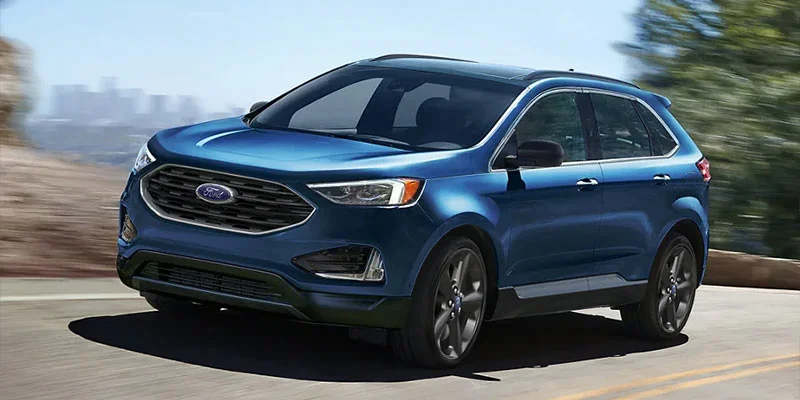
The 2024 Ford Edge remains a strong contender in the midsize SUV segment thanks to its balanced blend of size, comfort, and capability—even as automotive trends shift toward electrification and new body styles.
Priced in the USA at an estimated $39,960 for base trims and rising beyond $48,700 for higher-end ST-Line models, the Edge sits squarely between compact crossovers and larger three-row SUVs in both cost and practicality.
Under the hood, the 2026 Edge typically features Ford’s 2.0-liter turbocharged four-cylinder engine, producing around 250 horsepower and 279 lb-ft of torque, paired with an eight-speed automatic transmission.
All-wheel drive is available, and the SUV’s unibody construction delivers a comfortable, composed ride suited to daily driving and highway cruising.
Interior space is family-friendly, with ample headroom, legroom for five passengers, and cargo capacity that easily accommodates luggage or gear. Technology includes a large infotainment display with SYNC 4A and advanced driver aids as standard.
While not the sportiest or most luxurious in class, the 2024 Edge’s mix of comfort, technology, and usability makes it a practical choice for buyers who valued the previous generation’s blend of everyday capability and modern features.
What makes a vehicle “similar” to the Ford Edge?
To fairly compare alternatives, it helps to define what the Edge does well:
- Two-row midsize SUV footprint (larger than compact, smaller than three-row)
- Comfortable ride and quiet cabin
- Strong available turbo power
- Practical cargo space without excessive bulk
- Pricing that sits between mainstream and premium
The vehicles below match that formula closely, even if they approach it with different priorities.
Cars similar to the Ford Edge
1. 2026 Hyundai Santa Fe
- MSRP:$36,650–$51,000
- Engine Option: 2.5-liter inline-four engine
- Horsepower: 277-HP
- Fuel Economy: 19-20 mpg City and 26-29 mpg Highway (EPA Estimated)
The Hyundai Santa Fe is one of the closest matches to the Ford Edge in overall size and everyday usability. For 2026, it continues to emphasize comfort, interior space, and value.
Front-seat headroom and legroom are generous, and the seating position feels natural for long drives. Cargo space behind the second row is competitive, making it easy to live with for errands or weekend trips.
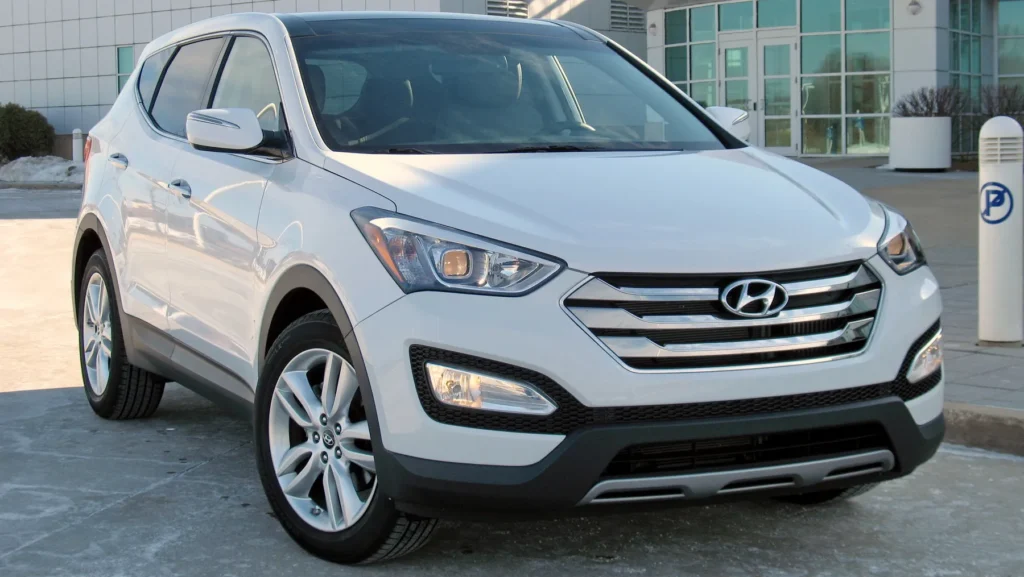
Pricing starts around $36,650, with turbocharged engine options producing up to 277 horsepower. Front-wheel drive is standard, with all-wheel drive available. Fuel economy averages in the mid-20 mpg range on the highway. Where the Santa Fe stands out is interior tech and warranty coverage.
However, it’s not recommended for buyers who want a sporty driving feel—the suspension tuning favors comfort over engagement.
Pros: Excellent value, comfortable ride, strong tech
Cons: Less athletic handling, conservative styling
2. 2026 Subaru Outback
- MSRP:$36,445–$49,445
- Engine Option: 2.4-liter inline-four engine
- Horsepower: 180-HP to 260 HP
- Fuel Economy: 25 mpg City and 31 mpg Highway (EPA Estimated)
The 2026 Subaru Outback is a compelling alternative to the Ford Edge for buyers who value all-weather capability, cabin comfort, and practical everyday usability. Unlike the Edge’s SUV form, the Outback blends wagon-like versatility with SUV proportions — but in terms of interior space, cargo flexibility, and highway refinement, these two vehicles feel very similar in real-world use.
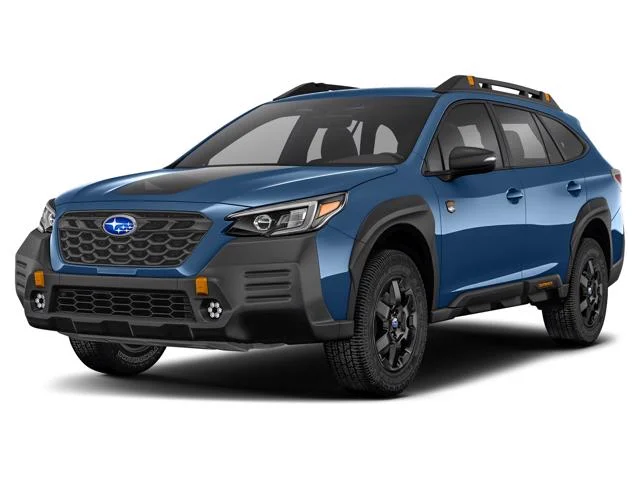
Subaru’s standard AWD gives the Outback an edge in snow or rain without a premium, and the optional turbocharged 2.4-liter engine adds peppy mid-range acceleration that helps it feel quick in everyday driving.
Cargo space behind the rear seats is generous and easy to access, and roof rails come standard, making it a good choice for outdoor gear or luggage.
Pros: Standard AWD, strong cargo practicality, great highway comfort
Cons: Less powerful base engine, more subdued driving dynamics
3. 2026 Chevrolet Blazer
- MSRP: $36,295–$48,495
- Engine Option: 2.0-liter four-cylinder and 3.6-liter V-6
- Horsepower: 228-HP to 308 HP
- Fuel Economy: 18-22 mpg City and 26-29 mpg Highway (EPA Estimated)
The Chevrolet Blazer targets buyers who liked the Edge’s bold styling and available power. Its design is more aggressive, and engine choices range from a 2.0-liter turbo to a 3.6-liter V6 producing 308 horsepower. Pricing starts around $36,295.
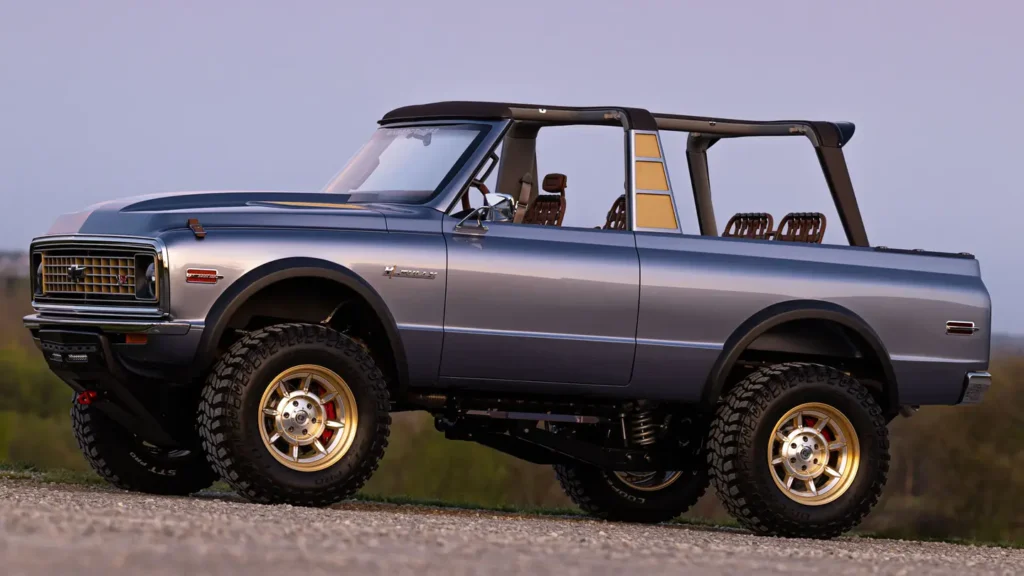
On the road, the Blazer feels more responsive than many rivals, especially with the V6. Interior space is comparable to the Edge, though rear-seat headroom can feel tighter due to the sloping roofline.
It’s not recommended for families prioritizing maximum rear comfort, but for drivers who want a sportier look and feel without moving into luxury pricing, the Blazer fits well.
Pros: Strong V6 option, sharp styling
Cons: Rear-seat headroom, interior materials vary by trim
4. 2026 Honda Passport
- MSRP: $46,445–$55,345
- Engine Option: 3.5-liter V-6
- Horsepower: 285-HP
- Fuel Economy: 19 mpg City and 25 mpg Highway (EPA Estimated)
The Honda Passport is often overlooked, but it’s one of the most practical Edge alternatives for buyers who want space and simplicity. Built on the same platform as the Pilot, it offers excellent rear-seat legroom and a wide cargo area.
Power comes from a 3.5-liter V6 with 280 horsepower, paired with a smooth automatic transmission.
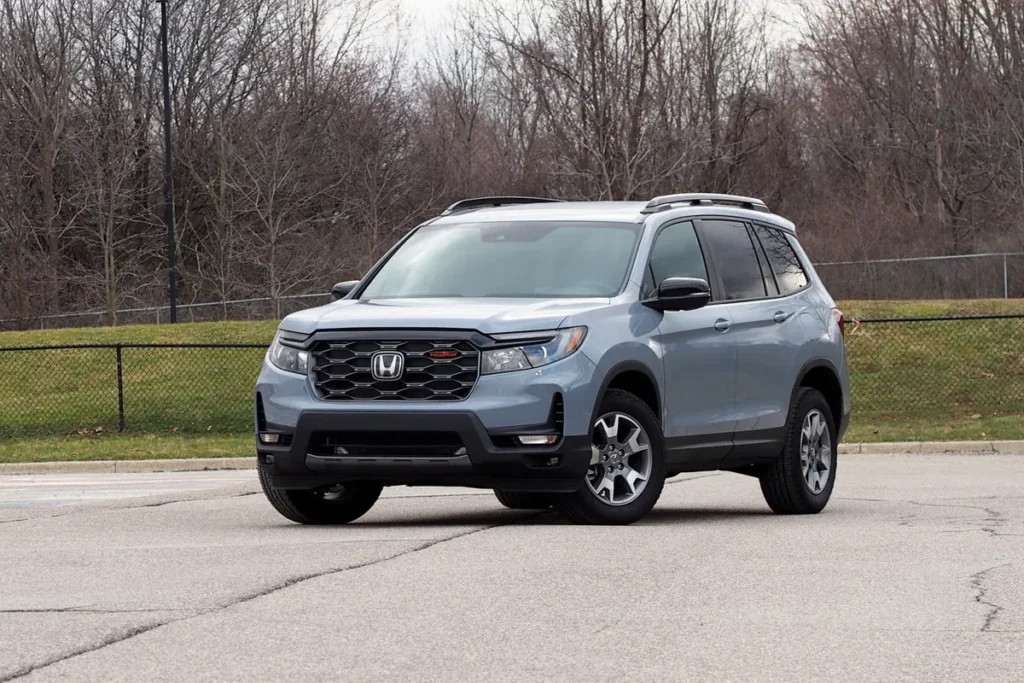
Pricing starts near $46,000, which is higher than some competitors, but AWD is widely available and towing capacity is a solid 5,000 pounds.
Fuel economy is average. It’s not recommended if you want cutting-edge infotainment graphics or a luxury feel, but for durability, space, and straightforward ownership, the Passport is compelling.
Pros: Spacious interior, strong V6
Cons: Higher price, dated infotainment
5. 2026 Nissan Murano
- MSRP: $43,165–$51,295
- Engine Option: 2.0-liter four-cylinder
- Horsepower: 241-HP
- Fuel Economy: 21 mpg City and 27 mpg Highway (EPA Estimated)
The Nissan Murano has long appealed to Edge buyers who value ride comfort above all else. It offers a smooth, quiet driving experience and a comfortable cabin with supportive seats.
Power comes from a 3.5-liter V6 producing 260 horsepower, and pricing starts around $43,000. Interior space is competitive, though cargo volume trails some rivals. The Murano’s design is distinctive, but that can be polarizing.
It’s not recommended for buyers who want the latest powertrain technology or towing capability. Still, for relaxed commuting and highway travel, it remains one of the softer-riding Edge-like SUVs.
Pros: Comfortable ride, V6 standard
Cons: Aging platform, limited performance focus
6. 2026 Kia Sorento
- MSRP: $33,635–$49,035
- Engine Option:2.5-liter inline-four-cylinder
- Horsepower: 191-HP to 281-HP
- Fuel Economy: 23 mpg City and 31 mpg Highway (EPA Estimated)
While often marketed as a three-row SUV, many Sorento buyers use it as a two-row vehicle—and in that configuration, it’s a strong Edge alternative.
The Sorento offers multiple powertrains, including a turbocharged 2.5-liter engine with 281 horsepower. Pricing starts around $33,000.
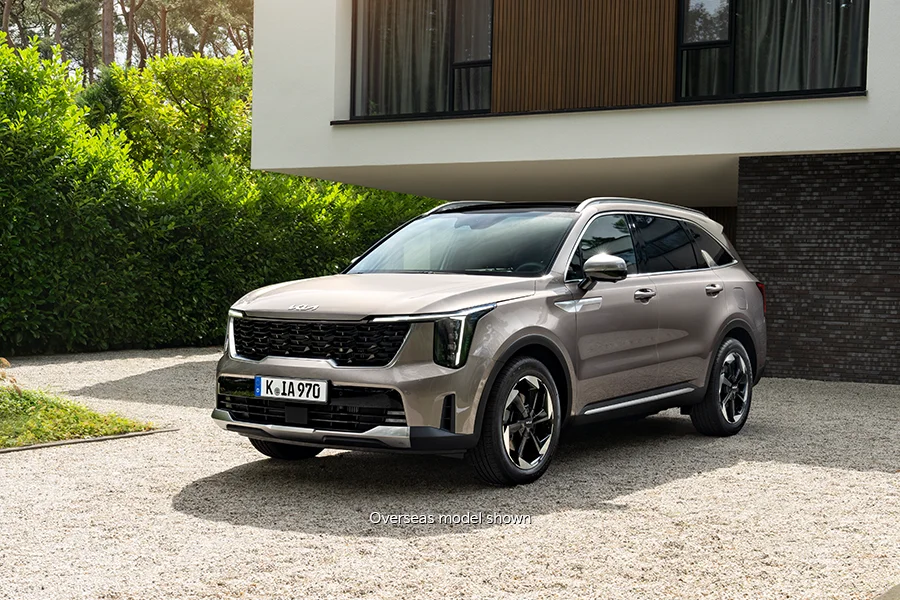
Interior quality is a highlight, and cargo space is flexible with the third row folded. Fuel economy is competitive, and AWD is available.
It’s not recommended if you never want a third-row seat at all—the extra hardware adds complexity—but for buyers who want flexibility without moving to a full-size SUV, the Sorento makes sense.
Pros: Flexible layout, strong turbo engine
Cons: Added complexity, third row rarely used
7. 2026 Volkswagen Atlas Cross Sport
- MSRP: $39,775–$55,095
- Engine Option:2.0-liter inline-four-cylinder
- Horsepower: 269-HP
- Fuel Economy: Not Released
The Atlas Cross Sport is a direct Edge competitor in terms of size and mission. It offers a wide cabin, generous rear-seat space, and a clean, functional interior. Power comes from a 2.0-liter turbocharged engine producing 269 horsepower, and pricing starts near $39,775.
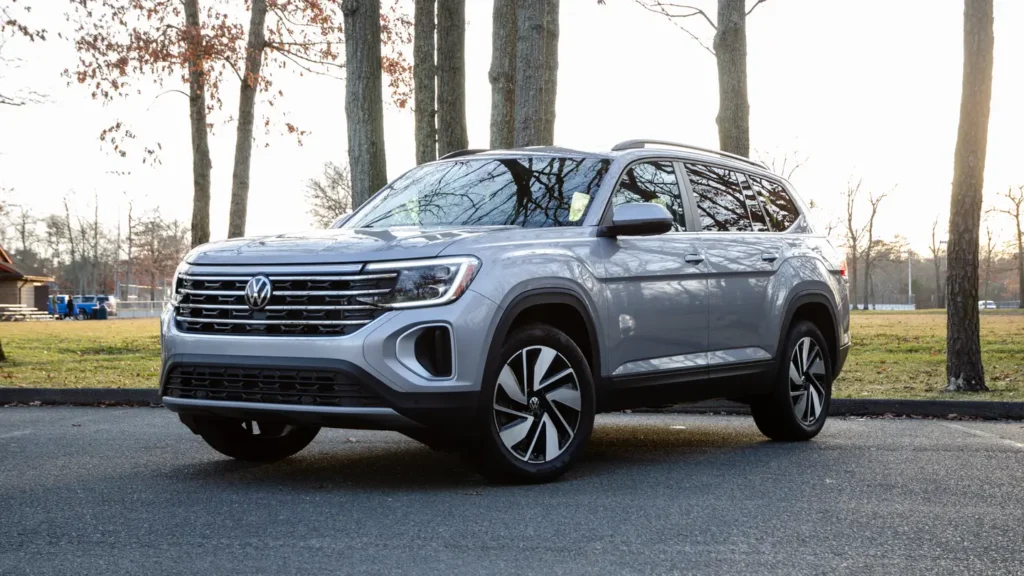
The driving feel is stable and predictable rather than sporty. Fuel economy is average, and interior tech is straightforward. It’s not recommended for buyers who want sharp handling or upscale materials, but for space and simplicity, it closely mirrors what many Edge owners appreciate.
Pros: Spacious interior, straightforward design
Cons: Average fuel economy, less engaging drive
8. 2026 Mazda CX-70
- MSRP: $43,780–$58,200
- Engine Option:3.3-liter inline-six engine
- Horsepower: 280-HP to 340-P
- Fuel Economy: 23 MPG City and 28 MPG Highway
The Mazda CX-70 represents a more premium interpretation of the Edge formula. It focuses on refined driving dynamics, upscale interior materials, and strong turbocharged engines. Pricing is expected to start around $43,780, with power outputs ranging from 280 to over 300 horsepower, depending on configuration.
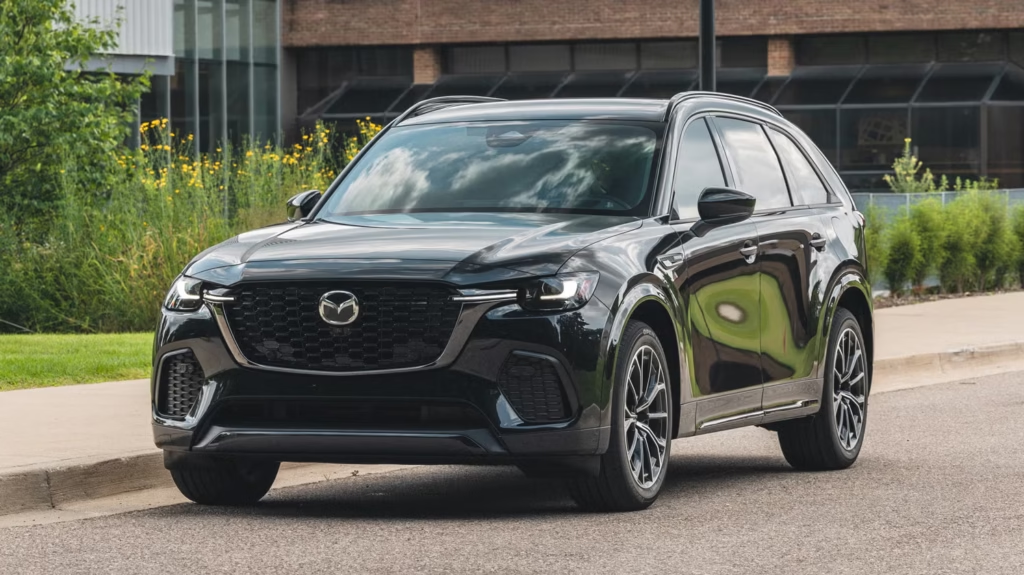
The CX-70 is quieter and more engaging to drive than many mainstream competitors. However, it’s not recommended for budget-focused buyers or those who want maximum cargo height. It’s best suited for Edge owners who want to move slightly upmarket without entering luxury-brand territory.
Pros: Refined drive, premium interior
Cons: Higher price, smaller cargo opening
Frequently asked questions
Is a compact SUV a good Edge replacement?
Usually not. Most compacts feel smaller in width and ride quality.
Do I need AWD?
Only if you regularly drive in snow or poor conditions.
Which option is best for highway driving?
Venza and Murano excel in quiet, smooth cruising.
Conclusion
Replacing a Ford Edge doesn’t mean starting over—it means finding a vehicle that delivers the same balance of comfort, space, and everyday confidence.
Whether you prioritize efficiency, performance, or refinement, the options above offer credible alternatives without forcing you into a larger or more expensive SUV. The key is matching the vehicle’s strengths to how you actually drive.