The way people listen to music in cars has changed more in the last decade than in the previous thirty years combined. Streaming platforms, wireless connections, and app-based ecosystems have taken over dashboards that once relied on buttons, discs, and physical controls.
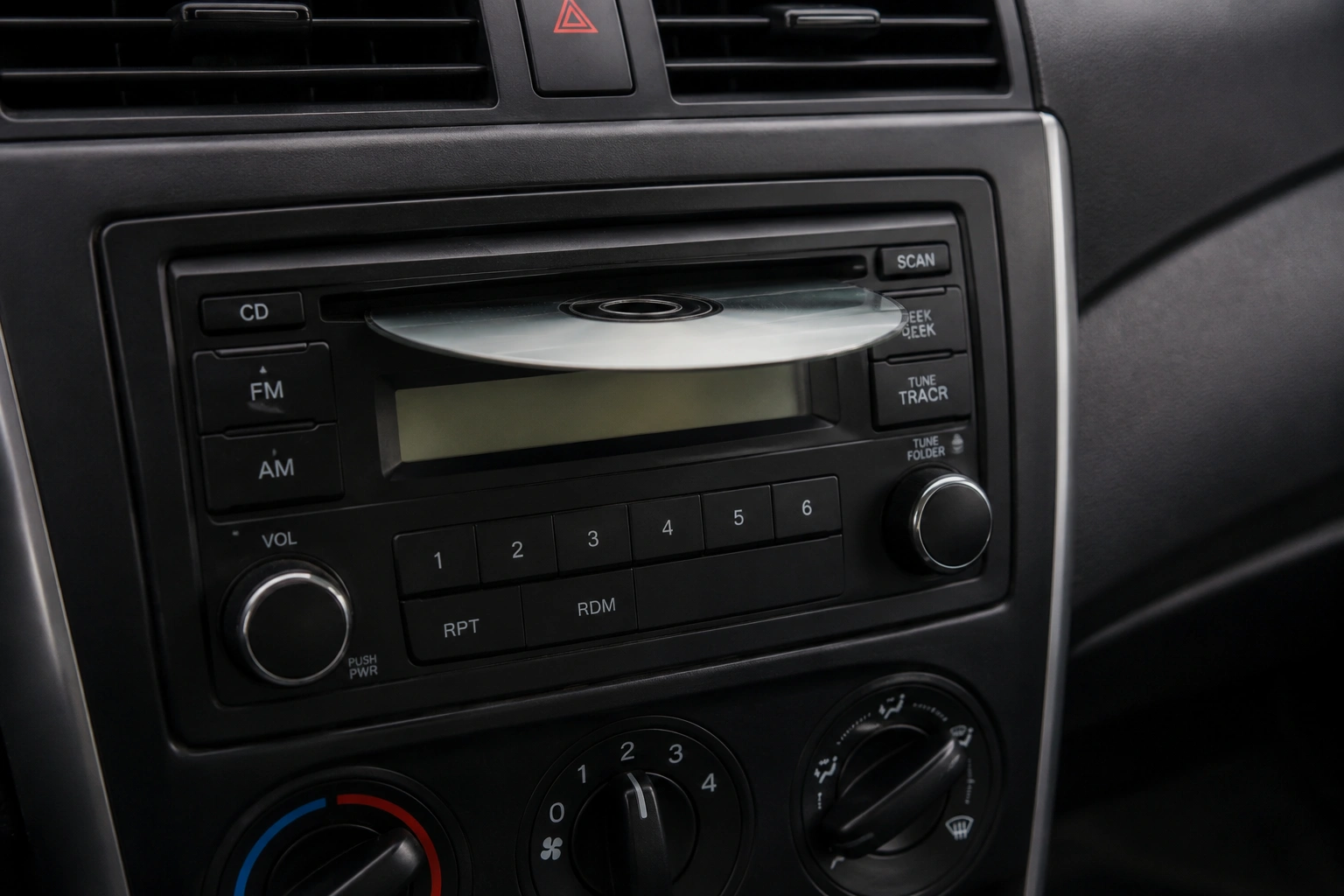
Among the features that quietly faded away, CD players stand out the most. They were once standard in almost every vehicle, from entry-level hatchbacks to premium sedans.
Even today, there is still a group of drivers who prefer CDs for reasons that go beyond nostalgia. Physical media offers consistency.
There is no buffering, no data usage, and no dependency on software updates. A disc works the same way every time it is used, which brings a level of reliability that digital systems sometimes lack.
By 2026, the landscape has changed dramatically. CD players have nearly disappeared from new cars, and only one model still offers the feature in any form.
The shift is clear, but the interest has not completely vanished. That contrast makes this topic more relevant than it might seem at first glance.
Note
This content is based on recent automotive news updates, feature analysis, and manufacturer information to ensure accuracy about the current status of CD players in new vehicles.
Key insights were referenced from platforms like CarBuzz and The Drive, which highlighted the final remaining models offering CD support, along with verification from official brand sources such as Subaru for feature availability.
Why CD Players Have Almost Disappeared From Modern Cars
Shift Toward Connected Technology And Streaming
Car interiors today are built around connectivity. Large touchscreens, wireless smartphone integration, and voice-based controls have become central to how drivers interact with their vehicles. Music is now just one part of a broader digital ecosystem that includes navigation, messaging, and real-time updates.
Streaming services have played a major role in this shift. Instead of carrying physical discs, drivers now have access to entire libraries of music through apps. Playlists can be updated instantly, and new songs are always available without needing to buy or store anything physically.
Manufacturers have adapted quickly to this change. Instead of designing systems around media playback, they now focus on software platforms. These systems are easier to update and align better with current user habits. As a result, older technologies like CD players have gradually been removed to make space for newer features.
For most buyers, this transition feels natural. For others, it marks the loss of a familiar and dependable feature that once defined the in-car music experience.
Design Simplicity And Changing Priorities
Modern car interiors aim for a clean and minimal look. Large screens, fewer buttons, and smooth surfaces are now common across most segments. Removing CD players helps achieve this design language by eliminating the need for disc slots and additional hardware.
There is also a practical side to this decision. CD mechanisms require space, wiring, and internal components that add complexity. With fewer people using them, manufacturers see little reason to continue including such systems.
Another factor is usage data. Automakers track how often features are used, and CD players have seen a steady decline. When a feature is rarely used, it becomes difficult to justify its presence in new models.
These changes are not sudden but part of a gradual shift. Over time, CD players moved from standard equipment to optional features, and now to near extinction. What remains is more of an exception than a category.
The Last Remaining Option In 2026
Subaru WRX And Its Optional CD Player Setup
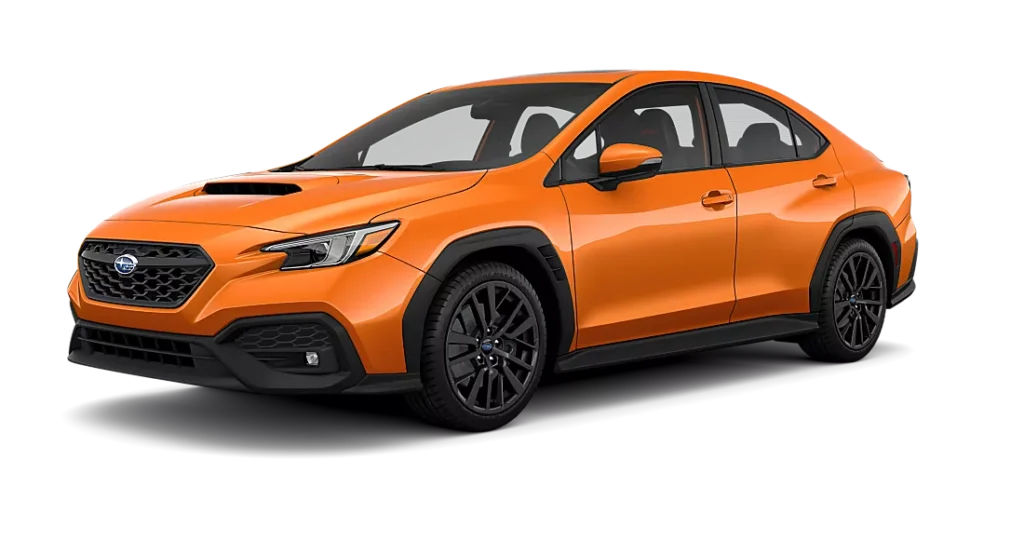
As of 2026, the Subaru WRX holds a unique position. It is the only new car that still offers a CD player, and even here, the setup is different from what people remember. Instead of being built into the dashboard, the CD player is available as an optional accessory that fits into the center console.
This approach reflects the current reality of the market. The feature is no longer part of the core design but is still available for those who specifically want it. It feels less like a standard component and more like a custom addition.
The WRX itself is known for its turbocharged engine and all-wheel-drive system. It has always focused on performance and practicality rather than luxury. The presence of a CD player does not define the car, but it adds a layer of flexibility for a niche group of buyers.
This setup also highlights how far the industry has moved. The fact that the last remaining CD player is now an accessory rather than a built-in feature says a lot about current priorities in automotive design.
Models That Recently Phased Out CD Players
A Quiet Exit Across Multiple Segments
Until recently, a few models still carried CD players as part of their infotainment systems. Vehicles like the Subaru Outback and certain Lexus models were among the last to keep the feature alive.
However, redesigns and updates have removed these systems entirely. Newer versions focus on larger displays, improved connectivity, and simplified layouts. CD players did not fit into this new direction, and they were quietly dropped without much attention.
This change happened across different segments, from mainstream vehicles to premium models. It was not limited to one brand or category. Instead, it reflected a broader shift in how cars are designed and used.
For buyers who were not actively looking for CD players, the change may have gone unnoticed. For those who relied on them, it marked the end of an era.
Why No Manufacturer Is Bringing It Back
Once a feature disappears across the industry, it rarely returns. CD players fall into this category. The demand is too small, and the focus has moved toward digital solutions that offer more flexibility.
Manufacturers are investing heavily in software, connectivity, and electric vehicle technology. These areas define the future of the industry, leaving little room for older features that no longer align with current trends.
There is also a generational shift in how people consume music. Younger drivers are more likely to use streaming services and may never have used a CD player at all. This further reduces the incentive to bring the feature back.
As a result, CD players are unlikely to return in future models. What remains today is simply the last stage before complete disappearance.
Practical Ways To Keep Using CDs In Modern Cars
External Devices And Simple Workarounds
Even though built-in CD players are almost gone, there are still ways to use CDs in newer vehicles. External CD players that connect through USB or auxiliary inputs have become a common solution.
These devices are easy to set up and do not require major modifications. They allow users to continue using their existing music collection without relying on outdated factory hardware.
Another option is converting CDs into digital files. This process allows music to be stored on USB drives or smartphones while preserving sound quality. Many modern systems support high-quality formats, making this a practical alternative.
These solutions may not feel exactly the same as built-in systems, but they offer a way to keep CDs relevant in a digital environment.
Finding Balance Between Old And New
The shift toward digital systems does not mean abandoning traditional formats completely. It is possible to combine both approaches in a way that suits individual preferences.
Streaming services offer convenience and variety, while CDs provide consistency and a personal connection to music. Using both allows for flexibility without relying entirely on one method.
Modern infotainment systems are designed to support multiple inputs, making it easier to integrate different sources. This makes it possible to enjoy older collections while still benefiting from new technology.
The key is to adapt rather than replace. By finding a balance, drivers can continue to enjoy their music in a way that feels familiar while still taking advantage of modern features.
Final Thoughts
CD players have reached a point where they are no longer part of mainstream automotive design. What once defined in-car entertainment has been replaced by systems that focus on connectivity and convenience.
The Subaru WRX stands as the final link to that earlier era, offering a CD player as an optional feature rather than a standard component. Beyond that, the industry has moved on.
For those who still value CDs, the options are limited but not gone. External devices and digital conversion provide practical alternatives that keep physical media usable.
The change reflects a broader shift in how people interact with technology. While the format may fade, the experience it offered continues in different forms, shaped by new tools and evolving preferences.